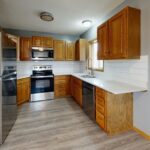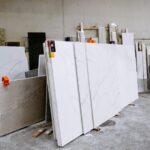
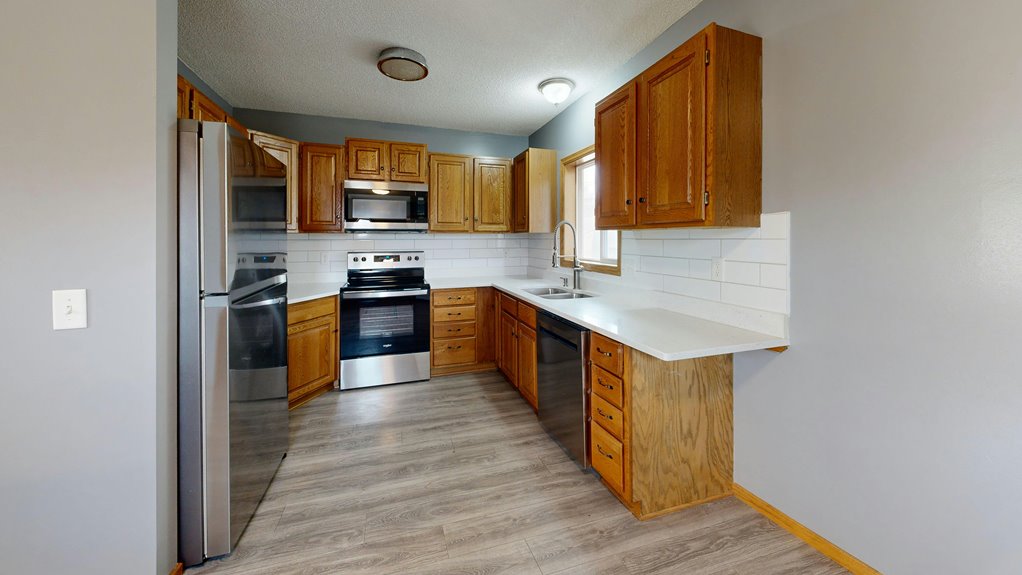
Cabinets dominate your kitchen remodel budget, typically consuming 30–50% of total costs. You’ll spend $150,000–$500,000+ on custom cabinetry alone, while stock options run $20,000–$50,000. Material choices matter: solid hardwood costs significantly more than particleboard or MDF. Add soft-close hinges ($15–$40 each), premium finishes, and custom hardware, and expenses climb quickly.
Your cabinet decisions then cascade, shrinking funds for countertops, appliances, and backsplashes. Understanding these cost drivers reveals strategies to stretch your budget further.
Cabinets Dominate Kitchen Remodel Budgets: Here’s Why
Why do cabinets consume so much of your kitchen remodel budget? Custom cabinetry typically represents 30-50% of total project costs. You’re investing in storage solutions that define your kitchen’s appearance and functionality.
Custom cabinetry typically represents 30-50% of kitchen remodel costs, defining your space’s appearance and functionality.
High-end materials drive significant budget impact. Solid wood cabinets cost more than engineered options. Door styles, finishes, and hardware selections increase expenses further.
Cabinet choices cascade through your entire project. Once you select custom cabinetry, remaining funds allocated to countertops, backsplash, and lighting shrink considerably. Installation costs increase when floor plan changes are necessary.
Your cabinet decision establishes the foundation for your kitchen’s look and feel. Quality cabinetry provides lasting durability and storage capacity. Understanding this expense helps you allocate resources strategically across your entire remodel.
How Cabinet Customization Drives Kitchen Remodel Costs
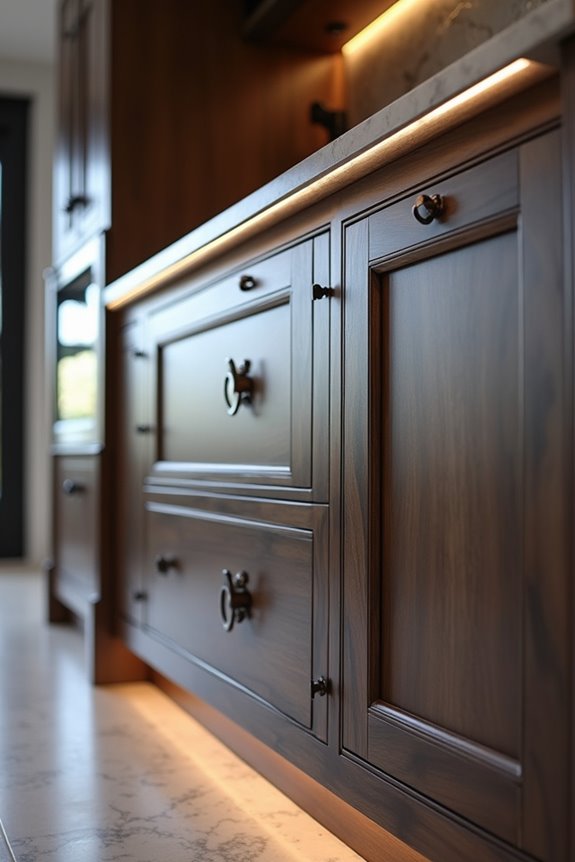
Understanding what makes cabinets expensive goes beyond their basic role in your kitchen. Cabinet customization affects your project’s budget significantly. You’re investing in three main areas: premium materials, intricate fabrication, and precision fitting.
Your wood species choice matters. Solid hardwoods cost more than veneers. Door styles—from shaker to glass-front designs—add expense quickly. Interior organizers and pull-out systems increase functionality and price.
High-end cabinetry reflects meticulous craftsmanship. Non-standard layouts demand exacting measurements and custom fabrication. You’re paying for cabinets built specifically for your space, not mass-produced alternatives.
When you select custom cabinetry, you’re choosing durability and design consistency. This investment typically ranges from $150,000 to $500,000+ for standard kitchens. Your customization decisions directly determine your final cost.
What Else Costs Money: Countertops, Appliances, and Structural Work
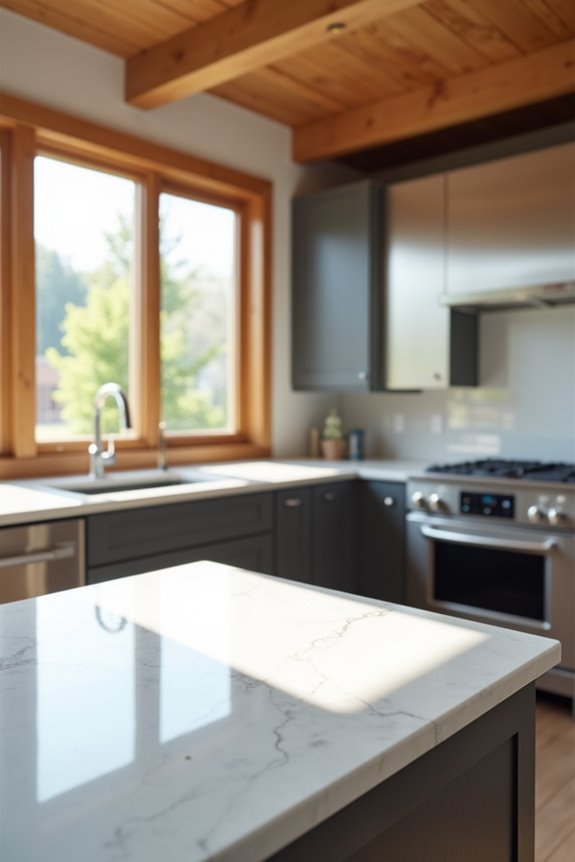
Beyond cabinets, you’ll encounter three major cost drivers: countertop materials like quartz and granite, high-end appliances, and structural changes. Your countertop choice matters most—quartz runs markedly higher than laminate, while moving walls or plumbing requires permits and skilled labor. Smart appliances and premium models can rival or even exceed countertop expenses depending on your project’s scope and your region’s labor rates.
Countertop Material Selection
After you’ve chosen your cabinetry and appliances, countertops become your third major budget consideration. Your countertop material choice significantly impacts your overall kitchen remodel cost and long-term value.
Key material considerations:
- Premium quartz countertops like Cambria or Caesarstone increase budgets due to material and installation complexity
- Stone surfaces require specialized installation, substrate preparation, and seam handling that adds labor costs
- Edge profiles, sink cutouts, and backsplash coordination amplify expenses beyond base material pricing
Your countertop material must complement your cabinetry for both aesthetics and durability. Stone options demand expert installation expertise. Designer-grade quartz countertops offer superior performance but require careful budget allocation. Understanding these material demands helps you make informed decisions that protect your investment and support your kitchen’s long-term functionality and resale impact.
Appliances And Structural Changes
What’s driving your kitchen remodel’s biggest expenses beyond cabinetry and countertops? Two major cost categories emerge: appliances and structural changes.
High-end appliances significantly impact your budget. Premium refrigerators, ranges, and smart devices cost substantially more than standard models. You’re investing in quality and features that matter daily.
Structural changes require permits and skilled trades, increasing costs considerably. Moving walls, rerouting plumbing, upgrading electrical systems, and modifying ventilation demand professional expertise. These projects aren’t optional—building codes require them.
Trades coordination multiplies labor costs. Scheduling appliance installers, plumbers, electricians, and HVAC specialists creates complexity. Each trade needs site access and protection measures. Installation intricacies demand precision.
Combined impact: new appliances plus necessary structural work plus premium materials often determines your remodel’s upper price range. Plan accordingly.
Why Layout Changes Spike Kitchen Remodel Costs
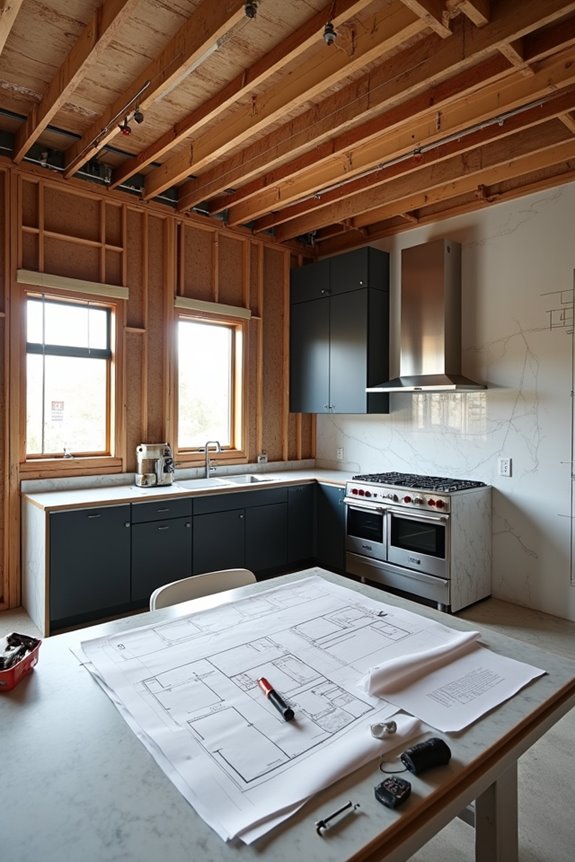
Why do kitchen layouts cost so much to change?
Layout changes trigger cascading expenses across permits, structural work, and multi-trade coordination that compound throughout your project.
Layout changes trigger cascading expenses you’ll encounter throughout your project. When you move walls or reconfigure spaces, you’re not simply rearranging furniture—you’re modifying your entire kitchen’s infrastructure.
Hidden costs compound quickly:
- Permits and inspections: Permits, electrical work, and plumbing relocations require official approvals and inspections before proceeding
- Structural modifications: Load-bearing wall adjustments demand engineering assessments and structural work beyond basic demolition
- Cabinet and fixture adjustments: Cabinet fabrication, new cutouts, and custom fittings increase labor and material expenses considerably
Your coordination demands multiply across trades. Electricians, plumbers, and carpenters must schedule sequentially, extending timelines and raising hourly costs. Custom tiling and flooring around new configurations demand precise measurements and installation expertise.
Early design confirmation prevents costly mid-project revisions. Establishing your final layout before construction begins protects your budget substantially.
Cabinet Materials and Styles: Cost Ranges From Budget to Premium
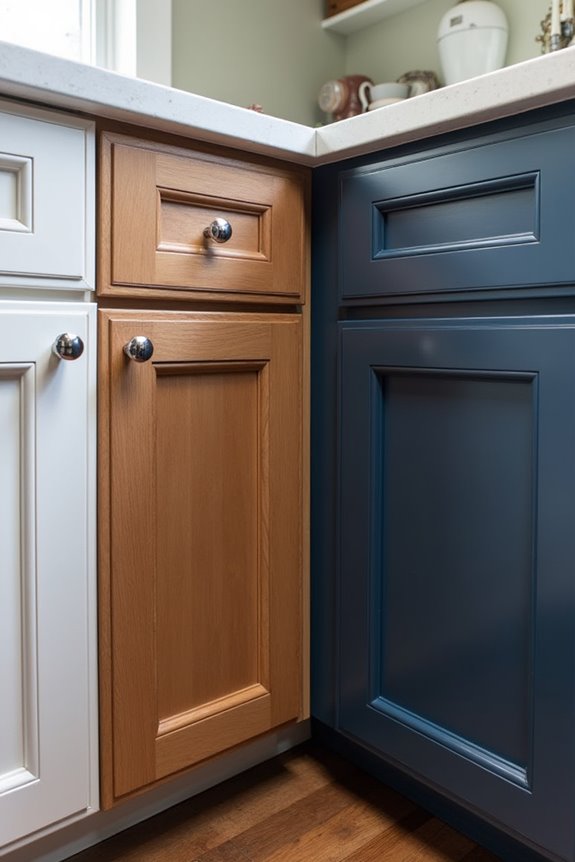
When selecting cabinets, you’ll choose between stock options (pre-made, lowest cost), semi-custom designs (moderate pricing with some customization), or fully custom builds (highest expense). Your material choice—solid hardwood like oak or maple versus budget-friendly particleboard or MDF—directly affects both price and durability. Hardware upgrades, finishes, and design details like soft-close hinges, raised panels, or glass fronts can substantially increase your total cabinet investment.
Stock vs. Semi-Custom Options
How much control do you want over your cabinet design while managing your budget?
You’re balancing three main cabinetry options: stock, semi-custom, and custom. Stock cabinets cost the least but offer minimal design flexibility. Semi-custom cabinetry gives you more control while keeping costs reasonable. Custom options provide complete personalization but significantly increase your budget.
Consider these distinctions:
- Stock cabinets: Pre-made, limited sizes, lowest cost, fastest delivery
- Semi-custom: Modified designs, moderate pricing, wider material choices
- Custom cabinetry: Fully tailored, premium cost, maximum personalization
Materials heavily influence your final expense. Solid hardwood doors cost more than particleboard or MDF. Premium finishes and hardware further raise semi-custom and custom pricing.
Your choice directly impacts your total kitchen remodel budget. Stock or semi-custom options help you control cabinet costs effectively while still achieving quality craftsmanship and design appeal.
Wood Types and Finishes
Once you’ve narrowed down your cabinet style—stock, semi-custom, or custom—the materials you choose become your next major budget driver. Solid hardwoods like oak and maple cost significantly more than particleboard or MDF. You’re investing in longevity and visual appeal when selecting premium cabinet materials.
Finishes and hardware add to your budget. Soft-close hinges, luxury hardware, and high-end finishes add incremental costs quickly. Custom cabinetry ranges from $150,000 to $500,000+ for standard kitchens, reflecting superior craftsmanship and material quality.
Your wood selection directly impacts your kitchen’s design tone. Premium choices require more skilled labor and influence decisions about countertops, trim, and lighting. Understanding these material trade-offs helps you allocate your remodel budget strategically and achieve your desired aesthetic cohesively.
Hardware and Design Details
What you choose for cabinet hardware—handles, knobs, hinges, and pulls—directly impacts both cost and functionality. Your selections affect how cabinets function as kitchen features.
Key hardware investments include:
- Soft-close hinges that prevent slamming and extend cabinet lifespan
- Luxury handles crafted from brass, leather, or designer materials
- Premium drawer slides for smooth operation
High-end hardware costs range from $50 to $300 per piece. Soft-close hinges alone add $15-$40 each across multiple cabinets. Designer details like integrated lighting or custom finishes increase expenses.
Cabinet finishes—matte, glossy, or textured—also affect pricing. Your hardware choices indicate quality and durability. Investing in reliable mechanisms prevents future repairs and maintains your kitchen’s appearance over time.
Premium Cabinets vs. Budget Options: Where Your Dollar Matters Most
Why do cabinets consume nearly 30% of kitchen remodel budgets? Material choice drives the difference. Premium cabinets use solid hardwoods like oak or maple, while budget options rely on particleboard. You’ll pay $150,000–$500,000+ for custom cabinetry versus $20,000–$50,000 for stock alternatives.
Semi-custom vs stock cabinets offer distinct trade-offs. Stock cabinets limit design flexibility but reduce kitchen remodel costs significantly. Semi-custom options provide moderate customization without premium pricing.
Finishes and hardware matter substantially. Soft-close hinges, luxury pulls, and high-end veneers increase cabinetry costs. Your choice here determines both appearance and durability.
Consider your priorities: design flexibility or budget preservation. Pairing affordable stock cabinets with coordinated countertops and backsplashes achieves strong aesthetics while controlling overall kitchen remodel costs effectively.
Smart Ways to Reduce Cabinet Expenses Without Cutting Quality
You can reduce cabinet costs without sacrificing quality by making strategic material and design choices.
Smart Material Selections:
- Choose semi-custom cabinets instead of fully custom options to reduce expenses markedly
- Select budget-conscious cabinetry using MDF or quality particleboard rather than solid hardwoods
- Opt for simple cabinet door styles without elaborate detailing or complex layouts
Cost-Effective Hardware Finishes:
Swap premium hardware finishes for standard options. Soft-close hinges remain durable without premium pricing. This approach maintains functionality while lowering cabinet costs appreciably.
Design Simplification:
Limiting customization directly reduces expenses. Stick to standard dimensions and straightforward cabinet configurations. Avoid bespoke interiors that drive wood type expenses upward.
Strategic Pairing:
Combine mid-range cabinetry with cost-conscious countertops and backsplash materials. This balance preserves your kitchen’s visual appeal while keeping overall spending modest and manageable.