
You’re reclaiming hidden functionality. Modern homeowners are rediscovering sculleries to hide dishwashing mess, store bulk appliances, and preserve pristine main kitchens for entertaining. This practical separation—rooted in pre-plumbing efficiency—now reflects contemporary design sensibilities. You gain overflow workspace, hidden clutter, and streamlined hosting without sacrificing style. Designer-forward interpretations balance old-world function with modern convenience. Whether you’re implementing full scullery design or compact alternatives like utility rooms, specific strategies can improve your kitchen workflow.
What Exactly Is a Scullery Kitchen?
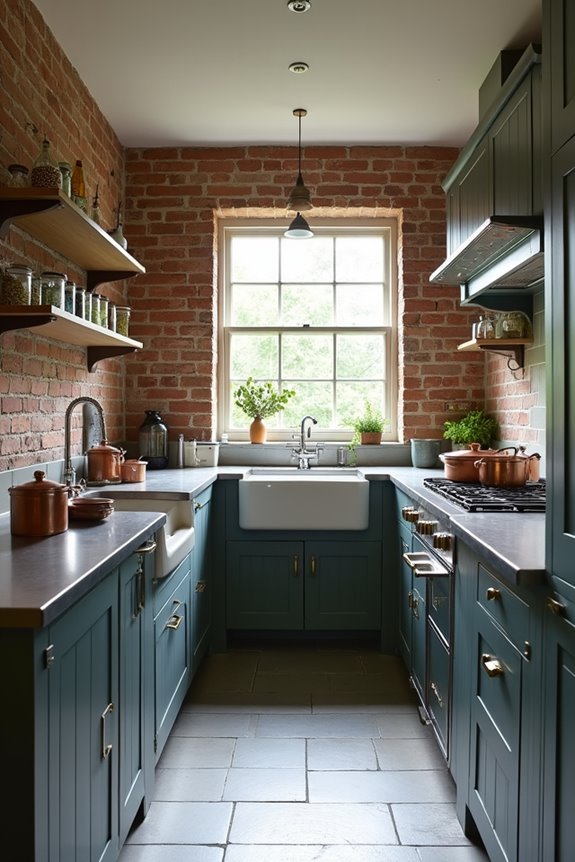
A scullery kitchen is a practical, separate cleaning space located off your main kitchen. You’ll find it equipped with oversized sinks, storage shelves, and plate racks designed for efficiency. This dedicated area keeps your primary kitchen organized and presentable.
Historically, sculleries served an important purpose. Before modern plumbing existed, you’d use this space to wash pots, store large serving dishes, and handle laundry. The term derives from the Latin word scutella, meaning tray or platter.
Before modern plumbing, sculleries provided essential space for washing pots, storing dishes, and handling laundry in historic homes.
In scullery kitchens, you perform cleaning tasks away from food preparation. This separation maintained hygiene standards in large homes. Scullery maids, the lowest-paid kitchen workers, managed these demanding responsibilities.
Today’s scullery kitchen functions differently. You gain an overflow space that hides dirty dishes and less-used appliances. Modern sculleries provide secondary prep areas, maintaining your main kitchen’s tidiness and visual appeal.
From Necessity to Luxury: The Historical Journey of Sculleries
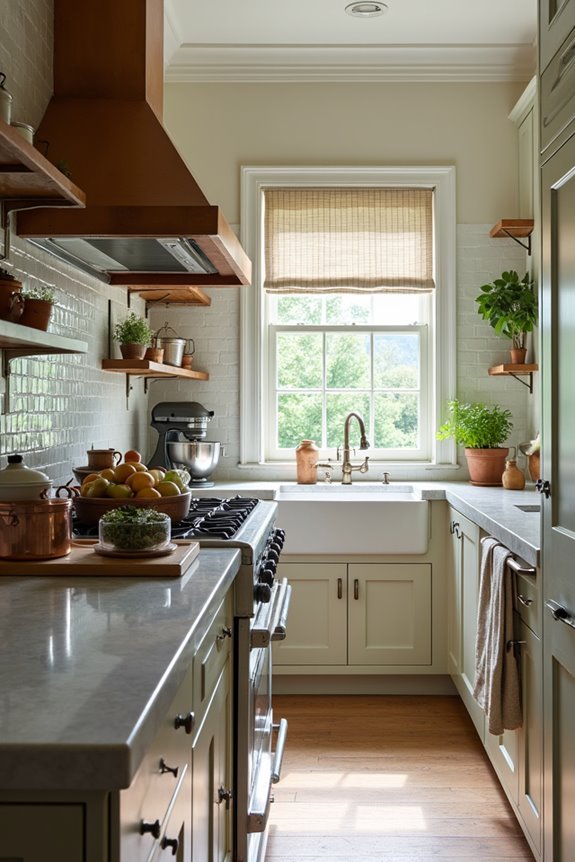
You’ll learn how sculleries changed from purely functional spaces into valued design features. The invention of modern plumbing eliminated the practical need for separate washing areas, yet today’s homeowners are reclaiming this concept for extra prep space and storage. This shift shows how necessity-driven designs can become luxury choices that address modern kitchen needs.
Practical Necessity To Luxury
How’d sculleries transform from practical workspaces into sought-after design features? Your ancestors needed them out of pure necessity. Limited plumbing meant dirty cleaning tasks couldn’t happen near food preparation areas. Oversized sinks, plate racks, and laundry tubs filled these functional spaces.
Once modern plumbing arrived by the 1930s, sculleries disappeared from most homes. Why keep a separate room you didn’t need?
Today’s homeowners are reclaiming sculleries differently. You’re not washing dishes out of necessity—you’re choosing to hide appliances and offload work from main kitchens. This shift reflects evolving priorities: organization, functionality, and visual control matter more than ever.
Contemporary sculleries represent lifestyle choices rather than survival requirements, functioning as overflow kitchens that align with modern design sensibilities.
Plumbing’s Role In Evolution
When did your home’s plumbing system become reliable enough to change kitchen design forever? Before the 1930s, you needed a separate scullery because kitchens lacked proper drainage. Your scullery housed oversized sinks and storage for washing dishes and cleaning tasks away from food preparation areas.
Modern plumbing changed everything. Direct wastewater systems and integrated drainage eliminated the separation necessity. You no longer required a dedicated scullery room for sanitation work. Kitchens evolved into unified spaces combining cooking and cleaning functions.
Today’s homeowners recognize what previous generations discovered: separation creates efficiency. Contemporary scullery designs integrate modern plumbing into secondary kitchen spaces. You’re reclaiming that historical functionality—but now with reliable infrastructure supporting your choices rather than demanding them.
Modern Interpretations Of Tradition
Modern homeowners aren’t simply copying old sculleries—they’re reimagining them for today’s lifestyle. You’re creating these spaces as multifunctional zones that blend practicality with contemporary design.
Functional Auxiliary Spaces
Your scullery now handles dishwashing, appliance storage, and laundry—tasks that kept the main kitchen uncluttered. This separation maintains workflow efficiency while preserving authenticity through durable materials and utilitarian features.
Design-Forward Entertainment Zones
You’re also converting sculleries into chic home bars and entertaining spaces. DeVOL Kitchen-inspired references emphasize maintaining connected flow with your main kitchen while honoring historical character.
The Integration Approach
Your design strategy balances old-world functionality with modern convenience. Rather than abandoning tradition, you’re adapting it. This approach creates spaces that feel both purposeful and refined—addressing genuine household needs while celebrating heritage craftsmanship.
Why Modern Homeowners Are Rediscovering the Scullery?
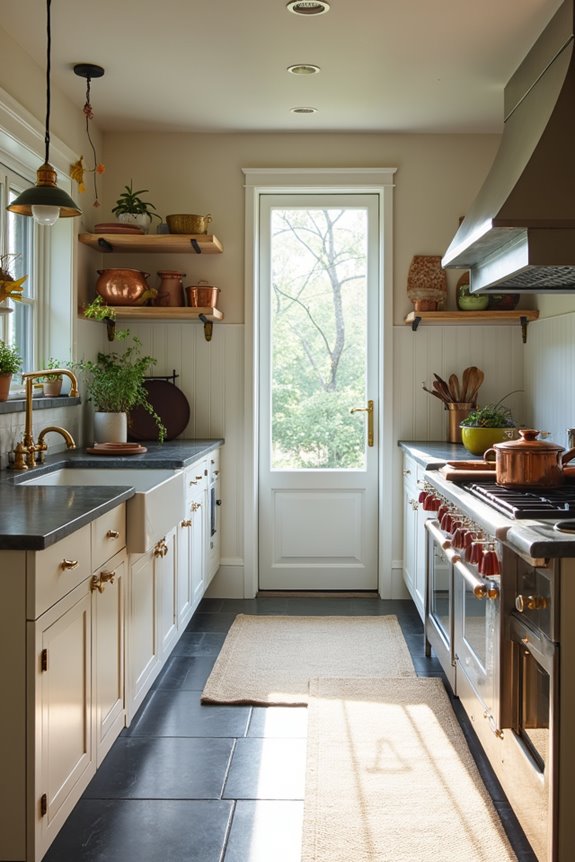
You’re rediscovering the scullery because it solves three core problems: hidden storage keeps clutter behind closed doors, a separate workspace maintains your main kitchen’s clean appearance, and a dedicated area streamlines entertaining. Instead of juggling dirty dishes during dinner parties, you prep and serve from a secondary kitchen while guests enjoy an uncluttered space. This practical separation lets you maximize both functionality and the polished aesthetic modern homes demand.
Hidden Storage and Organization
Perhaps the biggest reason homeowners are embracing sculleries today is simple: they want their main kitchens to look pristine.
A scullery offers you hidden storage and organization that keeps clutter out of sight. You’ll find extra shelves, dedicated worktops, and secondary sinks tucked away. This setup lets you hide dirty dishes and messy prep work completely.
The Organization Advantage
You separate your public kitchen from your working kitchen. Guests see only a clean, polished space. Meanwhile, you store appliances, cookware, and supplies in your scullery. Designers point out this practical division: it reduces chaos considerably.
Real-World Benefits
You handle dishwashing efficiently away from entertaining areas. You prep meals without creating visual mess. Your main kitchen remains clean and ready while you work productively behind the scenes. This hidden storage system makes your home feel organized and welcoming.
Maintaining a Spotless Kitchen
Homeowners constantly struggle with keeping their main kitchens clean during meal prep and entertaining. A scullery solves this challenge by separating messy tasks from your primary cooking space.
When you use a dedicated scullery, you hide dirty dishes and cooking debris behind closed doors. Your main kitchen stays clean for guests and daily life. Oversized sinks in the scullery handle dishwashing without cluttering your primary counter space.
Designer Strategy: Focus messy work elsewhere. Store appliances, pots, and cleaning supplies in your scullery instead of your main kitchen. This keeps your entertaining space organized and presentable.
The result: you maintain a clean, functional kitchen while handling necessary kitchen tasks privately. Your scullery absorbs the visual clutter, preserving the neat appearance you want displayed.
Functional Entertainment and Entertaining
What’s stopping you from hosting with confidence? A scullery keeps your entertaining experience organized. You hide messy prep work, dirty dishes, and appliance clutter away from guests. Your main kitchen stays clean for socializing.
Design your scullery strategically: include oversized sinks for efficient dishwashing, ample storage for serving pieces, and open shelving for quick access. These features minimize disruption during gatherings.
Modern sculleries support organized hosting. You prep food out of sight. You manage laundry tasks elsewhere. Your guests enjoy a clean entertaining space.
Consider converting your scullery into a secondary kitchen or chic home bar. This layout maintains flow with your main kitchen while keeping work hidden. You’ll entertain with confidence, knowing your functional workspace supports every gathering.
Scullery vs. Butler’s Pantry: Which Do You Need?
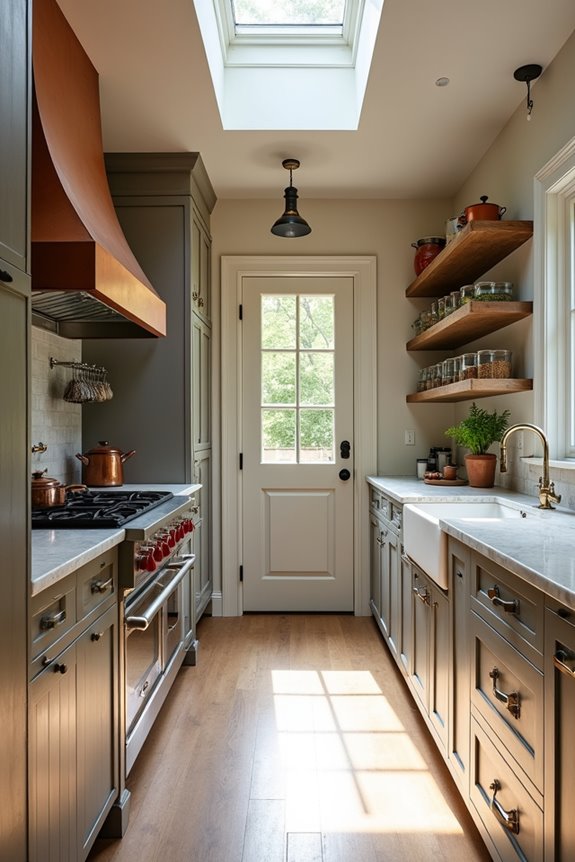
Both spaces address kitchen challenges, but they’re built for different purposes. Your choice depends on your household’s priorities.
Key differences:
- Sculleries hide messy dishwashing and prep work away from guests
- Butler’s pantries showcase fine china and streamline serving
- Sculleries feature oversized sinks and heavy-duty storage shelves
- Butler’s pantries emphasize elegant cabinetry and display zones
- Sculleries reduce main kitchen clutter significantly
Choose a scullery if workflow efficiency and sanitation separation matter most. Pick a butler’s pantry if entertaining and presentation drive your priorities. Many homeowners are choosing sculleries because they streamline daily cooking tasks. You’ll benefit from a hidden workspace that keeps your primary kitchen clean and organized.
The Real Benefits: Storage, Workspace, and Main Kitchen Protection
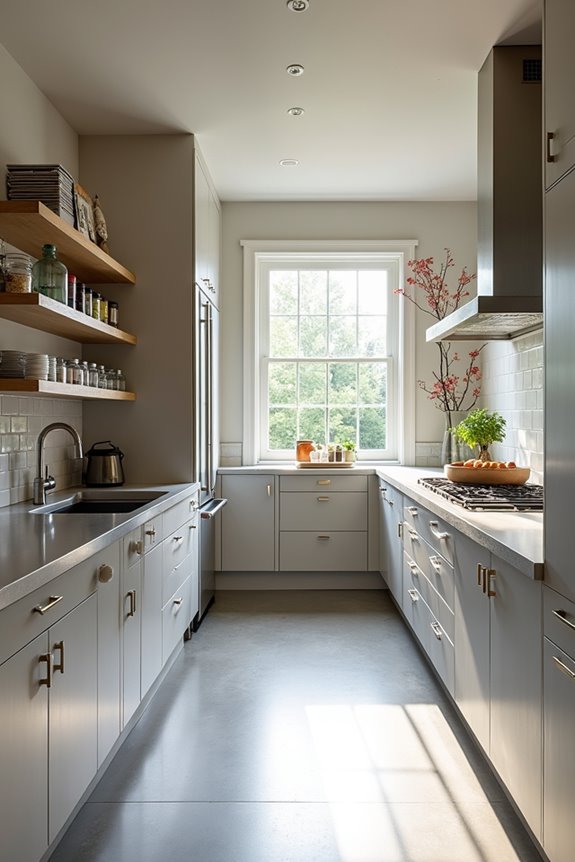
You’ll gain substantial storage by keeping bulk items, seasonal appliances, and prep supplies out of your main kitchen. Your primary cooking space stays clean and organized because messy tasks like dishwashing and pot scrubbing happen behind closed doors. This separation maintains your kitchen’s appearance while supporting efficient workflow between food preparation and cleanup.
Hidden Storage Solutions
Why hide your kitchen’s messiest work behind closed doors? A scullery solves this problem by creating dedicated hidden storage zones.
You’ll benefit from these practical features:
- Deep Belfast sinks for soaking pots without cluttering your main kitchen
- Wall-mounted taps that save counter space and improve efficiency
- Open shelving for organizing everyday appliances out of sight
- Closed cabinetry protecting your pristine kitchen aesthetic from view
- Dedicated pantry storage keeping bulk items and less-frequent tools separate
Your main kitchen stays clean and presentation-ready. Meanwhile, your scullery handles the dirty work—dishwashing, pot storage, and overflow items. This separation maintains two distinct zones: one for entertaining, one for function. The scullery protects your kitchen’s appearance while improving your workflow. It becomes your practical support system.
Maintaining Kitchen Aesthetics
When your main kitchen stays pristine, it becomes a genuine gathering space rather than a workspace. A scullery accomplishes this by hiding dirty dishes and messy prep work behind closed doors.
The Visual Benefit
You’ll notice immediate improvements: countertops remain clear, sinks stay empty, and clutter disappears. During entertaining, visitors see only your polished primary kitchen—not the chaos of cooking.
Design Integration
Your scullery echoes your main kitchen’s style while serving utilitarian purposes. This contrast strengthens overall design consistency. Deep sinks, ample shelving, and dedicated workspace keep everything organized and accessible.
Practical Result
A secondary kitchen lets you work without concern for appearance, while your primary kitchen maintains its refined look for social occasions.
Scullery Design: Layouts, Materials, and Finishes
How you arrange your scullery directly impacts its efficiency and your kitchen’s cleanliness. Strategic placement separates messy tasks from food preparation areas.
Essential scullery design elements:
- Large deep Belfast or brass sinks for heavy-duty washing
- Wall-mounted taps that maximize counter workspace
- Open shelving for accessible storage and quick organization
- Long storage runs along walls for supplies and equipment
- Durable flooring like slate or terracotta for easy cleaning
Location matters significantly. Position your scullery adjacent to the main kitchen, near water sources and laundry areas. This setup optimizes utility access while keeping your primary kitchen tidy.
Material choices reinforce function. Plain tile walls and stone floors create a utilitarian aesthetic that withstands demanding work. These durable surfaces support the scullery’s practical purpose while supporting your household’s workflow efficiency.
Scullery Ideas: 3 Modern Ways to Style and Use Yours
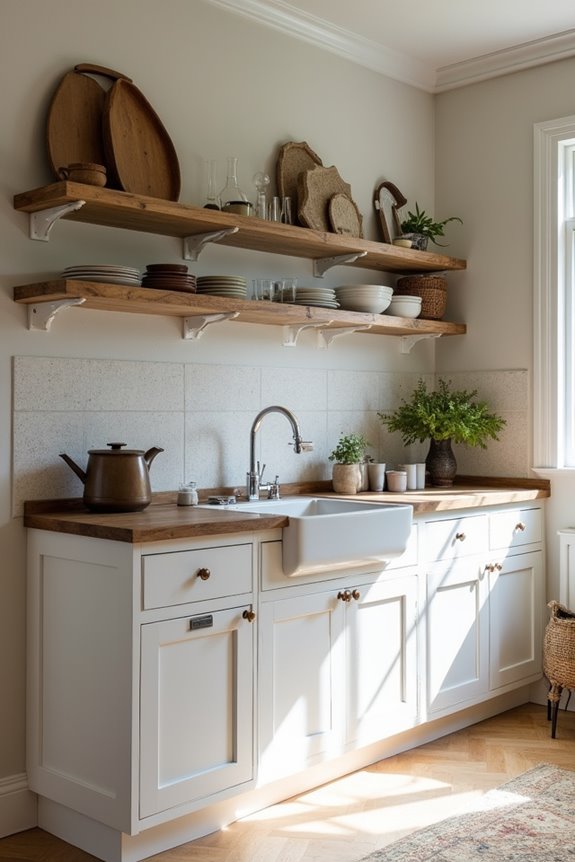
Once you’ve established your scullery’s foundational layout and materials, you can shape it into something uniquely functional for your lifestyle. You’ve got three proven approaches.
Functional Secondary Kitchen: Outfit your scullery with a large deep sink, open shelving, and wall-mounted taps. This setup handles dishwashing and laundry while keeping your main kitchen pristine. Store less-frequently used appliances here.
Chic Home Bar: Convert your scullery into an entertaining space. Install a wine fridge, display glassware on open shelves, and add minimalist fixtures for a polished look.
Blended Utility Zone: Merge traditional scullery function with contemporary design. Combine durable stone or tile surfaces with streamlined storage. This approach minimizes disruption to daily workflows while maintaining visual coherence throughout your home.
No Space for a Scullery? Try These 3 Compact Alternatives
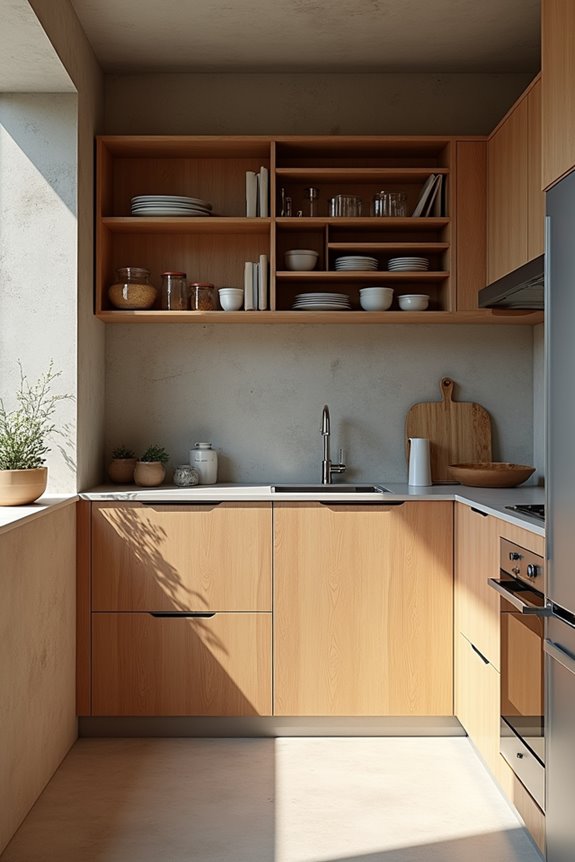
Not every home’s got room for a dedicated scullery, but you shouldn’t sacrifice functionality. You can achieve traditional scullery efficiency in smaller spaces. Consider these practical solutions:
Limited space doesn’t mean sacrificing scullery efficiency—smart design solutions work beautifully in compact homes.
- Butler’s pantry: Acts as a transitional service and storage space
- Utility or mudroom: Houses dishwasher space and sorting zones
- Under-stair cleaning nook: Maximizes unused architectural space
- Durable surfaces: Resist daily wear and moisture damage
- Wall-mounted taps: Save counter real estate
Each option preserves your open kitchen while keeping work hidden. A butler’s pantry maintains tidiness during entertaining by storing supplies separately. Utility rooms organize cleaning supplies and laundry efficiently. These compact designs apply scullery principles through smart storage solutions.
Design with open shelving and functional layouts. You’ll maintain a polished main kitchen. Modern compact alternatives deliver traditional scullery benefits without requiring dedicated square footage.
Budget-Friendly Ways to Add Scullery Functionality
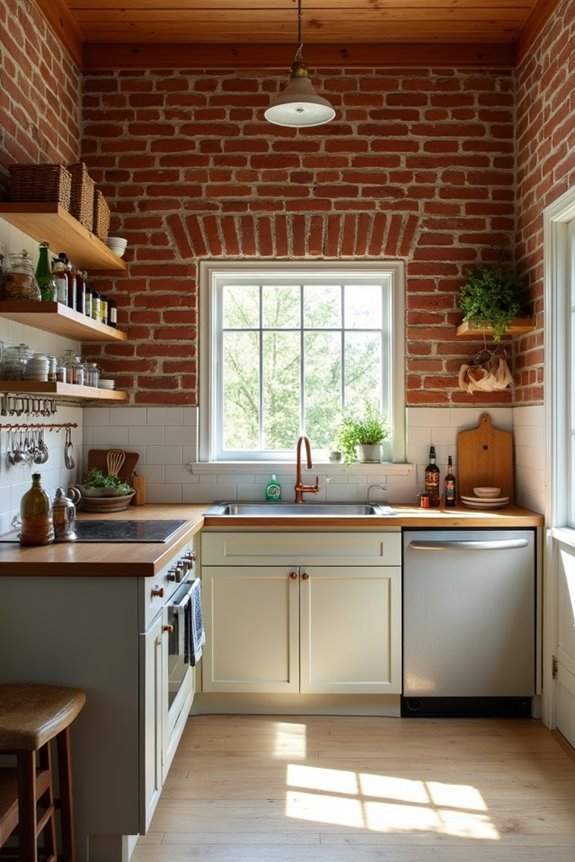
You don’t need thousands of dollars to create scullery functionality in your home. Smart budget choices help existing kitchen spaces work as efficient zones.
| Component | Budget Option | Cost Benefit |
|---|---|---|
| Sink | Secondary stainless steel | $200-400 |
| Shelving | Open metal racks | $100-250 |
| Worktables | Portable folding surfaces | $75-150 |
| Flooring | Vinyl or linoleum | $2-5/sq ft |
| Storage | Pegboard organizers | $50-100 |
Position your scullery near water sources and laundry areas. This placement improves workflow without expensive plumbing work. Install tall cabinets and wall hooks for practical organization. Use laminate countertops and plain tiles for affordable durability. Add fabric skirts around sinks for traditional aesthetics. These choices create functional scullery spaces while respecting your budget.
Next Steps: Planning Your Scullery Addition
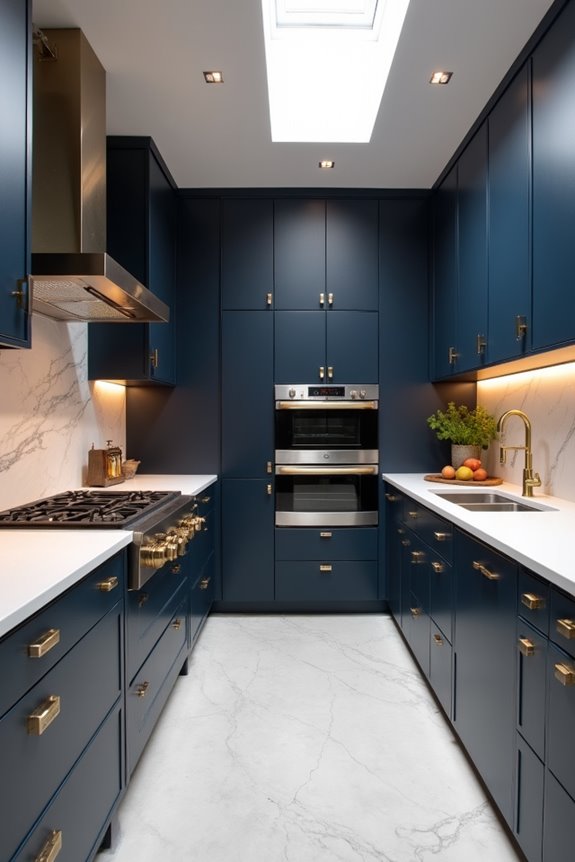
Next Steps: Planning Your Scullery Addition
Before you start any renovation work, create a detailed plan that covers three key areas: location, layout, and design integration.
Consider these essential planning steps:
- Assess your home’s plumbing and water access points
- Measure available space near your main kitchen
- Evaluate storage needs for cleaning supplies and dishes
- Review your budget for materials and installation
- Sketch preliminary layouts with functional zones
Your scullery works best when positioned adjacent to your primary kitchen. This placement minimizes interruption while maximizing workflow efficiency. Designer guidance emphasizes matching your scullery’s aesthetic with existing kitchen styles.
Start by consulting a contractor about plumbing requirements. They’ll identify ideal locations for sinks and drainage. Next, prioritize storage solutions that fit your space constraints. Finally, select finishes and materials that complement your home’s character while maintaining durability and practicality.