
Understand State and Local Legal Constraints
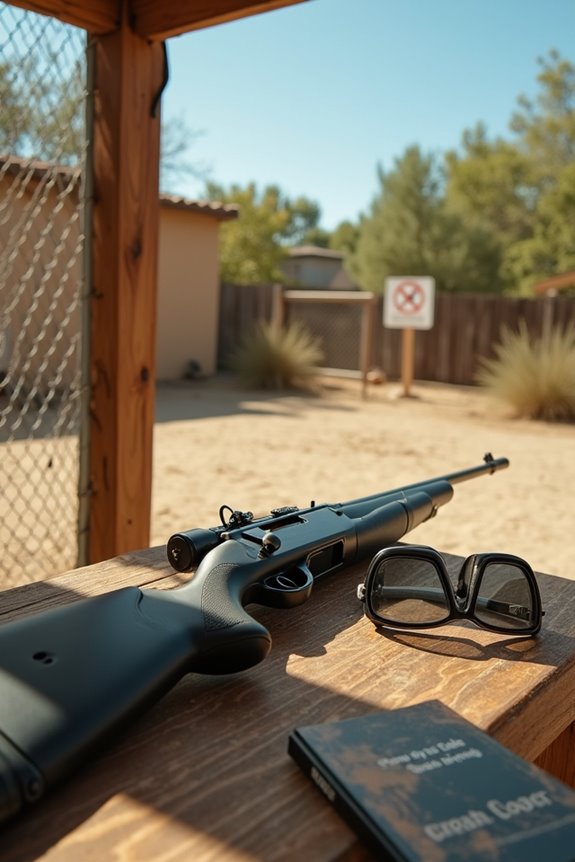
Before firing any gun in your California backyard, check both state and local rules. California permits BB gun ownership, but regulations vary by city and county. Your local ordinances might restrict or ban backyard firing entirely.
Start with your local government. Contact your city or county clerk’s office to learn specific restrictions in your area. Ask about discharge rules near dwellings and populated areas. Check whether your homeowners association has additional firearm rules.
Follow California transportation requirements. State law requires you transport any BB gun unloaded and secured in a locked container. This applies even when moving the gun within your own property.
Practice safe handling at all times. Even on private property, follow safe handling practices and avoid discharging near neighbors. This prevents liability issues and ensures community safety compliance.
Check Permit Requirements in Your County
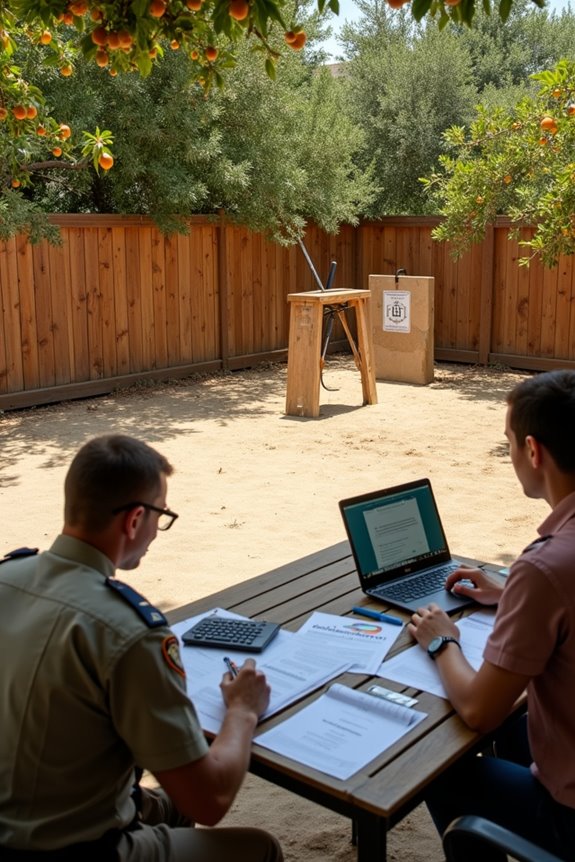
Before you shoot in your backyard, find out what your county requires. Contact your local county clerk’s office to learn the specific rules for your area. California permit requirements change significantly from one county to another.
| County Type | Permit Required | Local Ordinance Check | Documentation Needed |
|---|---|---|---|
| Urban | Often yes | Mandatory | Written approval |
| Suburban | Sometimes | Recommended | Varies by area |
| Rural | Rarely | Suggested | Check first |
| Mixed zones | Variable | Essential | Contact office |
Your county might prohibit firearms in residential areas entirely. Check your local ordinance before assuming private property allows shooting. Request written guidance from your county government about what you can and cannot do.
Once you know the rules: obtain any required permits and keep them with you when shooting. Carrying permits demonstrates you follow local laws. This step protects you legally and shows you take responsibility seriously.
Verify Local Ordinances Before Planning
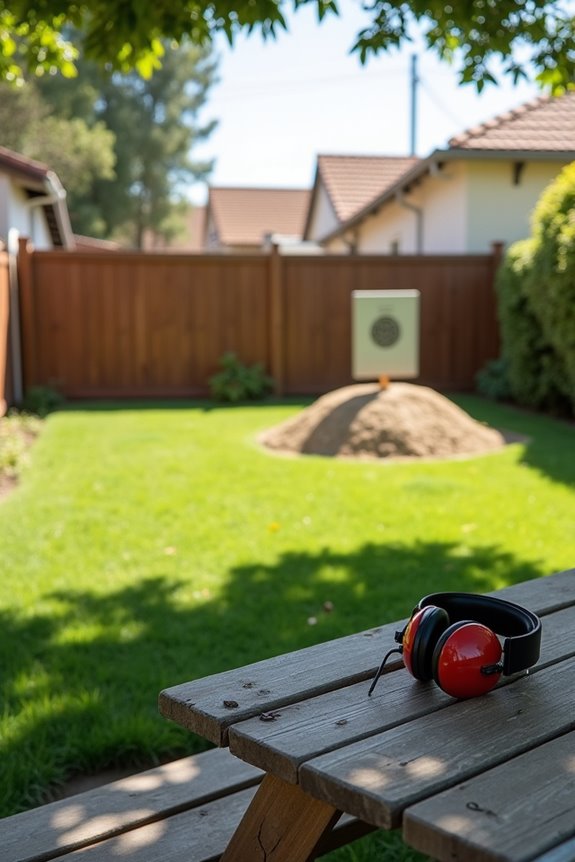
Getting a permit isn’t always enough. You also need to check what your specific city or county allows. Many California jurisdictions prohibit firing on private property entirely.
A permit alone doesn’t guarantee legal shooting. Many California jurisdictions prohibit firearms discharge on private property entirely.
What you need to research:
Your local ordinances may restrict shooting through rules about distance requirements, noise limits, and safety zones. You’ll also need to understand private property restrictions that affect your neighbors. Finally, check environmental protections for wildlife areas that might apply to your land.
Contact your local government:
Start by calling your city or county planning department. Ask about firearms discharge rules, minimum lot sizes, and required distances from structures. Some areas prohibit shooting during certain hours. Request written copies of these rules for your records.
Check your property boundaries:
Determine whether your property borders public lands or protected habitats. California Fish and Wildlife regulations may apply to your backyard even if you own the land. A planner at your county office can show you maps of protected areas near your home.
This research prevents costly violations and keeps your shooting activities legally sound.
Know the 150-Yard Safety Zone Rule
California’s 150-Yard Safety Zone Rule
California law requires you to keep firearms 150 yards away from occupied homes and buildings. This safety buffer protects your neighbors from stray bullets and excessive noise.
Measuring the Distance
You must measure 150 yards from any occupied dwelling on neighboring properties. This includes main houses, guest homes, and accessory structures like garages or sheds. Use a measuring tape or online distance calculator to determine your exact distance.
Local Rules May Be Stricter
Your city or county might require larger setbacks than the state standard. Check your local ordinances before planning any shooting activity on your property. Municipal codes sometimes exceed California Fish and Game Code Section 3004 requirements.
What’s Covered by This Rule
The 150-yard restriction applies to traditional firearms. BB devices and airsoft guns face similar restrictions in many jurisdictions, depending on local rules. Always verify which weapons your area regulates.
Consequences of Violations
Violating this discharge rule creates criminal liability and serious penalties. You could face fines, jail time, or both depending on the violation’s severity. Contact your local law enforcement or county assessor’s office to confirm distances before firing any weapon.
Select a Safe Shooting Location
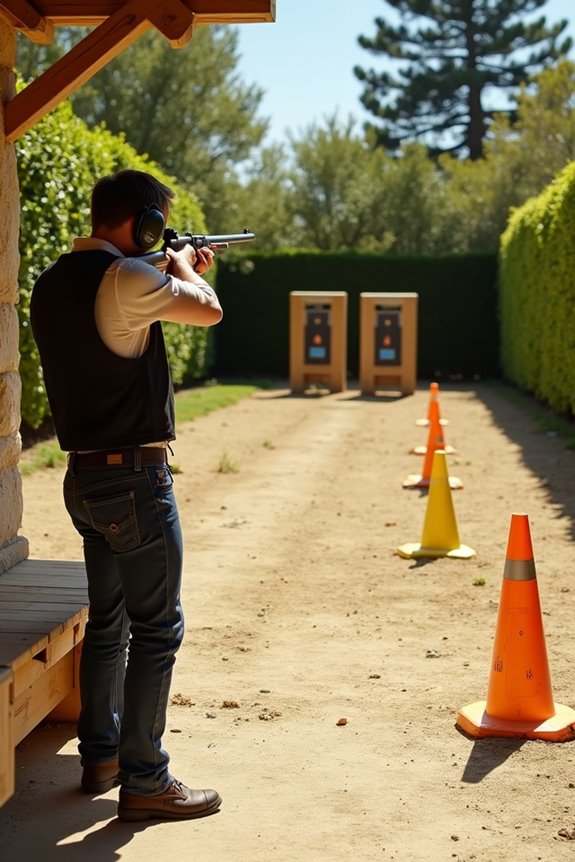
Before choosing where to shoot on your property, check local ordinances. Many California cities prohibit all private property firearm discharge. You remain legally responsible for any injuries or damage caused.
Before shooting on your property, verify local ordinances—many California cities prohibit private firearm discharge entirely. You’re legally liable for all injuries or damages.
Find the Right Spot
Use these steps to select your shooting area:
- Verify ownership or obtain written landowner permission for the property.
- Measure distances to streets, sidewalks, parks, and public buildings carefully.
- Identify nearby homes where bullets could potentially travel.
- Confirm your chosen location meets all local shooting regulations.
Create Physical Boundaries
Position yourself at least 150 yards from property lines where applicable. Safety expert and firearms instructor Michael Chen recommends: use natural barriers like dense vegetation or constructed berms to contain stray rounds. These barriers should be solid enough to stop bullets reliably.
Secure Your Firearm
Store your gun in a locked case or safe when you finish shooting. Never leave loaded firearms unattended in your yard.
Install Proper Backstops and Berms
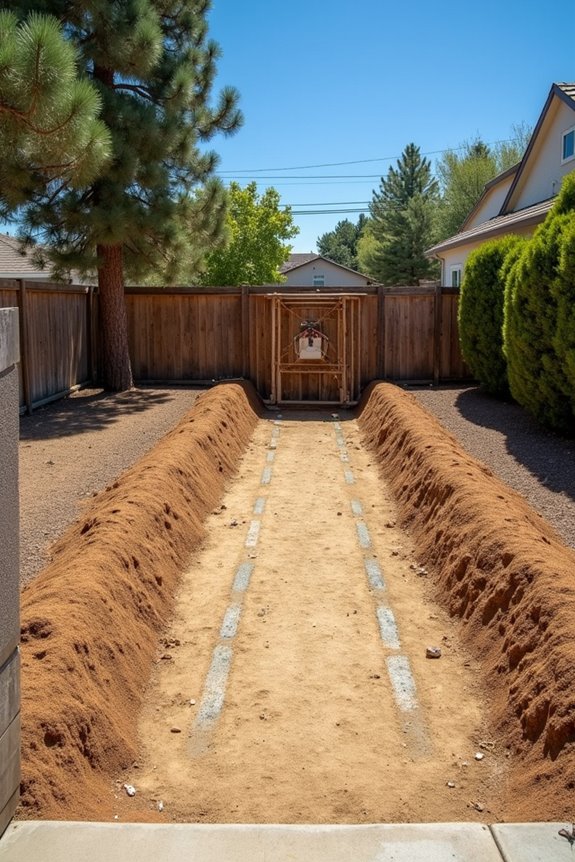
You’ll need a backstop or berm that stops bullets safely and meets California safety standards. Your backstop material options include compacted earth, steel, or commercial ballistic panels. Each material must absorb projectile impact without creating ricochets.
Position your backstop perpendicular to your shooting line. Place it at least 10 to 15 feet behind your target. Make sure the backstop is tall enough to contain all shots at your intended angles.
Safety experts recommend checking your backstop’s height and depth before shooting. Measure the vertical distance from ground level to the top of your backstop. Calculate the depth needed based on your firearm type and ammunition power.
Compacted earth berms require regular maintenance to stay effective. Pack the soil firmly to prevent crumbling. Steel backstops need inspection for dents or damage that could cause ricochets. Commercial ballistic panels come rated for specific caliber ranges. Choose panels designed for your firearm’s ammunition type.
The solution: create multiple layers of protection when possible. Layer materials to increase bullet-stopping power. This approach works especially well when combining earth berms with steel or ballistic panels.
Your shooting area should have clear sightlines to your backstop from all shooting positions. Remove obstacles that might block your view or interfere with projectile travel.
Berm Height And Composition
Bullets travel far beyond their targets, making proper berms and backstops essential safety equipment for backyard shooting. Your berm height must exceed your firearm’s maximum bullet trajectory to prevent projectiles from leaving your property and endangering neighbors.
Building Your Berm
You can construct backyard berms using these materials and methods:
Layered, compacted earth: This creates a durable foundation for absorbing bullet impact effectively. Pack multiple soil layers at least 12 inches thick each to reduce penetration and ricochet risks significantly.
Commercially rated berm materials: These engineered products offer tested protection standards and consistency. Common options include recycled rubber, sand-clay mixtures, and ballistic clay compounds designed specifically for shooting ranges.
Installation method: Compact each soil layer firmly before adding the next one. Safety expert Michael Torres recommends testing your berm’s effectiveness by starting at close range and gradually increasing distance.
Maintaining Your Backstop
Your berm requires regular inspection to stay safe and effective. Check for erosion, cracks, or bullet penetration marks every few months. The solution: replace any compromised sections immediately before your next shooting session to ensure continued protection.
Backstop Material Selection
Understanding Safe Backstop Materials
What makes some backstop materials safer than others for backyard shooting? The key is choosing materials that absorb projectile energy without ricocheting. Sand, rubber mulch, and steel are three dependable options for your setup.
Material Performance by Type
Sand berms work well for most calibers. You can build a sand berm by digging into a hillside or creating a mound. Safety experts recommend sand berms at least four feet tall and six feet wide.
Rubber mulch dissipates energy effectively and requires less space than sand. You’ll need to contain rubber mulch in a box or frame to prevent spreading.
Steel plates require proper angling to deflect rounds safely downward. The solution: angle steel plates 20 to 30 degrees away from shooters and bystanders.
Matching Materials to Your Ammunition
Your ammunition type determines which backstop material works best. Lighter rounds like .22 caliber need different materials than heavy calibers like .308. Steel plates perform well for smaller ammunition, while sand handles larger rounds better.
Commercial and Regulatory Options
Commercial backstop systems offer engineered solutions that meet safety standards. These products undergo rigorous testing and install quickly with consistent performance.
You must match your material choice to local regulations. Your county may require specific safety materials. Check ordinances before purchasing any backstop system.
Distance And Placement Guidelines
Setting Up Your Backyard Shooting Range
Creating a safe shooting range requires careful attention to distance and layout. You need proper spacing to protect neighbors and follow California regulations.
Key distance requirements for your backyard setup:
- Position your backstop at least 30 feet from property lines
- Keep your firing line 50 or more feet from houses, garages, and vehicles
- Maintain a 100-foot minimum distance from neighboring homes
- Place targets where bullets cannot ricochet toward any structures
Positioning Your Backstop
Your backstop placement determines how safe your entire range will be. Position it perpendicular to your firing line so bullets travel downward into earth berms. This angled approach prevents bullets from traveling sideways toward nearby buildings or property.
Safety experts recommend choosing a backstop location before setting up your targets. Your choice of location affects how well you contain projectiles and protect adjacent properties.
Maintaining Your Range
Inspect your range layout every few months for changes. Erosion or damage to your backstop can reduce its effectiveness over time. Adjust backstop placement if you notice compromised containment areas.
Regular maintenance and proper spacing prevent liability issues and keep your setup legally compliant with state laws.
Store and Transport Firearms Safely
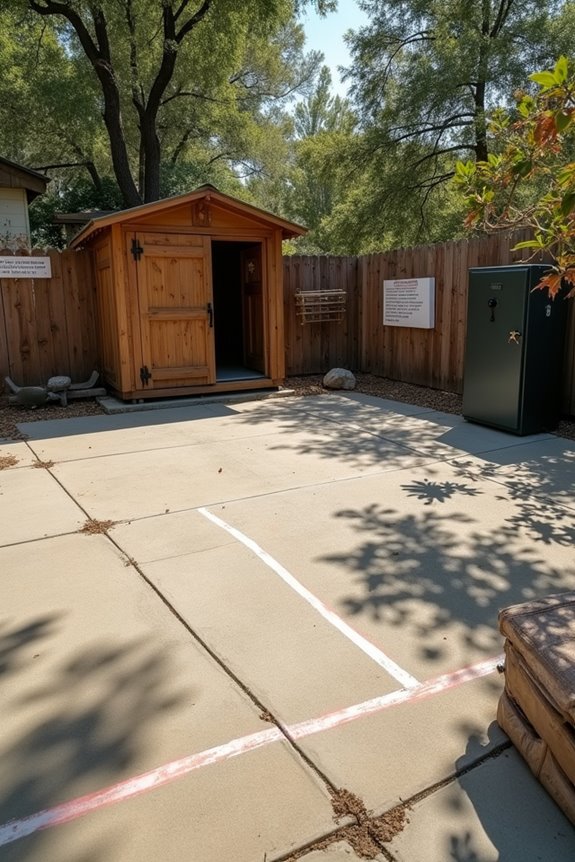
Store and Transport Firearms Safely
Firearm safety requires three key skills: home storage, safe transportation, and responsible handling throughout use.
Secure Storage at Home
Safety experts recommend storing unloaded firearms in locked cases or metal safes. Your ammunition should be locked in a separate container located away from guns. This two-part separation prevents unauthorized access and reduces accident risks significantly.
Common storage options include: hard-sided cases with key locks, wall-mounted safes requiring combination codes, or full-size gun safes weighing 300-500 pounds. Choose a location that children and visitors cannot easily access, such as a bedroom closet shelf or basement corner.
Transporting Firearms
Keep your unloaded gun in a locked case during the entire drive to your shooting range. Store ammunition separately—in your vehicle’s trunk or a different passenger compartment. Never keep loaded firearms in your car, and do not transport guns with ammunition stored together inside the same container.
Invest in a lockable transport case measuring 36-48 inches long for most rifles or handguns. These cases typically cost between $30-$150 depending on material quality and locking mechanism type.
During Range Activities
Handle firearms only in designated areas and follow all posted range rules. Keep your gun pointed downrange at all times and keep your finger off the trigger until ready to shoot.
Secure Storage At Home
California law requires you to store firearms securely and keep them away from children. Here’s what you need to do.
Lock Your Firearms Properly
You must keep firearms in a locked safe or secure container when not in use. Security experts recommend using a steel safe with a deadbolt lock or combination lock. Your safe should weigh at least 50 pounds to resist theft.
Store ammunition separately in its own locked container. Keep this container in a different location from your firearms if possible.
Secure Keys and Combinations
Hide all keys, combinations, and electronic codes where children cannot find them. Storage specialist Robert Chen recommends: keeping backup keys in a safety deposit box at your bank. Never write combinations on paper kept near the safe.
Check Your Security System
Test your locks and hinges every three months to make sure they work properly. Replace any damaged locks immediately. Check that safe doors close completely and latches engage fully.
Your storage setup protects both your family and your legal responsibility as a gun owner. California’s storage laws apply whether you use firearms for backyard shooting or any other purpose.
Proper Transportation Methods
Keep Firearms Unloaded and Secured
When traveling to a shooting range, California law requires specific storage practices. You must keep all firearms unloaded during transport. Store your firearms in a secure container or locked case designed for that purpose. Handguns require locked cases and should never go in your vehicle’s glovebox. Rifles need cases made specifically for rifles.
Store Ammunition Separately
Ammunition must stay completely separate from your firearm. You cannot carry loaded magazines in your vehicle. Detachable magazines need to be unloaded before transport.
Choose Compliant Routes
Before you leave, check local restrictions in your area. You should identify routes that avoid prohibited zones. This advance planning helps you remain compliant at every stage of your trip—from your home through arrival at the range.
Safe Handling Practices
Safely storing and transporting firearms requires discipline and attention to detail. You protect your family and community through proper safety protocols.
Storage Requirements
Store your firearms in locked, secure containers separate from ammunition. Keep storage locations where minors cannot access them. California law requires properly secured firearms on private property.
Secure storage prevents unauthorized access and demonstrates responsible ownership. Security experts recommend using steel safes or lockboxes with key or combination locks.
Transportation Guidelines
Transport firearms only in locked trunks or hard cases. Never transport loaded weapons. Keep BB guns unloaded during transport in locked cases. Store the key or combination separately from the firearm.
Never leave weapons visible to neighbors or the public. Keep your vehicle locked during stops.
Protection During Use
Eye and ear protection minimizes risk during shooting practice. Safety instructors recommend wearing shooting glasses rated for impact resistance and foam or electronic ear protection with at least 20 decibels of noise reduction.
Your commitment to storage and safety standards establishes trust within your shooting community.
Use Required Protective Equipment
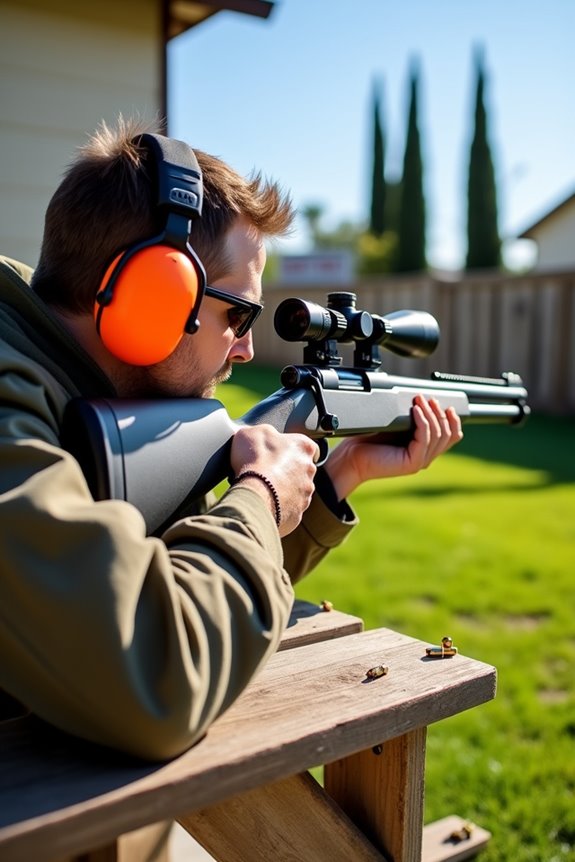
Why do professional shooters wear safety gear every time? They understand that protective equipment prevents injury during shooting activities.
Professional shooters prioritize safety gear because protective equipment prevents serious injuries during shooting activities.
Eye Protection
Safety glasses with side shields protect your eyes from ricochets and flying debris. Look for glasses that meet ANSI Z87.1 standards for impact resistance. Side shields are important because ricochets travel unpredictably in different directions. You should wear these glasses during every shooting session without exception.
Hearing Protection
Gunshots produce noise levels between 140 and 190 decibels, which causes permanent ear damage over time. Choose either earmuffs or foam earplugs rated specifically for shooting. Earmuffs should provide at least 20 to 30 decibels of noise reduction. Foam earplugs rated for shooting offer similar protection when inserted correctly into your ear canal.
Setting Up Your Shooting Area
A safety backstop made from dense material like wood or earth stops bullets safely. Position your backstop directly behind your target at least 10 to 15 feet away. Clear your shooting area completely before you begin, checking that no one stands within 100 feet of your shooting zone. This setup prevents bullets from traveling beyond your intended target area.
Wearing proper protective equipment demonstrates responsibility and protects everyone involved in your shooting activities.
Manage Noise and Neighbor Relations
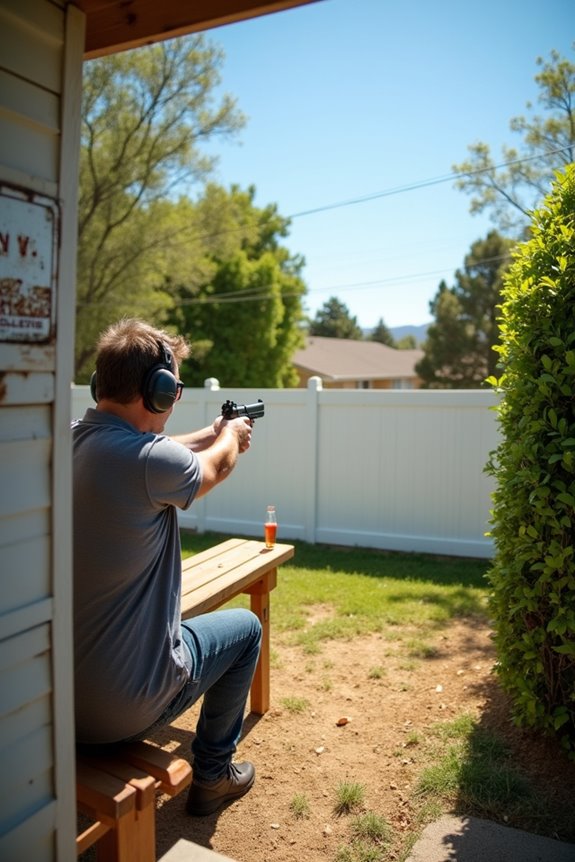
Check Local Rules First
Your city sets its own noise limits for firearm discharge. Review your local ordinance requirements before you plan any shooting sessions. Each California jurisdiction has different rules about when and how loud shooting can be.
Inform Your Neighbors
Talk directly with your neighbors about when you plan to shoot. Let them know your schedule in advance so they can prepare. This conversation prevents complaints and builds good community relations.
Schedule During Appropriate Hours
Plan your range time during daytime hours, avoiding early mornings and evenings. Most jurisdictions enforce quiet hours between 10 p.m. and 7 a.m. Schedule your shooting sessions outside these restricted times to stay compliant.
Understand Legal Protection
Compliance with noise standards protects you from liability. When you follow local quiet hour rules, you reduce the risk of legal problems. Neighbors are less likely to file complaints if you respect established noise ordinances.
Noise Level Compliance Standards
Noise Level Compliance Standards for Backyard Shooting in California
California doesn’t set one statewide noise limit for all areas. Instead, your city or county creates its own rules about acceptable noise levels.
Before you plan any shooting sessions, take these steps:
Understanding Your Local Rules
Contact your local police department or county code enforcement office directly. They will tell you what noise standards apply to your specific location. Some communities ban backyard shooting entirely. Others allow it only during certain hours with proper safety equipment.
Key Compliance Factors to Review
Check your local noise ordinances in writing before scheduling. These documents explain decibel limits and quiet hours that typically restrict shooting from early morning through evening. Measure the distance between your property and your neighbors’ homes. Verify that your property size meets minimum requirements for safe shooting in your area.
Meeting Safety Requirements
Many jurisdictions require proper barriers and backstops to reduce noise transmission. Install these structures according to local specifications. The distance of your home from neighboring properties often determines whether shooting is permitted at all.
Your local government office will clarify exactly what you need to do. They can explain whether your specific address allows backyard shooting and under what conditions.
Neighbor Communication Strategies
How to Shoot in Your Backyard Without Damaging Your Neighbor Relationships
Proactive Notification
Tell your neighbors about your shooting plans before you start. Give them specific days, times, and how often you’ll shoot. This openness shows you respect their quiet time and builds trust between you.
Noise Mitigation Planning
Talk directly with your neighbors about noise. Suggest practical solutions: use a designated shooting range instead of your yard, build sound barriers around your shooting area, or choose times that work better for everyone. Check your local laws for noise rules in your neighborhood.
Ongoing Dialogue
Keep communication open with your neighbors. If someone complains, listen and take it seriously. Make changes based on what they tell you. Good neighbor relationships help you avoid conflicts and legal problems down the road.
Documentation
Write down all your conversations with neighbors. Keep copies of emails or notes about what you discussed. This record shows you’re being responsible and following community rules.
Local Ordinance Requirements
Good neighbor communication helps prevent conflicts, but local ordinances determine what’s actually legal in your backyard.
What You Need to Check
Before shooting in your California backyard, you must verify these regulations with your city or county:
Prohibited weapons. Your specific city or county may ban BB guns or other firearms entirely.
Noise and timing rules. Most areas limit shooting to daytime hours and set maximum decibel levels you cannot exceed.
Distance requirements. Local codes specify how far your shooting area must be from property lines and neighboring homes.
Permits or licenses. Some jurisdictions require you to obtain special permission before backyard shooting.
How to Find Your Local Rules
Contact your city or county code enforcement office directly. Staff members there will tell you exactly which regulations apply to your address and shooting plans. This step prevents legal violations and shows neighbors you follow local rules.
Next Steps
Once you understand your local ordinances, you can plan backyard shooting that complies with all requirements and maintains community trust.
Account for Seasonal Burn Bans
Before planning a backyard shooting session, check your county’s current burn ban status. Seasonal burn bans restrict outdoor activities across California counties during high fire-danger periods.
Check your county’s burn ban status before planning any backyard shooting session during high fire-danger periods.
Finding current restrictions: Contact your county fire department or local BLM office for updates. Local fire restrictions can change daily, so call before each shooting session.
What’s typically prohibited: Many areas ban open flames and incendiary devices during active bans. This includes burning targets and similar activities. Check your specific county rules to see what applies to your location.
Maintaining firearm safety: Regardless of burn ban status, you must follow these steps:
- Unload your gun before transport
- Store your firearm in a secure location
- Keep ammunition separate from your gun
Consequences of violations: Breaking seasonal burn ban rules carries serious penalties. These include fines ranging from hundreds to thousands of dollars, gun confiscation, and potential wildfire-related criminal charges.
Your first step should be checking current restrictions in your area. This protects your community while ensuring you shoot legally and responsibly.
Confirm Zoning and Lot-Size Compliance
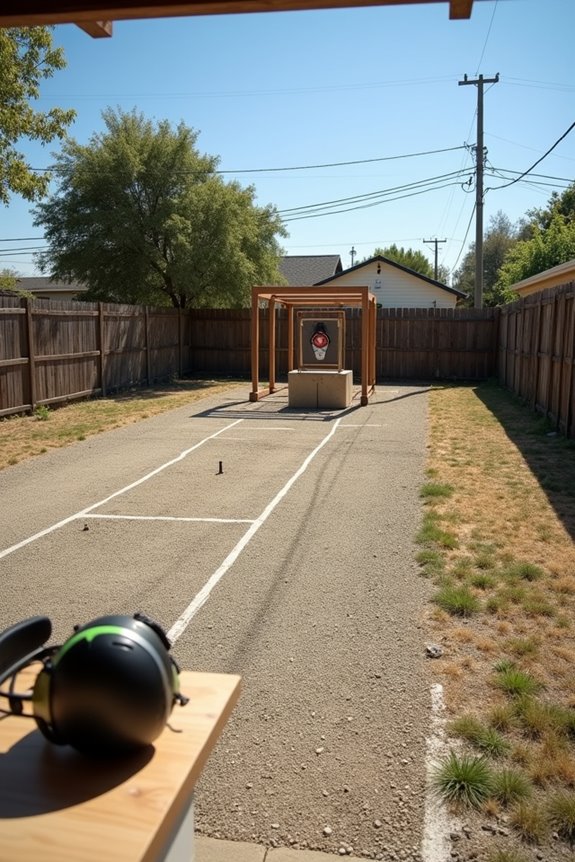
Before shooting on your property, check your local zoning laws first. Your county or city office can provide these requirements. Many California areas require minimum lot sizes for firearm use on residential land.
Standard requirements: One acre or larger for most jurisdictions allowing residential shooting. Your local zoning department will confirm the exact size needed in your area.
Check your property boundaries using your deed or county assessor records. Measure your lot to verify it meets the minimum size standard. Properties smaller than required fall under stricter firearm restrictions and prohibit shooting.
Contact your local building or planning department to confirm your specific lot qualifies. They can tell you whether your property size allows legal firearm discharge. Get written confirmation of zoning compliance before you plan any shooting activities.
Check Local Zoning Laws
Where can you legally shoot in your backyard? Your answer depends on local zoning laws and ordinances in your specific area.
Review these key regulations before planning any shooting activities:
Noise restrictions. Your area may limit shooting hours or set maximum decibel levels for firearm discharge.
Safety distance requirements. Most zones require you to maintain specific distances from neighbors’ homes, roads, and schools.
Lot size minimums. Your property may need to meet a certain size to qualify for backyard shooting activities.
Firearms discharge prohibitions. Many residential zones ban firearm discharge altogether, regardless of lot size or distance from others.
Understanding Your Liability
California law holds you liable for any harm to others, even when shooting on your own property. Some municipalities prohibit backyard firearm discharge completely. Others impose strict setback requirements—meaning you must keep a certain distance between your shooting area and nearby residences or public spaces.
Getting Official Confirmation
Contact your local planning or code enforcement office for written confirmation before you shoot. Staff members will clarify whether your property meets zoning requirements for firearm discharge. Never assume that private property automatically permits backyard shooting, as regulations vary significantly by location.
Minimum Lot Size Requirements
Determining Your Property Size
Your city or county zoning codes set the minimum lot size for firearm discharge on private property. Most California jurisdictions require at least one acre for backyard shooting. Your local planning or code enforcement office can tell you your exact requirements.
Finding Your Lot Size
The solution: review your property deed for acreage information. Then cross-reference this against your municipality’s zoning ordinances. Your deed should clearly state how many acres you own.
Meeting All Local Regulations
Even if your lot meets size requirements, distance regulations still apply. Your property must maintain required distances from residences and public spaces. Some areas prohibit shooting entirely on smaller parcels, regardless of your intentions.
Getting Official Permission
Contact your local planning or code enforcement office immediately. They’ll provide your exact lot size thresholds and any conditional-use permits you’ll need. Ask about all distance requirements from neighboring properties and public areas.
Keeping Records
Document all compliance steps for your records. Write down lot size requirements, distance regulations, and any permits you obtain. This protects you if questions arise later.
Property Boundary Verification
Before you proceed with backyard shooting activities in California, you must verify your exact property boundaries and confirm zoning compliance.
Steps to Verify Your Boundaries
Step 1: Review your deed and title documents. Your property deed contains the exact measurements and legal description of your lot. These documents provide your first official record of boundary lines.
Step 2: Contact your county assessor’s office. County assessor staff maintain official lot size records and can provide you with precise acreage and dimensions. This office serves as your source for verified property information.
Step 3: Request a professional survey if needed. A surveyor can physically mark your property lines on the ground. Surveyors use specialized equipment to establish exact boundaries when deed information seems unclear.
Step 4: Check zoning classifications with local planning departments. Your zone designation determines the minimum lot size required for shooting activities. Planning departments have this information on file and can explain what your zone allows.
Why Boundaries Matter for Shooting Activities
Your county recorder maintains public records showing both lot dimensions and zoning designations. Knowing your precise property lines reduces your legal liability significantly. If a shooting-related incident occurs on your property, clear boundaries establish your responsibility for the event. Boundary disputes can weaken your legal position in these situations.
Confirm that your property meets minimum lot-size requirements for your specific zone before you begin any shooting activities.
Document Your Permissions and Compliance
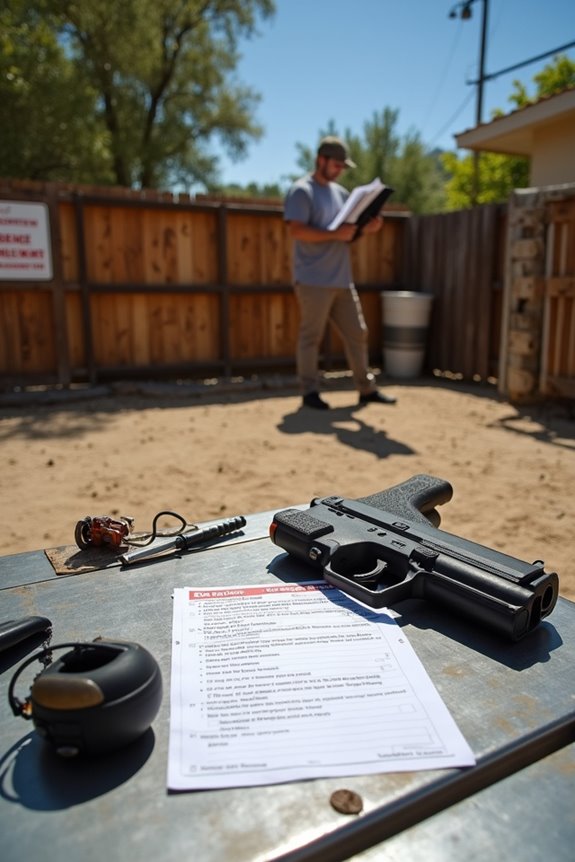
What makes the difference between legal backyard shooting and costly violations? Documentation. You need written proof of everything.
Obtain Written Permission
Get written consent from your property owner. Email works, but a signed letter is stronger. Your letter should include specific dates and shooting locations. Legal expert Michael Chen recommends keeping this document in a safe, easy-to-find place.
Check Local Rules
Visit your city or county website. Print any regulations that allow backyard shooting in your area. Different locations have different rules, so your local ordinances matter. Save these printouts with your other important papers.
Create Your Documentation Folder
Gather these three items together:
- Private property permission letter from your owner
- Local ordinances printouts from your city or county
- Any permit approvals you received
Keep this folder somewhere you can reach it quickly. Police officers appreciate seeing organized records during inspections. Your documentation shows you understand the rules and respect your community. You’ll reference these papers if questions arise about your shooting activities.
Understand Your Liability Exposure
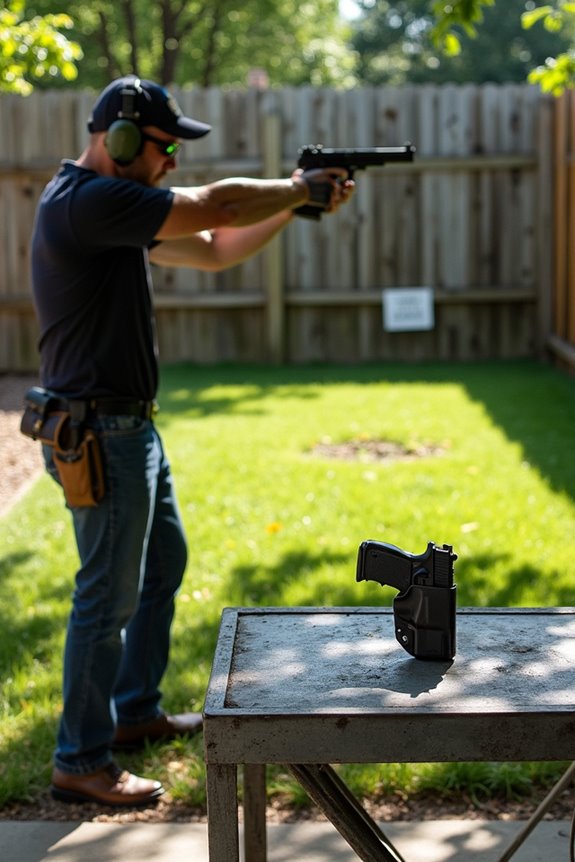
Having documentation in order protects you legally. It does not eliminate your responsibility for injuries or property damage. You still face significant liability exposure when operating firearms on private property.
Documentation alone doesn’t shield you from liability when operating firearms on private property.
Key liability risks to consider:
Stray bullets can cross property lines onto neighbors’ homes or vehicles. Ricochets may injure bystanders or damage adjacent structures. Noise complaints can escalate into legal disputes or fines. Accidents may cause permanent injury despite your safety precautions.
Legal restrictions in California
Many California zones prohibit firearm discharge, even on private property. Your private property does not shield you from neighbor lawsuits or criminal charges if someone gets hurt. Local ordinances may prohibit discharge entirely, making any use legally problematic regardless of precautions.
Insurance protection
Liability insurance specifically covering firearm use protects your finances. Check whether your homeowner’s policy covers backyard shooting activities. Most standard homeowner policies exclude firearm use. You may need a separate rider or specialized policy to cover these activities.
Contact your insurance agent about coverage limits and specific exclusions. Ask about the cost of adding firearm liability protection to your current policy. Verify that any policy you purchase covers both injury and property damage claims.
If Authorities Question Your Backyard Shooting
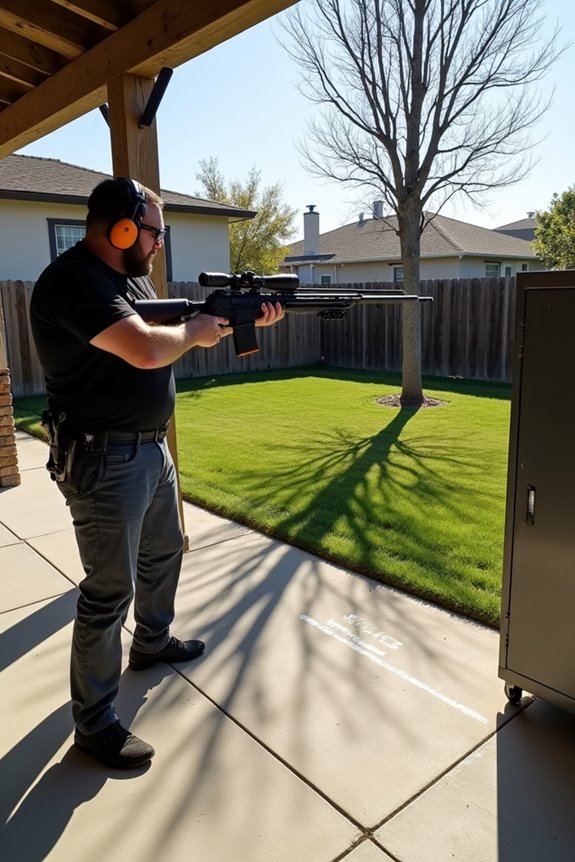
When Law Enforcement Questions Your Backyard Shooting
Staying Calm During Police Visits
When officers arrive at your property, your response matters greatly. Stay calm and speak in a steady, respectful tone throughout the interaction. Keep your hands visible and avoid sudden movements that might concern them.
Explaining Your Legal Status
You should clearly state that you’ve checked local shooting regulations beforehand. Show the officers your written documentation of city, county, and homeowners association rules. Legal expert Thomas Chen recommends keeping these records in a folder near your shooting area for quick access.
Documents to Have Ready
Prepare these items before any potential visit: safety training certificates, shooting range memberships, and written confirmations from local authorities approving backyard shooting. You should also keep records showing when you completed firearms safety courses.
Describing Your Safety Practices
When asked about your activities, describe your specific precautions clearly. The key details: how you store firearms securely, how you transport them inside your vehicle, and what range rules you follow. Safety instructor Maria Rodriguez suggests keeping written notes about your daily safety checks.
Protecting Yourself Legally
If officers claim you violated rules, request written citations before leaving. Do not agree with their statements or admit to any unsafe behavior, even if you’re uncertain. Contact an attorney immediately if charges arise from the interaction.
Prevention Through Planning
Understanding your local regulations before shooting prevents most police misunderstandings about your activity.
Verify Compliance Before You Start Shooting
Before picking up your firearm, confirm that backyard shooting is legal where you live. California has strict rules about discharging weapons on private property.
Complete these safety verification steps:
Step 1: Contact your local authorities. Call your city or county ordinance office to learn firearm discharge laws in your area.
Step 2: Learn distance requirements. Local officials can tell you how far your shooting area must be from neighboring homes and property lines.
Step 3: Review state regulations. Check California state laws on firearm possession and use to understand statewide rules that apply everywhere.
Step 4: Get written permission if needed. If you don’t own the property, verify that the homeowner consents to shooting there in writing.
What you should know about California laws
California often prohibits backyard shooting in residential areas. Many counties require minimum distances of 300 yards from occupied buildings. Some areas may have different rules, so check with your specific county.
You’ll need written documentation proving you follow all local rules. Call ahead and get official confirmation rather than assuming something is legal. This prevents violations and protects your neighbors from potential danger.