
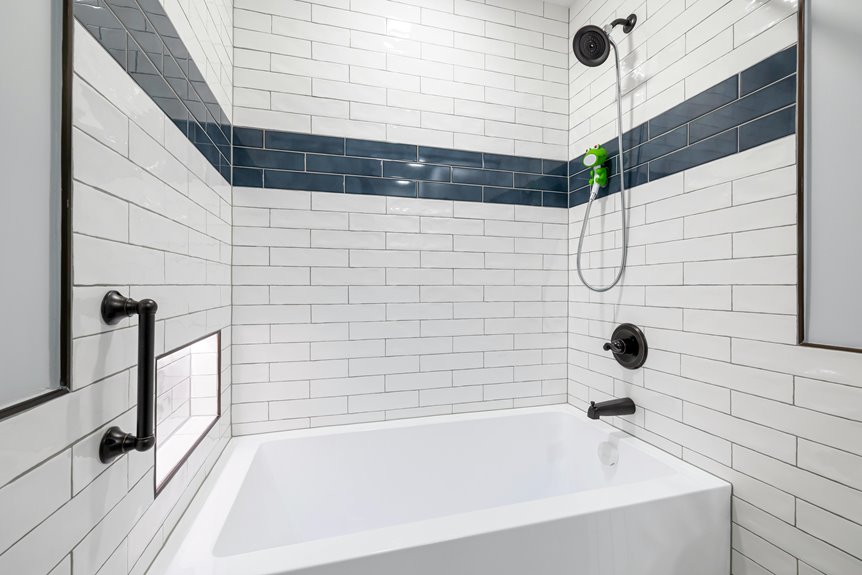
When you’re planning to freshen up your bathroom, you’ll likely need permits. Here’s why: moving pipes, rewiring outlets, or shifting fixtures requires official approval in most cases. Florida’s rules are especially strict about waterproofing and electrical work near water. Skip permits? You’ll risk fines, stop-work orders, and insurance headaches. But there’s a clear path forward—and your local building department can guide you.
Do You Need a Bathroom Permit in Florida?
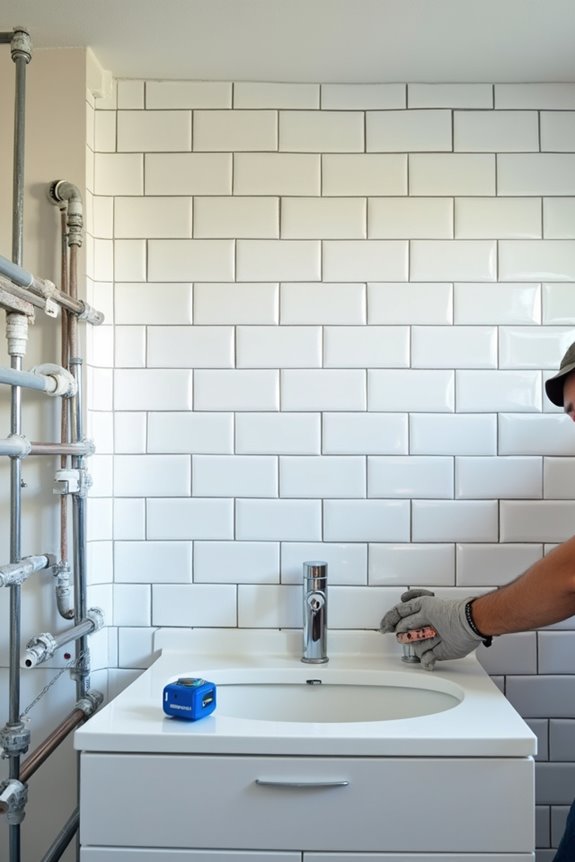
When do you actually need a permit for your bathroom remodel? The answer depends on what you’re changing.
Projects Requiring Permits: You’ll need permit requirements approval when your bathroom remodel involves plumbing changes, electrical changes, or structural work. Moving toilets, relocating sinks, installing new showers, or altering wall layouts all trigger permits. These permit inspections ensure code compliance and safety.
Projects Not Requiring Permits: Cosmetic updates typically don’t need permits: painting, replacing fixtures in existing locations, or cosmetic tile work.
Critical Step: Contact your local building department first. Rules vary greatly across Florida counties and cities.
Professional Requirement: Florida requires licensed professionals for electrical and plumbing work. They’ll handle permits correctly and ensure inspections pass. This protects your investment and ensures your bathroom meets all safety standards.
What Typically Requires a Permit in Florida Bathroom Remodels
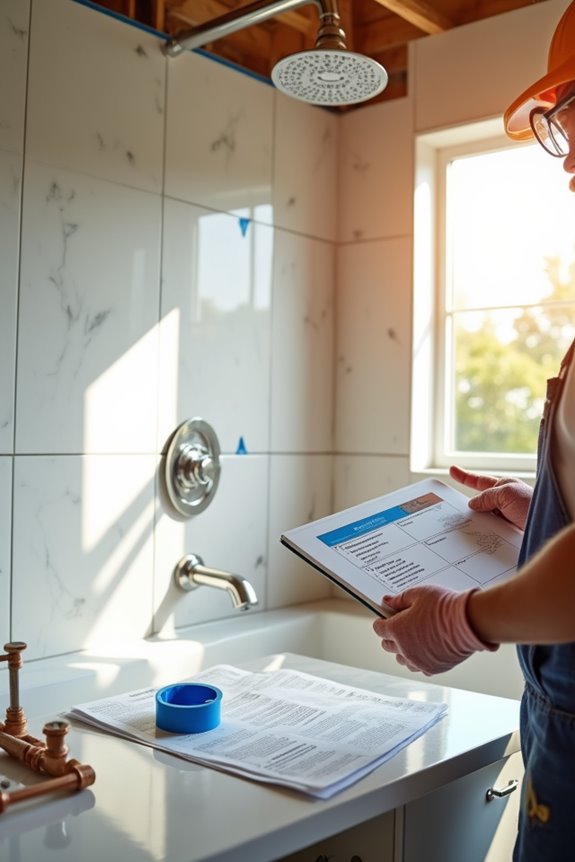
Now that you know whether you need a permit, understanding what triggers one matters most. Several categories demand permitting in Florida bathroom remodels.
Plumbing Changes: Moving or adding toilets, sinks, showers, or bidets requires a permit. Your building department enforces these regulations strictly.
Electrical Work: Relocating outlets or upgrading light fixtures almost always needs an electrical permit. This work affects safety codes directly.
Structural Changes: Wall removals or space expansions demand permits due to code compliance requirements.
Mechanical Upgrades: Relocating water heaters, exhaust fans, or HVAC components triggers permitting. Changes behind walls affecting plumbing or ventilation also require approval.
High-End Features: Steam showers or heated flooring involve electrical and mechanical complexity. These necessitate permits for proper installation.
Even permit-free cosmetic updates become permittable once you add electrical or plumbing components. Local codes vary by county.
Why Florida’s Permit Rules Are Stricter

Why does Florida enforce bathroom permit rules more rigorously than many states? You’re dealing with unique environmental challenges. Florida’s flood risks, hurricane exposure, and coastal building codes demand stricter oversight. Your bathroom remodel involves plumbing, electrical, and structural considerations that directly impact safety and insurance coverage.
The building department requires inspections at multiple stages, not just final approval. This protects your investment and ensures code compliance across all systems.
| Risk Factor | Impact | Permit Requirement |
|---|---|---|
| Flooding | Water damage | Elevated installation standards |
| Hurricanes | Structural stress | Enhanced building codes |
| Coastal proximity | Salt corrosion | Material specifications |
| Insurance claims | Coverage gaps | Full documentation |
HOA approvals compound timelines in condos. You’ll navigate both municipal permits and community restrictions simultaneously, ensuring your bathroom remodel meets every Florida standard.
Plumbing and Electrical Permits: When They’re Always Required
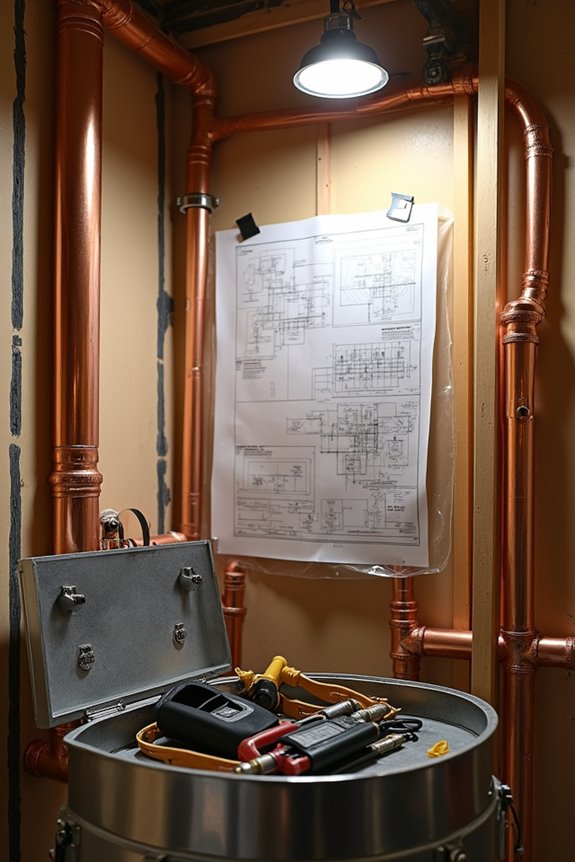
Most bathroom renovations require plumbing and electrical permits—here’s why. When you move toilets, add sinks, or install new showers, you’re triggering plumbing permit requirements. These changes involve new piping and layout modifications that your building department must review for code compliance.
Electrical permits follow the same logic. Running new wiring, relocating outlets, or upgrading light fixtures requires an electrical permit through your licensed contractor or directly with authorities.
The permit process includes inspections at rough-in and final stages. Your building department checks that plumbing and electrical work meets current codes. Skipping permits risks denied inspections, project delays, or safety violations.
When in doubt, contact your local building department. They’ll confirm whether your specific bathroom remodeling permits are necessary.
Structural Changes That Need a Permit
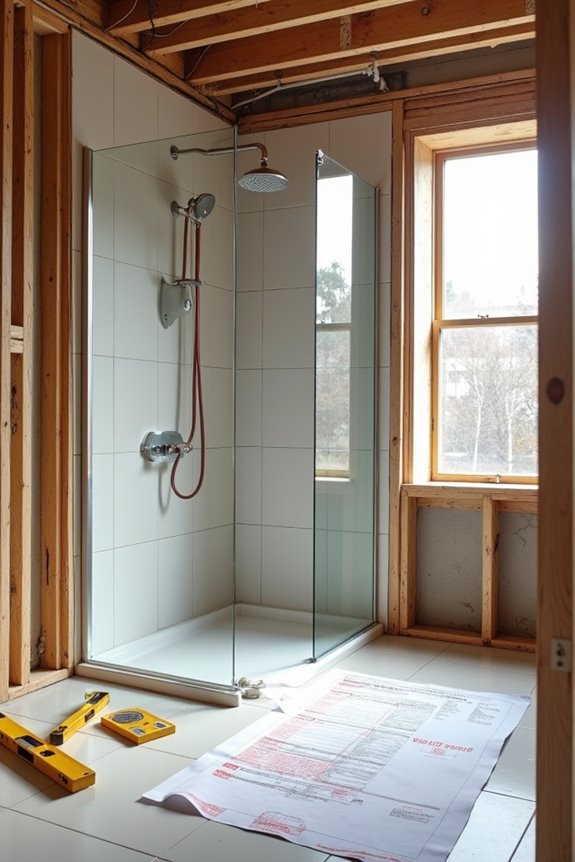
When you’re planning bathroom renovations that go beyond surface-level updates, structural work demands permit approval. Your local building department requires permits for modifications affecting your home’s integrity.
Structural bathroom renovations require permit approval from your local building department to protect your home’s integrity.
Key structural changes requiring permits include:
- Removing or relocating load-bearing walls to expand bathroom space
- Relocating windows or skylights that alter wall structure
- Cutting into walls for plumbing and electrical routing through load paths
- Modifying floor framing or joists for fixture placement
These changes trigger mandatory inspections at rough framing and final safety verification stages. Historic buildings or multi-unit properties face additional review complexity. Even minor structural modifications necessitate a building permit because they affect load distribution. Contact your local building department before beginning work to understand specific requirements for your bathroom renovation project.
Mechanical Upgrades Requiring Permits
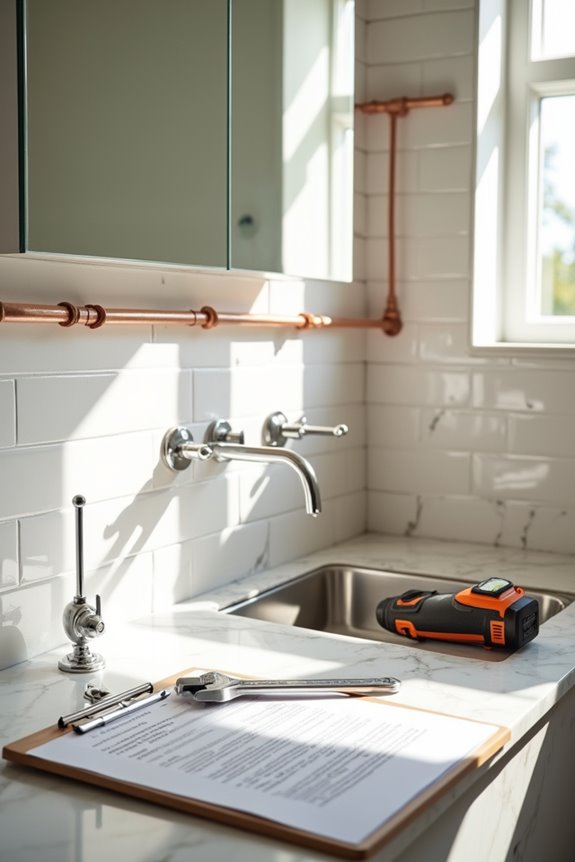
When you relocate a water heater, exhaust fan, or HVAC component during your bathroom remodel, you’ll need a mechanical permit. Moving ductwork or installing new ventilation systems requires inspectors to verify proper venting and code compliance behind your walls. Luxury upgrades like steam showers and heated floors typically demand both electrical and mechanical permits to ensure safety.
Water Heater Relocations
Why does moving a water heater require a mechanical permit? Relocating your water heater involves significant safety and code compliance concerns that building departments take seriously.
When you move a water heater during your bathroom remodel, you’re triggering a mechanical permit requirement. Here’s what you need to know:
- Installation inspections verify proper equipment placement and secure connections
- Venting assessments ensure safe exhaust removal and clearance requirements
- Gas or electrical connections receive professional evaluation for hazard prevention
- Code compliance checks protect your home from leaks and fire risks
You’ll coordinate with a licensed professional and your building department throughout this process. They’ll schedule inspections at key stages. Permit fees vary by jurisdiction and project scope. This oversight reduces installation errors significantly, protecting your investment and family safety during your bathroom renovation project.
Ventilation and HVAC Systems
Because bathroom moisture and air quality directly affect your home’s health, upgrading ventilation systems almost always requires a mechanical permit. You’ll need permit review when installing or relocating exhaust fans and ductwork. These upgrades impact moisture control, fire safety, and building codes compliance.
When Permits Apply
You must obtain permits for: new exhaust ductwork, relocated HVAC components, and modifications affecting systems behind walls. Simply replacing an existing fan with an identical unit typically doesn’t require a permit. However, any structural or ductwork changes demand formal approval.
Working With Professionals
Licensed professionals handle permit filing and ensure your ventilation meets code requirements. They understand local jurisdiction regulations and prevent costly mistakes. Your licensed contractor submits plans showing exhaust routing, ductwork sizing, and ventilation capacity. This protects your investment and maintains your bathroom’s long-term health.
Cosmetic Updates That Don’t Require Permits in Florida
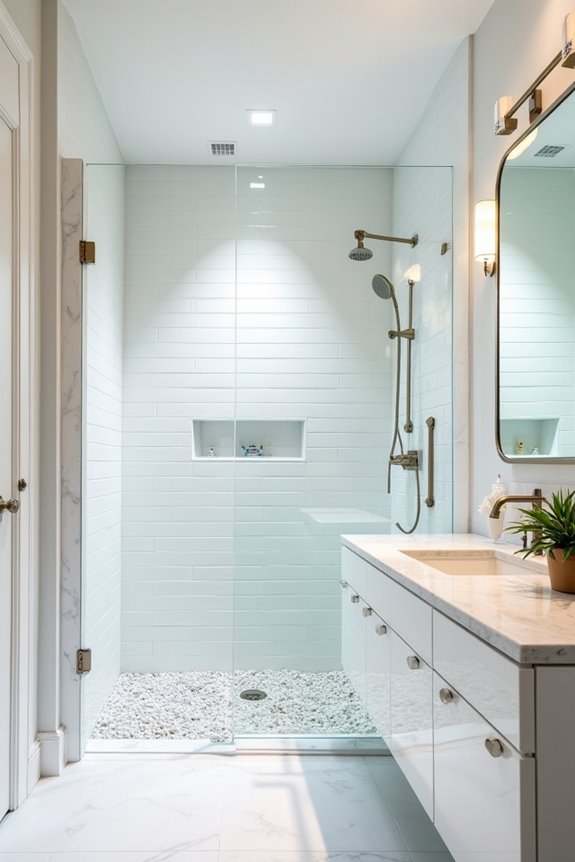
How much of your bathroom renovation can you tackle without filing for a permit? You’ll find that many cosmetic updates don’t require permits in Florida, letting you refresh your space affordably.
Permit-free cosmetic updates include:
- Painting walls, ceilings, and trim without structural changes
- Installing wallpaper, caulk, or new hardware fixtures
- Adding storage solutions or mirrors that don’t anchor to studs
- Replacing tiles or countertops without modifying drainage systems
These bathroom remodel projects avoid plumbing relocation and electrical changes entirely. However, your local building department may have specific rules. HOA rules can also impose stricter requirements on cosmetic updates.
Always verify with your local building department before starting work. Requirements vary by city and county in Florida. Confirming permits upfront prevents costly violations and ensures compliance.
What Happens When You Skip a Permit
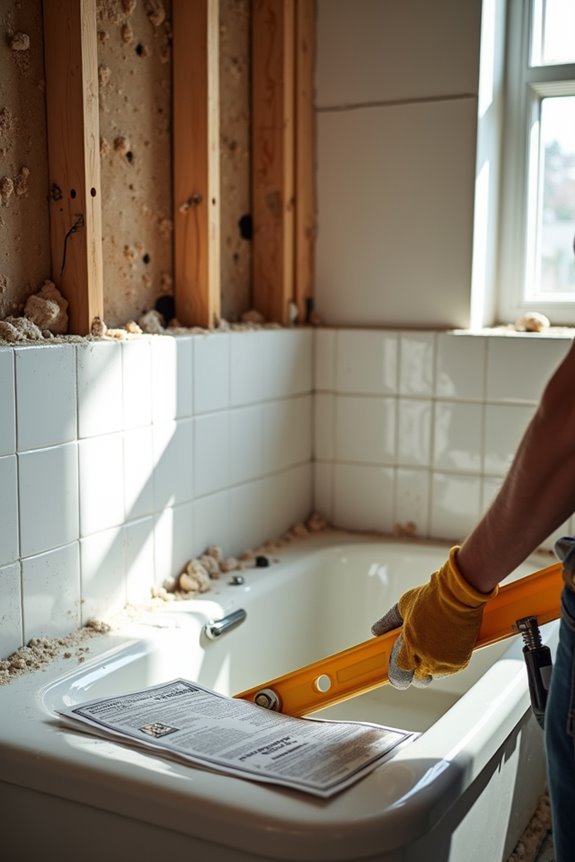
Skipping a required bathroom permit in Florida can trigger serious consequences: fines up to $1,000 per day per violation, stop-work orders that halt your project, and additional criminal penalties in some jurisdictions.
Your unpermitted work creates lasting problems. Insurance claims get denied after fires, floods, or structural damage occurs. When you sell your home, buyers or lenders discover the unpermitted bathroom renovation during inspections. They’ll require costly corrections or re-permitting before proceeding.
The building department enforces stricter requirements after storms, demanding waterproofing and ventilation upgrades. Your permit application delays increase project timelines significantly.
Code compliance matters. Permits provide verifiable records proving your bathroom renovation meets standards. This documentation protects your investment and reduces negotiation hurdles during sale.
Post-Storm Enforcement: Florida’s Stricter Inspection Climate
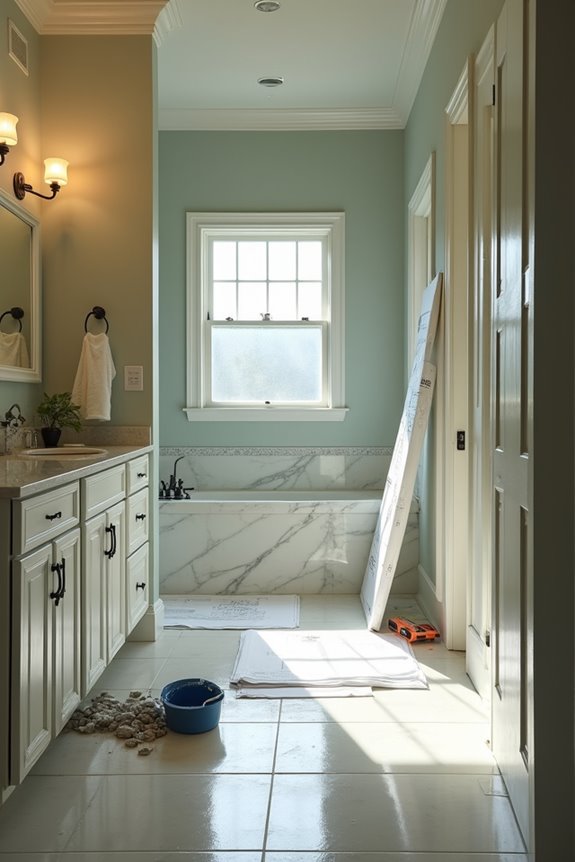
When major hurricanes or flooding events hit Florida, building departments tighten their inspection standards considerably. You’ll notice increased scrutiny on bathroom renovation permits, especially those involving structural changes or moisture control.
Post-storm enforcement focuses on these critical areas:
Post-storm enforcement prioritizes waterproofing, ventilation, electrical compliance, and flood-resistant plumbing codes.
- Waterproofing requirements for shower enclosures and wet areas
- Ventilation system inspections to prevent mold and moisture damage
- Electrical permit compliance near water sources
- Plumbing changes that meet updated flood-resistant codes
Your inspection timelines extend significantly. Licensed professionals understand local building departments’ heightened expectations and expedite approvals. Processing backlogs mean inspections take weeks longer than normal periods.
Working with experienced contractors ensures your bathroom renovation meets post-storm standards. They navigate Florida’s evolving requirements, securing necessary permits efficiently while protecting your investment.
How Permit Rules Vary by City and County
You’ll discover that permit requirements shift dramatically depending on your location. Denver requires permits for structural changes and plumbing modifications, while neighboring areas may allow the same work without authorization. Before you start any bathroom renovation, contact your local building department to confirm what rules apply in your specific city or county.
Florida’s Jurisdiction-Specific Standards
How do permit rules actually differ across Florida’s cities and counties? Your location determines what you’ll need before starting your bathroom remodel. Each jurisdiction has unique standards for permits, electrical work, and plumbing installations.
Here’s what varies by location:
- Sketch plans suffice in some areas; others require sealed blueprints
- Structural changes always need permits regardless of jurisdiction
- Post-storm enforcement tightens waterproofing and ventilation requirements
- Permit costs range from $457 to $2,800 depending on scope
If you’re in a condo or gated community, you’ll need HOA approvals alongside city permits. This adds another permitting layer to your project. Always assume plumbing, electrical, and work behind walls require permits. Contact your local building department to confirm specific jurisdiction requirements before purchasing materials or hiring contractors.
Permit Requirements Across Municipalities
Because permit rules shift from one city or county to the next, you’ll want to verify requirements with your specific building department before beginning any work.
Understanding Regional Variations
Permit requirements depend heavily on your location. Some municipalities accept homeowner sketches, while others demand sealed blueprints from a licensed contractor. Your local building department determines what triggers permits.
When Permits Apply
Bathroom remodels involving plumbing changes, electrical permits, or structural work typically require permits. Purely cosmetic updates often don’t. Rules vary block-by-block within the same city.
Additional Approval Layers
HOA approvals may be necessary beyond city permits. Condo associations frequently impose their own alteration requirements. Check both sources before starting.
Planning Considerations
Permit timelines and costs vary by region, affecting your project schedule and budget. Contact your local building department immediately to clarify exact requirements for your specific bathroom remodel.
How Long Does a Bathroom Permit Take?
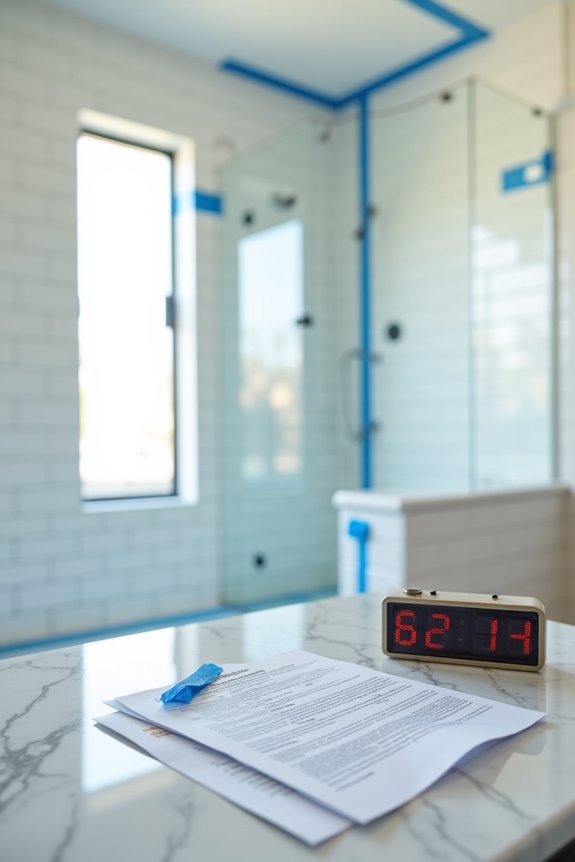
Timeline expectations matter when you’re planning a bathroom renovation. Your permit approval typically takes 2–6 months, depending on several factors.
Here’s what affects your timeline:
- Project scope: Cosmetic updates move faster than structural changes
- Complexity level: Plumbing and electrical work extends review periods significantly
- Building type: Historic buildings require additional Registered Design Professional involvement
- Department backlog: Local building departments slow down after major storms
Getting permits early matters. You’ll avoid delays from re-submittals or additional required inspections. Accurate plans and submittals speed up the bathroom renovation process considerably. Contact your building department beforehand to understand their specific processing timeline and requirements.
Choosing a Licensed Contractor for Permit Compliance
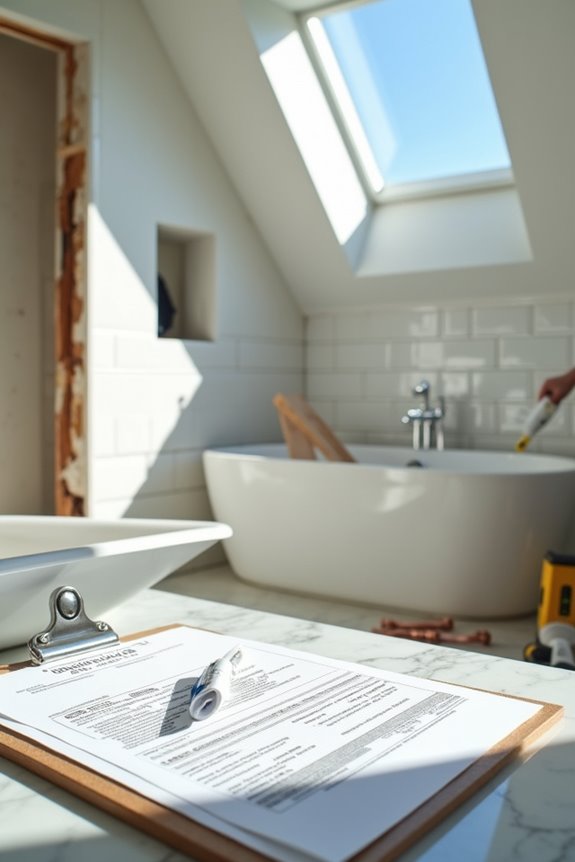
You’ll want a licensed contractor who handles permits, code compliance, and inspections throughout your project. They’ll file applications, coordinate with local agencies, and ensure all work passes required inspections—cutting your rework risk considerably. This expertise keeps your renovation on track while building the documented, compliant record you’ll need for resale and insurance.
Licensed Professionals Handle Permits
How can hiring a licensed contractor simplify your bathroom renovation? Licensed professionals shoulder the permit burden, ensuring your project stays compliant and inspection-ready.
When you work with a licensed contractor, you gain these essential advantages:
- Permit Application Management: Contractors file permits correctly and navigate local codes specific to your area.
- Electrical Permit Expertise: Licensed electricians handle bathroom electrical work, meeting safety standards required for permit approval.
- Inspection Coordination: Professionals schedule required inspections and maintain proper documentation throughout your bathroom remodeling.
- Plumbing Compliance: Contractors ensure plumbing installations meet local codes and pass mandatory inspections.
Licensed professionals reduce your risk of noncompliance significantly. They understand Florida’s specific requirements, flood zone considerations, and storm-resilience standards. Your contractor keeps permits properly open and closed, protecting your home’s resale value and insurance coverage.
Code Compliance and Inspections
While licensed contractors handle permit filing and scheduling, they’re also your partners in meeting code requirements and passing inspections. Your contractor ensures all work—including electrical permits and plumbing changes—aligns with local code standards.
What Inspections Cover
Code compliance inspections verify: electrical work meets safety standards, plumbing installations function properly, and structural changes follow building codes. Inspectors examine your permit application details during site visits.
Your Role in the Process
You’ll coordinate with your licensed contractor to schedule inspections at key project stages. They’ll address any issues inspectors identify before final approval. This partnership prevents costly rework and ensures your renovated bathroom meets all local code requirements safely and legally.
Avoiding Costly Permit Mistakes
Choosing the wrong contractor can turn your bathroom renovation into a financial nightmare. A licensed contractor protects you by managing the entire permit process correctly.
Here’s what you avoid with professional help:
- Stop-work orders: Unpermitted electrical permit violations halt projects immediately, costing thousands in delays.
- Insurance complications: Missing permit closure documentation voids coverage for bathroom remodel damage.
- Resale problems: Appraisers reject homes with unpermitted plumbing changes, lowering property value significantly.
- Building fines: Code compliance violations result in hefty penalties exceeding repair costs.
Licensed contractors coordinate inspections, manage permit applications, and secure final permit closure documentation. They understand local requirements and timelines. Your contractor shoulders responsibility for compliance, protecting your investment and home’s future marketability.