
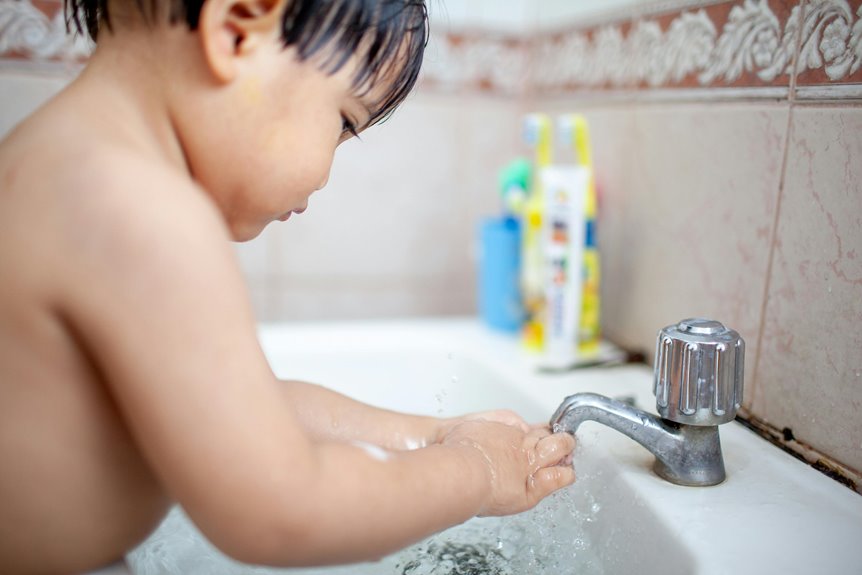
About 10 million Americans drink tap water with unsafe lead levels yearly. You probably assume your bathroom tap’s safe, but it’s actually riskier than your kitchen sink. Why? Bathroom plumbing sits unused longer, allowing contaminants to accumulate. Before you take that next sip, you’ll want to know what specific steps separate safe water from dangerous water—and they’re simpler than you’d think.
Is Bathroom Tap Water Actually Safe to Drink?

Why should you think twice before drinking from your bathroom tap? Your bathroom fixtures sit unused longer than kitchen ones, allowing contaminants and bacteria to accumulate. Water stagnates in sinks and valves, creating conditions for buildup.
Bathroom fixtures sit unused longer than kitchen ones, allowing contaminants and bacteria to accumulate in stagnant water.
Metal Contamination Risks: Older plumbing systems pose serious concerns. Lead pipes and aging fixtures leach metals like copper, iron, and lead into your water supply. These chemical contaminants accumulate over time, especially in less-maintained bathroom lines.
Why Boiling Isn’t Enough: You might assume boiling kills everything, but it doesn’t. Boiling eliminates pathogens while leaving chemical contaminants behind. This means boil-only methods don’t guarantee water safety.
Assessment Steps: Check your local water quality reports and consider backflow testing. Whole-house filtration systems offer comprehensive protection beyond what bathroom fixtures provide alone.
Why Bathroom Water Has Higher Contamination Risk Than Kitchen Water
Your bathroom water faces three main contamination risks that kitchen water typically doesn’t: stagnant water that sits unused collects bacteria and minerals in pipes, older fixtures leach lead and contaminants more readily than modern kitchen installations, and infrequent usage combined with backflow from toilets creates dangerous buildup. These issues mean you’re exposing yourself to higher levels of metals, rust, and microorganisms when you drink directly from bathroom taps. Understanding these specific risks helps you decide whether testing or alternative water sources make sense for your household.
Stagnant Water Buildup Issues
Have you noticed that bathroom water sits unused for longer periods than kitchen water? This stagnation creates problems you should understand.
When water remains still in pipes, biofilm and sediment accumulate. This buildup increases contamination risks significantly. Bacteria thrive in stagnant conditions, especially in cold or hot water lines where they multiply rapidly.
Key concerns include:
- Extended residence time allows metals to leach from aging pipes
- Mineral deposits concentrate in unused fixtures
- Disinfectant byproducts build up without fresh water flow
- Proximity to toilets introduces microbial sources
You can reduce these risks by running your bathroom tap for 30 seconds before drinking. This flushes stagnant water from pipes and brings fresher water to your tap, lowering contamination levels substantially.
Plumbing Material Degradation Effects
Beyond stagnation issues, the pipes themselves pose significant contamination risks. Your bathroom’s older piping materials may contain higher lead content or lower-grade alloys than kitchen lines. Over time, corrosion develops inside these pipes, releasing metals into your water supply.
What You’re Facing:
Bathroom fixtures rarely receive upgrades compared to kitchen systems. Lead solder joints and deteriorating pipe interiors break down gradually. Mineral scale and biofilms accumulate on aerators and shower components, then leach contaminants back into dispensed water.
The Real Impact:
In older homes especially, bathroom-specific plumbing may still contain lead pipes. This combination of aged materials and minimal maintenance creates a perfect environment for contamination. Your kitchen water, routed through newer or better-maintained lines, typically stays safer.
Understanding these material issues helps you take appropriate testing and filtration steps.
Infrequent Usage And Bacteria
Why does bathroom water sit longer than kitchen water? You use your kitchen tap daily for cooking and drinking. Your bathroom tap? It sits idle for hours or days. This infrequent usage creates a perfect environment for bacterial growth.
When water remains stationary in pipes, bacteria multiply rapidly. Stagnant conditions allow biofilms to form inside your faucet aerators and showerheads. Each time you turn on that tap, you potentially disturb accumulated sediments and contaminants.
Your kitchen lines see constant water movement, which naturally flushes out bacteria. Bathroom plumbing lacks this protective circulation. The longer residence time gives pathogens more opportunity to colonize your pipes.
Solution: Run your bathroom tap for 30 seconds before drinking. This flushes stagnant water and reduces contamination risk significantly.
Check Your Local Water Quality Report and Lead Pipe Status
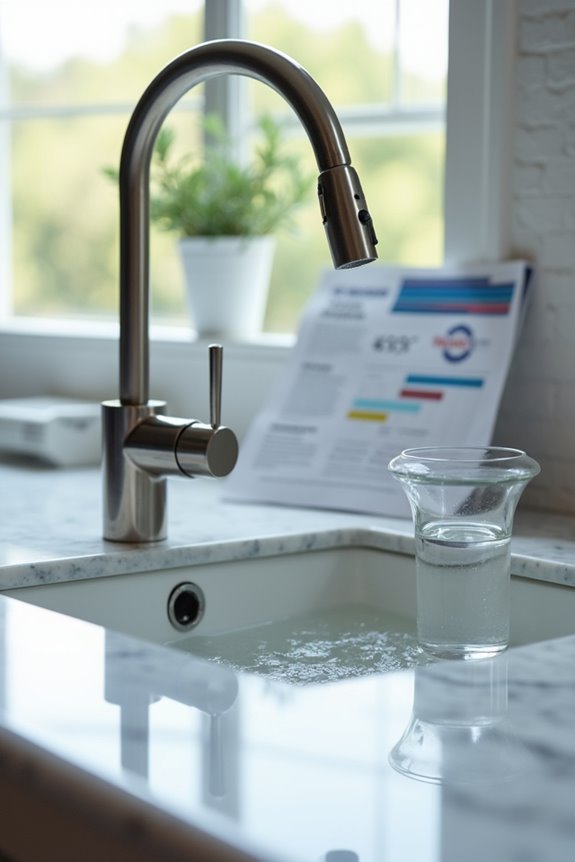
Your water utility’s annual Consumer Confidence Report (also called a Water Quality Report) is your first line of defense. This document lists all detected contaminants and compliance with EPA standards for your area.
Your water utility’s annual Consumer Confidence Report is your first line of defense against contaminants and EPA standard violations.
Request this report directly from your local water utility. Review it carefully for lead indicators, including lead service lines, lead solder, or brass components in older homes built before 1986.
Check for maximum contaminant level (MCL) exceedances, boil-water notices, and chlorine residuals that might affect water quality and taste.
If your home’s plumbing is older or uncertain, contact a plumber or local public works department to verify lead pipe status. Consider point-of-use filtration if risks exist. This proactive approach ensures you understand exactly what’s flowing from your bathroom tap.
Flush the Tap for 30 Seconds (Cold Water Only)
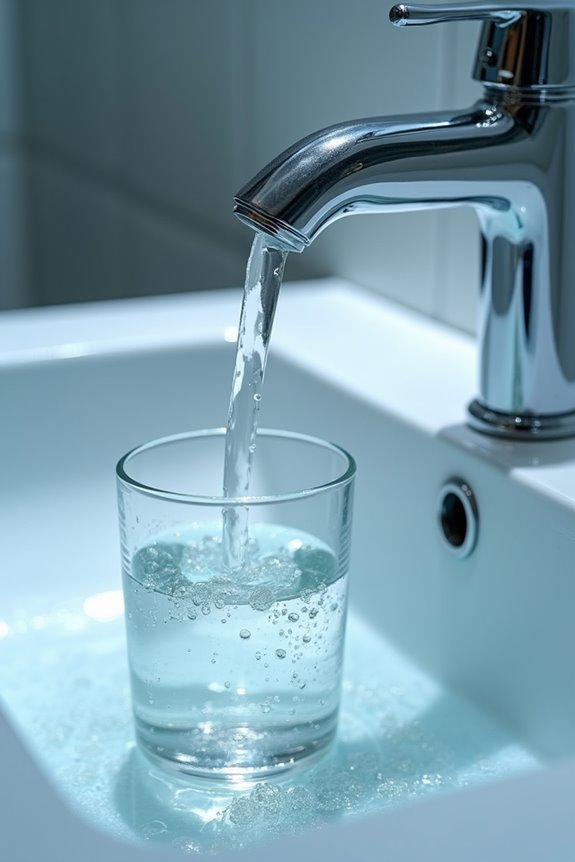
Before you fill a glass or cook with tap water, let it run for 30 seconds using cold water only. This simple step removes stagnant water sitting in your pipes overnight.
Why Cold Water Matters:
| What Accumulates | Cold Water Benefit | Hot Water Risk |
|---|---|---|
| Sediment buildup | Reduces exposure | Worsens dissolution |
| Dissolved metals | Minimizes contact | Increases metals |
| Microbial growth | Flushes contaminants | Spreads bacteria |
| Lead particles | Decreases contact time | Accelerates leaching |
Flushing cold water clears debris from your faucet aerator and interior piping. Hot water dissolves more metals and carries contaminants from your water heater. By running cold water first, you’re taking direct action against lead exposure and sediment accumulation. This practical approach improves your immediate water quality without expensive testing or complex filtration systems.
Identify Red Flags: Discoloration, Odor, and Metallic Taste
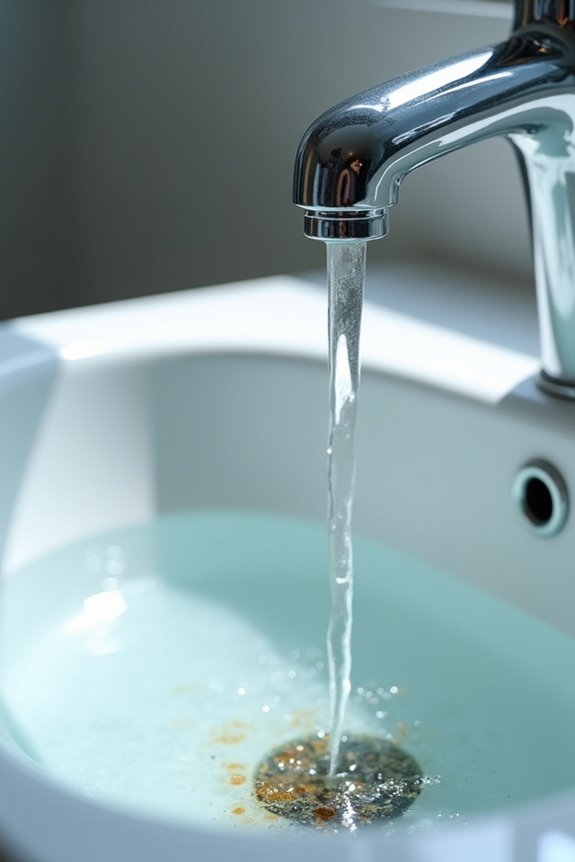
Other warning signs include: rotten-egg odors pointing to bacterial growth, cloudiness that lingers after standing suggesting particulate buildup, and bitter tastes indicating metal presence.
Don’t ignore these red flags. Professional water testing confirms contamination levels and identifies specific problems. If issues persist, pipe replacement or quality filtration systems protect your health. Taking action now joins you with informed homeowners prioritizing safe drinking water.
How Infrequent Use Allows Bacteria and Metals to Build Up

When you don’t use your bathroom tap regularly, stagnant water sits in pipes and aerators, creating ideal conditions for bacterial growth and metal leaching from corroded fixtures. Your water loses its protective disinfectants over time, leaving sediment, minerals, and potentially harmful microbes to accumulate unchecked. Running your tap for several seconds before drinking flushes out stagnation and considerably reduces these contamination risks.
Stagnant Water and Bacterial Growth
How does your bathroom tap’s water quality suffer when you don’t use it regularly? When you neglect a bathroom sink, stagnant water settles inside your pipes. This sitting water creates ideal conditions for bacterial growth along pipe surfaces.
What Happens in Unused Pipes
Bacteria thrive in stagnant water, forming biofilm—a slimy layer on interior walls. This buildup concentrates in low-use fixtures like bathroom sinks. Faucet aerators and showerheads become localized contamination hotspots where water sits longest.
Metal Contamination Risk
Stagnant conditions allow metals like copper, iron, and lead to leach from corroded pipes. Extended contact between water and pipe materials accelerates this process.
Simple Prevention
Running your tap several seconds before use flushes settled water, reducing contamination risk considerably.
Metal Leaching From Old Pipes
Your bathroom’s pipes don’t stay fresh forever—they corrode. When you don’t use bathroom taps frequently, water sits in old pipes. This stagnation allows metals like copper, iron, and lead to dissolve into your water supply.
Older homes face higher risks: corroded pipes accelerate metal leaching. Biofilm and sediment buildup compounds the problem by promoting metal dissolution. You can minimize this danger with simple prevention.
Run your faucet for several seconds before drinking or brushing teeth. This flushes out stagnant water and reduces metal concentrations significantly. However, prevention requires more: schedule a professional plumbing assessment. A plumber can identify aging pipes or lead-containing materials that heighten contamination risks. Early detection protects your household’s water quality and health.
Residence Time and Contamination Risk
Beyond pipe corrosion itself, the amount of time water sits idle in your bathroom’s plumbing creates a separate problem. When you don’t use bathroom taps frequently, water lingers in pipes longer than kitchen water does. This extended residence time allows metals like copper and lead to dissolve into your water. Stagnant water also builds biofilms—slimy bacterial layers that cause off-tastes and odors.
Less water movement means sediments and mineral deposits accumulate in aerators and lines. You’ll notice cloudy water or strange flavors developing.
What you can do: Run your bathroom taps for several seconds before drinking. This flushes out stagnant water and reduces contaminants. However, flushing alone won’t eliminate risks from aged pipes containing lead. Consider professional testing for complete safety assurance.
Test Your Water If You Suspect Contamination
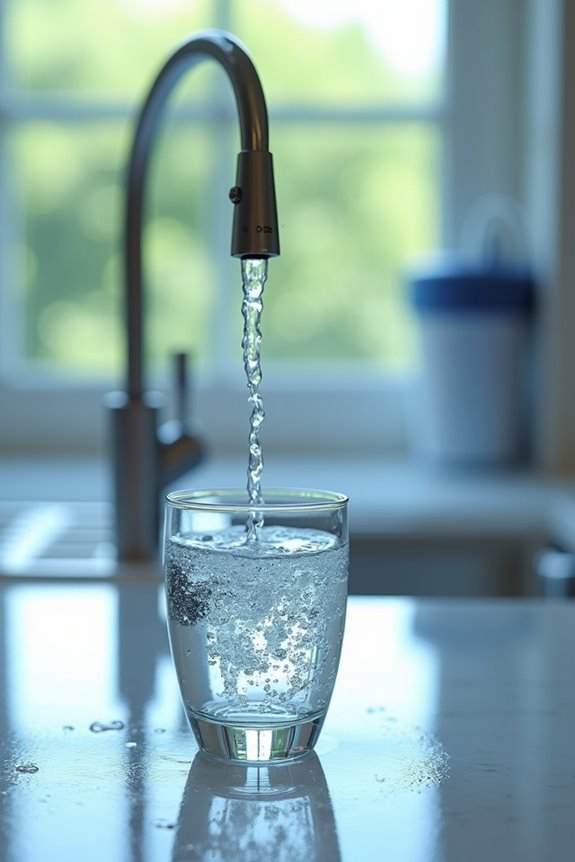
When you notice unusual color, odor, or taste in your bathroom tap water, testing becomes essential. You’ve got reliable options available.
Start by requesting your Annual Water Quality Report from your local water supplier. This document details tested contaminants and their levels. Next, use a home test kit as a preliminary check for common issues.
| Contaminant | Why Test | Action |
|---|---|---|
| Lead | Pipe corrosion | Hire certified lab |
| Copper | Plumbing materials | Professional assessment |
| Bacteria | Health risk | Certified testing |
| Iron | Discoloration | Lab confirmation |
| Chlorine byproducts | Treatment concern | Compliance check |
Always confirm concerning results with a state-certified laboratory. They’ll determine if your tap water meets EPA standards. Ask your local water utility for testing recommendations or certified lab referrals. Professional assessment ensures your water safety.
Install a Point-of-Use Filter for Bathroom Drinking Water
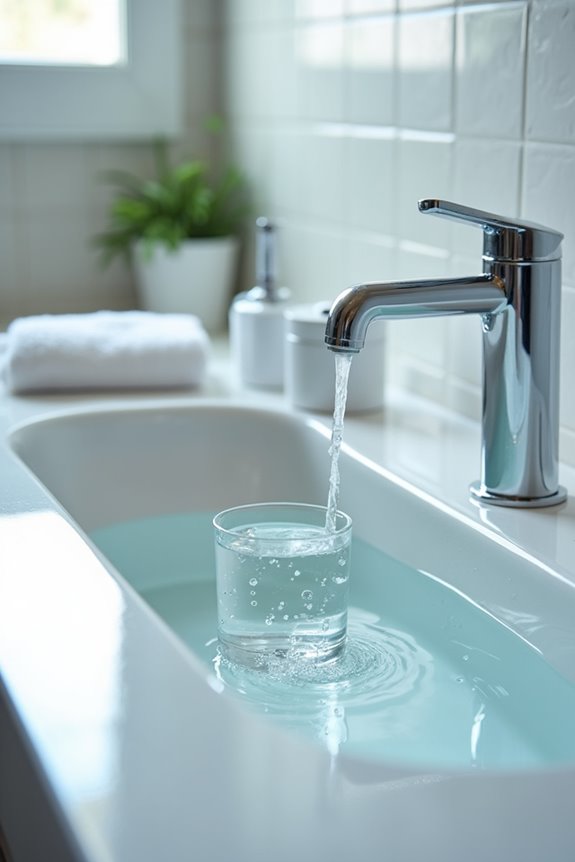
How can you stop contaminants before they reach your glass? A POU filter installed at your bathroom sink tackles this challenge directly. You’ll find two main options: activated carbon filters improve taste and reduce chlorine, while multi-stage or reverse osmosis cartridges provide thorough contaminant reduction.
Installation and Maintenance
POU filters are affordable and straightforward to install on cold-water lines. You’ll need to: verify the filter’s contaminant reduction claims match your water test results, ensure compatibility with your sink setup, and replace cartridges regularly per manufacturer guidelines.
Stay Protected
Regular maintenance keeps your drinking water safe. Check your filter’s lifespan—most require replacement every three to six months. This simple step transforms your bathroom tap into a reliable drinking water source for your household.
When Whole-House Filtration Makes Sense for Your Home
Why settle for filtering water at individual taps when you can treat it at the source? Whole-house filtration systems address water safety comprehensively by eliminating contaminants throughout your home. You’ll reduce chlorine, sediment, and heavy metals affecting all fixtures and appliances simultaneously.
Combined filtration and softening prevents mineral scale buildup and hard-water skin dryness. Systems like the Aquasure Harmony Series feature 48,000-grain capacity with triple-stage pre-filters for chlorine, sediment, and odors. This integrated approach ensures consistent quality for bathing, shaving, and drinking water needs.
Installing whole-house filtration removes the burden of individual tap filters. You’ll gain reliable water safety without ongoing point-of-use maintenance. Annual backflow testing and regular upkeep keep your system effective and protective.
When to Call a Plumber or Public Health Authority

You should contact a professional when you notice discolored water, metallic tastes, or rusty sediment from your bathroom taps. Licensed plumbers assess lead piping, aged fixtures, and backflow risks—especially in homes built before 1986—while public health departments investigate contamination events, persistent odors, and elevated bacteria or metal test results. If cross-connections between water lines and drains exist, call immediately to prevent exposure risks.
Signs of Plumbing Problems
Sometimes your bathroom’s warning signs tell you that it’s time to get professional help. You’ll notice several indicators that demand immediate attention:
- Visible corrosion or rust-colored water: Old pipes and heavy metals leach into your water supply, creating discoloration that signals aging infrastructure needing inspection.
- Water quality changes: Sudden shifts in color, taste, or odor from your tap suggest contamination or mineral buildup requiring professional evaluation.
- Pressure or flow issues: Low or inconsistent water pressure reveals hidden leaks, blockages, or deteriorating connections throughout your plumbing system.
Don’t ignore these signs. Contact a licensed plumber when you observe corrosion, taste changes, or pressure problems. For severe contamination concerns, reach out to your local public health authority. They’ll assess your situation and recommend appropriate solutions quickly.
Testing and Professional Assessment
How can you be sure your tap water’s actually safe? Professional testing gives you concrete answers.
When to Get Your Water Tested
You’ll want certified testing if your home was built before 1986, or if you notice odd taste, color, or odor. A licensed plumber inspects for lead pipes, corroded fittings, and old fixtures that leach metals into your supply.
What Testing Covers
Certified water tests check for bacteria, lead, copper, and total dissolved solids. Your local water utility’s annual Consumer Confidence Report compares detected contaminants with EPA limits for your area.
Next Steps
If testing reveals elevated contaminants, consult a public health authority. They’ll recommend point-of-use or whole-house filtration options suited to your situation. Regular backflow testing ensures your bathroom supply lines meet safety standards.
Reporting Contamination Risks
When warning signs appear in your tap water, it’s time to act fast. You shouldn’t ignore these critical signals that demand immediate professional evaluation.
Key situations requiring professional help:
- Rusty discoloration, metallic tastes, or odor changes suggest contamination requiring plumber or health authority assessment
- Failed backflow testing or elevated contaminant levels in annual water quality reports necessitate licensed plumber inspection
- Suspected lead exposure from old pipes demands urgent attention from plumbers and local health departments
Contact your water supplier immediately if your area’s annual report shows detected contaminants exceeding safe limits. A licensed plumber performs full system inspections when multiple fixtures show inconsistent water quality. Don’t delay—contamination risks affect your family’s health directly. Professional testing confirms whether your bathroom tap water remains safe for drinking.