
Check If ADUs Are Legal in Your Jurisdiction
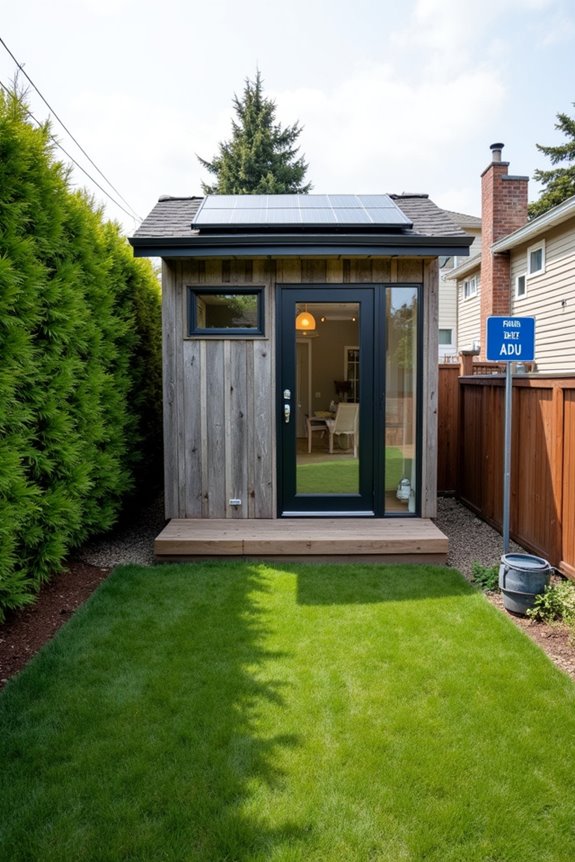
Before building, you need to confirm that accessory dwelling units are permitted where you live. Start by researching your local zoning compliance requirements.
Contact your city or county planning department directly. They will explain specific ADU legality rules in your area and answer questions about local regulations.
Review the permits you’ll need to obtain before construction begins. Many jurisdictions require formal approval beforehand. Ask about two important restrictions: setbacks and lot coverage. Setbacks determine how close your ADU can be to property lines. Lot coverage restrictions limit how much of your lot the structure can occupy.
Don’t overlook HOA or deed restrictions on your property. These covenants may prohibit ADUs entirely, regardless of what city permits allow. Check your property deed carefully to understand all restrictions upfront. This prevents costly delays and ensures your project succeeds legally.
Determine Your ADU’s Primary Use
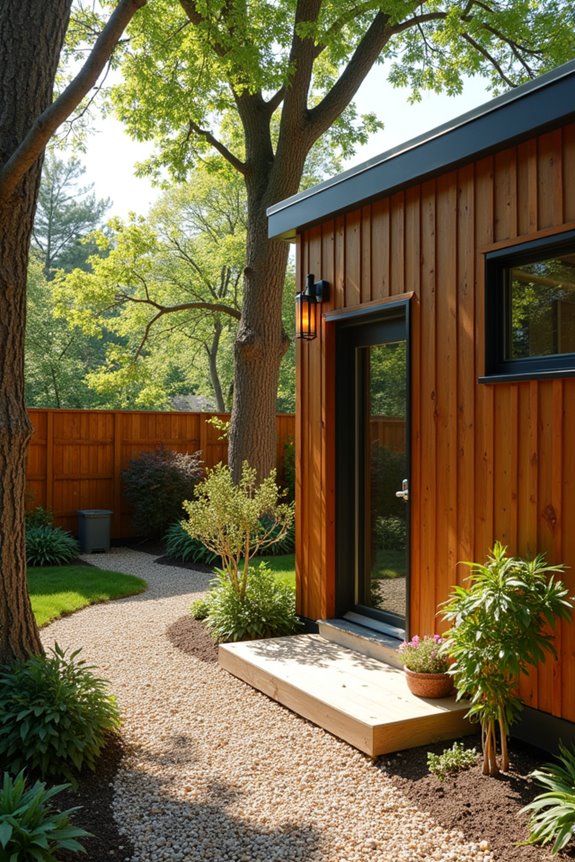
Once you’ve confirmed that ADUs are legal in your area, decide what your unit will do. Your ADU’s primary use directly impacts permits and zoning regulations.
Common purposes include housing aging parents, supporting adult children, or creating a home office. Contact your local planning department early in the process.
Ask your planning department these questions: What primary uses qualify for your zone? What utilities must you install? What setbacks are required?
Some jurisdictions offer zoning allowances for specific uses. Disability support housing and veteran housing sometimes receive special consideration and incentives.
Check your deed restrictions and HOA rules. These documents could limit your backyard structure’s allowable purpose and required design features.
Clarifying your primary use upfront prevents costly redesigns. Your intended function determines permit categorization and which building codes apply to your project.
Lock In Size and Design Limits
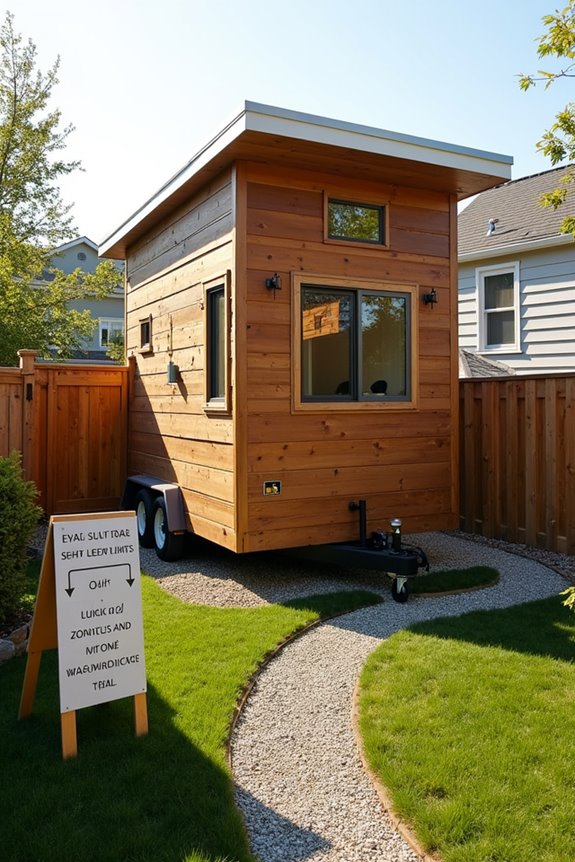
Your backyard ADU’s size and design depend on local zoning codes. Most municipalities cap units between 150 and 900 square feet. Check your specific zoning district rules to find your limits.
Three critical restrictions control your design options:
Maximum square footage. Your zoning code sets the largest size allowed. A 5,000-square-foot lot might allow a 600-square-foot unit. A 10,000-square-foot lot might permit 800 square feet. Review your local zoning ordinance for your exact limit.
Setback requirements. These rules specify how far your structure must sit from property lines. Front setbacks typically range from 15 to 25 feet. Side setbacks usually require 5 to 10 feet. Rear setbacks often demand 10 to 20 feet. Your lot shape and size determine which setbacks apply.
Design standards. Height limits generally fall between 15 and 35 feet. Parking requirements vary—some jurisdictions demand one space; others require none. Open space coverage rules might require 20 to 30 percent of your lot remain unbuilt. Check whether your code includes specifications for roof pitch, exterior materials, or window placement.
Once you identify these constraints for your zoning district, you can sketch a compliant design. Measure your lot dimensions and mark setback boundaries on paper first. This step reveals how much buildable space you actually have. Compare your design footprint against the maximum square footage allowed. Verify your planned height meets local limits.
Your local planning department can confirm all restrictions in writing before you finalize plans.
Maximum Square Footage Requirements
Understanding Your ADU Size Limits
Your backyard ADU size depends on local zoning rules in your area. Most cities limit standard backyard ADUs between 400 and 600 square feet. Some progressive areas allow structures up to 900 square feet instead.
How Lot Coverage Affects Your Building
Your lot size, setbacks, and existing structures all work together to determine maximum square footage. When you build an ADU alongside a main dwelling, both buildings must fit within combined coverage limits. These zoning codes tie ADU dimensions directly to your property’s total available space.
Special Guidelines for Relaxed Standards
Some jurisdictions adopt IRC Appendix Q standards. These guidelines: reduce height restrictions, increase floor-area allowances, and maintain local compliance requirements simultaneously.
Getting Exact Size Allowances for Your Property
Check your municipal zoning code before starting any planning. Contact your local planning department to confirm exact size allowances for your specific lot. Planning officials will clarify whether height restrictions or lot coverage limits pose the greatest challenge for your project.
Local Zoning Code Restrictions
Your zoning district determines whether you can build a detached ADU on your property. Check your local municipal code first. Different areas have different rules about ADUs.
Size limits for ADUs typically range from 400 to 900 square feet. Your specific jurisdiction sets the exact maximum. Planning departments can tell you your area’s size limit.
Setbacks are the required distances from your property lines. These distances directly affect where you can place your building. Setbacks also influence which direction your ADU faces. Measure your property lines carefully before you design anything.
Your utilities must connect to existing water, sewer, and electrical infrastructure. Verify that these systems can handle an additional dwelling unit. Underground lines may limit where you can dig or build. Contact your utility company to confirm connection possibilities.
Building permits and inspections confirm that your ADU meets all regulations. You cannot start construction without proper permits. Inspectors check your work at multiple stages during building.
Some areas require a primary residence on the lot. Your main house must exist before you build the ADU. Other jurisdictions have different occupancy requirements.
Contact your planning department before you design your tiny home. They explain which rules apply to your specific property. Getting this information first prevents expensive design mistakes later.
Design Compliance Standards
Once you confirm zoning approval, design standards lock in your ADU’s size and appearance. Most jurisdictions cap backyard ADUs between 150–900 square feet based on local bylaws.
Key Requirements
Utility connections: Your detached structure needs water, sewer, and electricity lines. A licensed contractor must install these lines and have them inspected by your local building department.
Structural standards: Your ADU foundation must meet insulation requirements in your building codes. Some areas follow Appendix Q provisions, which offer relaxed structural standards for tiny houses on foundations.
Setbacks and lot coverage: Zoning regulations control how far your ADU sits from property lines. These same rules limit how much of your yard space the structure can occupy.
Interior Layout
Interior designer recommendations focus on space efficiency. Multi-functional layouts and built-in storage maximize usability within your allowed square footage. Consider built-in shelving, fold-down desks, and combination furniture to serve multiple purposes.
Your design must balance functionality with neighborhood character standards. Check with your local planning department about specific interior requirements, as these vary by jurisdiction.
Get Construction Cost Estimates
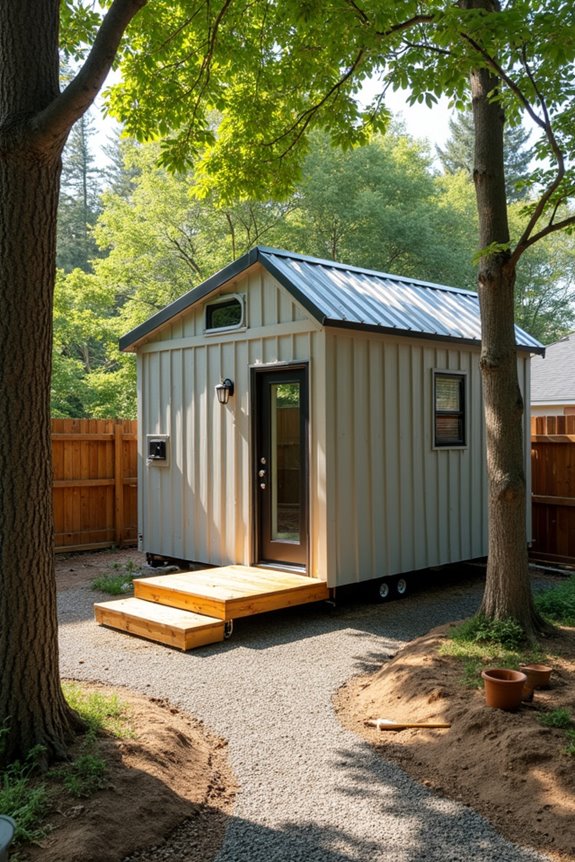
Getting accurate construction cost estimates requires planning before you move forward with your ADU project.
Contact Local Contractors
Reach out to general contractors who know your town’s ADU rules and zoning requirements. Present specific details about your project: the building size, foundation type, utility connections, and design style. This clarity helps contractors give you realistic cost numbers without delay.
Research Local Requirements First
Your preliminary research makes contractor conversations more productive. Review your local bylaws for setback distances, parking needs, and lot coverage limits. Share these findings when you discuss permits with builders: different designs cost different amounts. Detached ADUs, THOWs, and accessory structures each have distinct price tags.
Understand Contractor Hesitation
Contractors may avoid giving rough estimates upfront due to liability concerns. Frame your discussions around what your municipality actually permits. This approach reduces their risk and encourages more open conversations about costs.
Consider Construction Timelines
Modular construction typically takes two weeks to two months from start to finish. This timeline directly affects your total costs and your overall project schedule, so discuss these details with your builder during initial consultations.
Secure Financing for Your Build
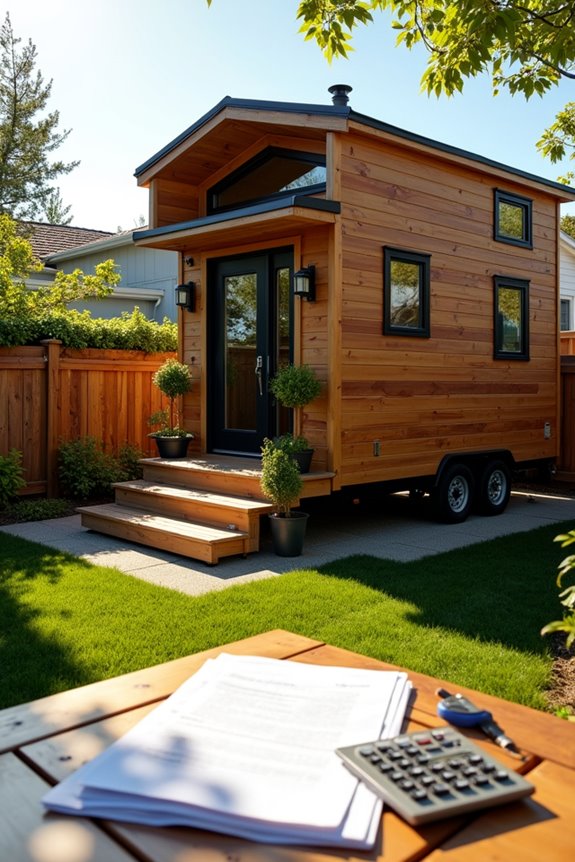
Secure Financing for Your Build
You have several funding options beyond a traditional mortgage for your backyard ADU. Cash savings, proceeds from a home sale, reverse mortgages, and home equity lines of credit all work effectively.
Massachusetts residents qualify for specific loan programs. The state offers a $50,000 home loan at 0% interest for qualifying ADU projects. You should verify your project meets program requirements before applying.
Additional financing approaches include FHA HomeStyle Renovation loans, which allow you to borrow against future home improvements. Cash-out refinancing lets you tap your home’s equity at current rates. Self-Directed IRAs offer another option if you have retirement savings available.
Financial advisor recommendations vary by your situation. Compare interest rates, repayment terms, and eligibility requirements across all options. Your choice depends on your current equity, credit score, and timeline for construction.
Financing Options And Strategies
Securing funds for your backyard ADU requires exploring multiple pathways before committing to any single option.
Traditional funding sources include:
Home sale proceeds, personal savings, or money currently in your bank account represent straightforward financing paths. These options avoid interest payments and loan approval delays that other methods require.
Specialized programs tailored to specific situations:
Massachusetts offers a $50,000 0% interest Home Loan Modification Program for disabilities or aging in place. Your state may provide similar programs designed for ADU construction. Contact your planning department to identify available state incentives before pursuing other financing.
Alternative borrowing tools:
Reverse mortgages, FHA 30-year Home Style Renovation loans, cash-out refinancing, and HELOCs (Home Equity Lines of Credit) each serve different financial situations. Your lender can explain how each option affects your monthly payments and long-term costs.
Coordinate financing with your permitting timeline:
Permits typically require approval time, especially if special permits or public hearings are necessary. Plan your contractor milestones around expected permit approval dates. Research local incentives early and contact your planning department about state programs supplementing your financing. This coordination prevents delays and ensures smooth project progression through zoning requirements and permit stages.
Creative Funding And Resources
Most backyard ADU projects face a money problem, not a zoning problem. You have several funding options to explore.
Leverage Existing Assets
Home sale proceeds can cover your entire ADU construction costs. When households consolidate, you unlock additional money for design work and permits.
Explore Government Programs
Massachusetts offers the Home Loan Modification Program. This provides $50,000 at 0% interest specifically for aging-in-place modifications and accessible backyard ADUs.
Consider Alternative Financing
Multiple loan types work for ADU projects: reverse mortgages, FHA Home Style Renovation loans, cash-out refinancing, and home equity lines of credit. Self-Directed IRAs represent another funding strategy worth exploring.
Present Clear Expectations
Prepare construction cost estimates and zoning allowance details before meeting with lenders. This information helps frame realistic expectations for your financing application and improves approval chances.
Combine cash, loans, and retirement account strategies based on your specific situation. Financing should not prevent your ADU project from moving forward.
Submit Permits and Pass Approvals
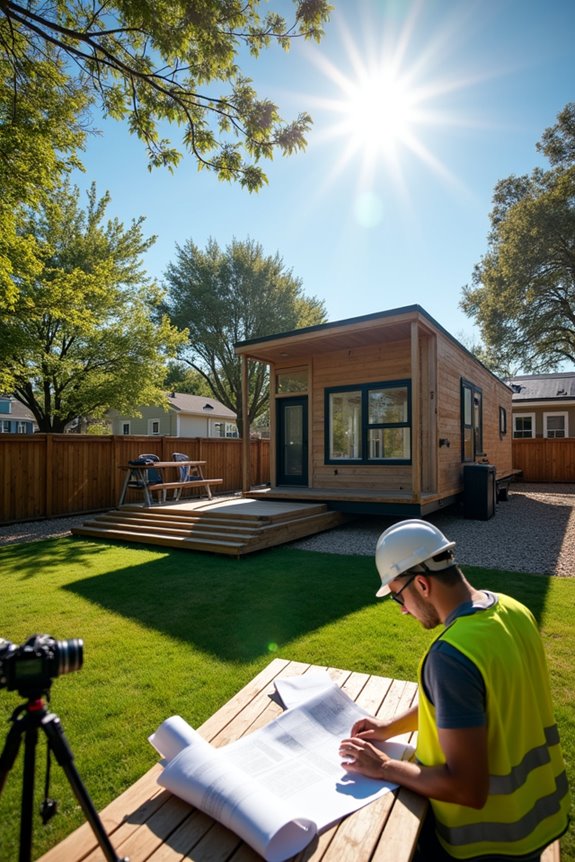
Once you finalize your tiny home design, the permitting process becomes your next step. You’ll need to follow local requirements that differ by location.
Contact Your Building Department Early
Call your local Building Department before submitting anything. They will tell you how your project is classified under local zoning codes. Ask them these specific questions:
Call your local Building Department early to understand how your tiny home project is classified under zoning codes.
- Does your project qualify as an ADU or detached unit?
- What documentation do you need to provide?
- Which permit types apply to your project?
- Do expedited review processes exist in your area?
Understand Required Documentation and Approvals
Your Building Department reviews applications using adopted codes like the IRC or Appendix Q. You must submit structural plans, utility connection details, and building code compliance information. The department will also check for conflicts with HOA restrictions, deed limitations, or covenants on your property. Some projects require variance hearings before approval moves forward.
Submit Complete Applications on Time
Incomplete applications delay your approval process significantly. Include all requested structural and utility documentation in your first submission. Building Department staff will ask follow-up questions about utility connections and structural compliance during their review. Answer these questions promptly to keep your timeline moving forward.
Install Utilities and Pass Inspections
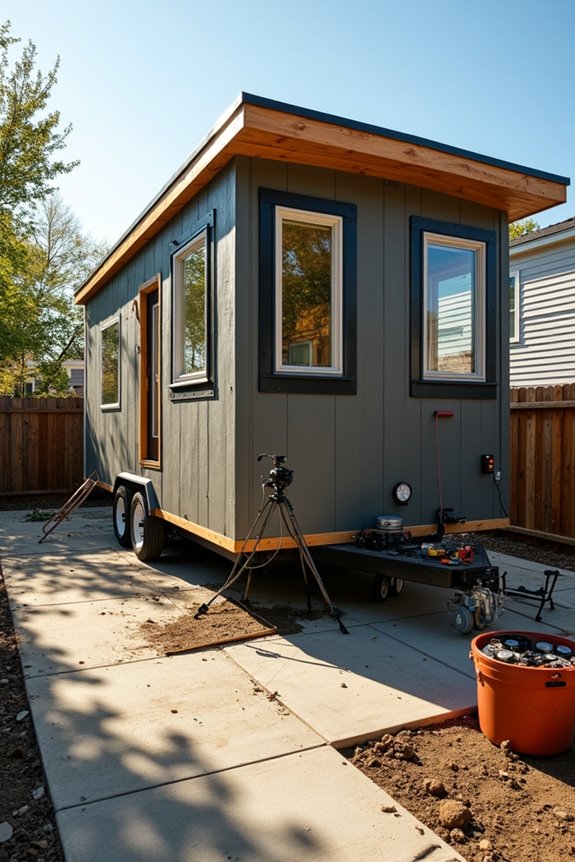
Your approved plans require working water, electricity, and sewer systems to move forward. You’ll hire licensed professionals to install all utility connections and ensure they meet local building codes.
Scheduling Key Inspections
Your ADU needs inspections at three critical stages: rough-in, final hookup, and occupancy. Contact your building department early to schedule these inspections and avoid project delays. Some jurisdictions require third-party certifications to verify your systems meet safety standards.
Exploring Alternative Utility Options
Off-grid systems like composting toilets or septic tanks may be permitted in your area. The requirement: secure written approval from your local planning office before installing any alternative system. You must also verify environmental compliance with state and county regulations.
Coordinate with planning officials early to learn what utilities your property can access. This conversation clarifies which permits you’ll need and prevents costly changes later.
Licensed contractors typically handle permit applications and coordinate inspections with your building department. Your responsibility involves ensuring inspections are scheduled on time to keep your project moving forward.
Start Construction
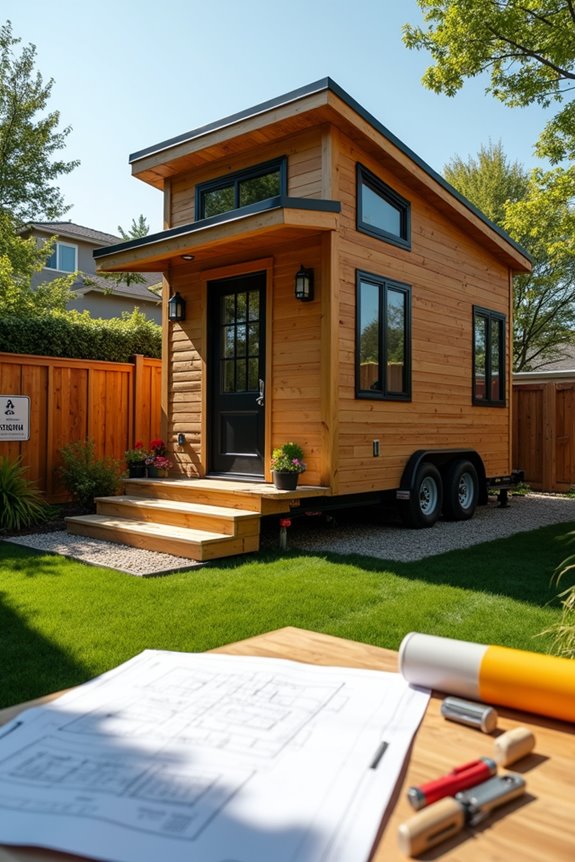
Start Construction
Before breaking ground, confirm three critical requirements: a valid building permit, zoning approval for ADUs, and compliance with setback regulations.
Essential Actions
Obtain your tiny home permits. Submit complete plans to your local building department. They will review your designs and approve or request changes.
Verify foundation requirements. Licensed professionals can assess your soil conditions and recommend permanent foundation types. Different soils need different foundation approaches.
Schedule pre-construction inspections. Building inspectors will check utility connections and code compliance before you begin work.
Research Local Regulations
ADU regulations vary by jurisdiction. Your town may have specific rules about setbacks, lot coverage, and height restrictions. Contact your building department early to learn these requirements.
Building inspectors will outline inspection checkpoints and required certifications during initial meetings. Some jurisdictions require public hearings before construction starts.
Plan Your Timeline
Modular construction typically takes 2 to 8 weeks to complete. Traditional building methods require 8 to 12 weeks. Factor in permit review time, which varies by location.
Contacting your building department early prevents costly delays and ensures your tiny home meets all foundation and utility standards.