

What Is a Backyard Breeder?

What Is a Backyard Breeder?
Why some puppies have health problems while others don’t
You’re likely dealing with a backyard breeder. These operations prioritize quick profits over your dog’s wellbeing. They skip health screenings and avoid genetic testing entirely.
Red flags that indicate a backyard breeder:
Puppies are produced year-round without waiting lists. The breeder hides their parents and facilities from you. You won’t find health clearances for two generations back. Multiple dog types are bred to maximize sales volume.
These operations contribute directly to shelter overcrowding and behavioral problems. Puppies are placed without checking whether homes are suitable. The breeder lacks accountability, references, or transparent breeding practices.
How responsible breeders operate differently:
Veterinarian and breeding expert Dr. Patricia Chen recommends choosing breeders who test genetics thoroughly. They screen families carefully before placing puppies. They maintain strict breed standards and keep detailed records. They limit how many litters they produce each year.
Understanding these differences protects both you and future dog generations. Your choice of breeder affects the health and behavior of your dog for its entire life.
Red Flags at a Glance: The Checklist
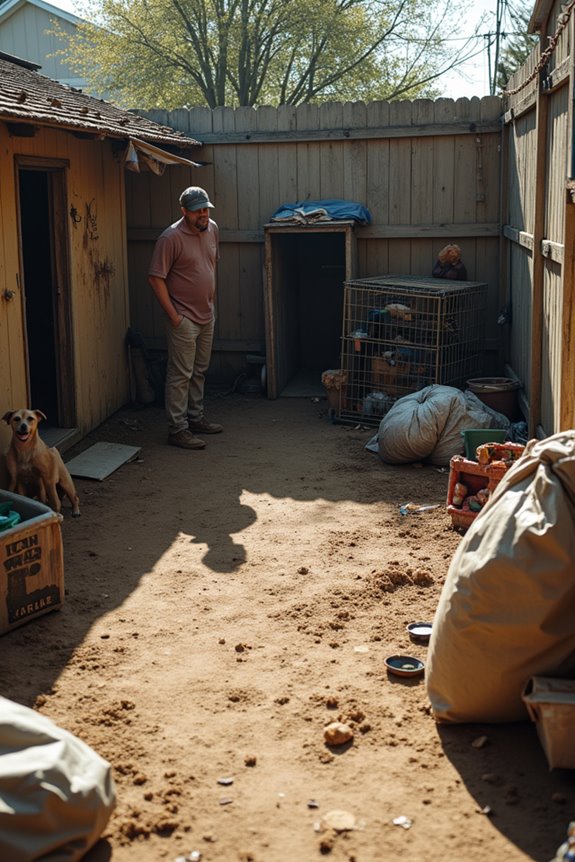
How to Identify a Backyard Breeder
Spotting a backyard breeder requires you to recognize specific warning signs. These indicators separate responsible operations from profit-driven ones.
Red Flags to Watch
| Red Flag | What It Means |
|---|---|
| Puppies available year-round | Breeder prioritizes profit over animal welfare |
| No health testing records | Genetic problems likely go undiscovered |
| Won’t allow visits | Breeder has something to hide |
| Refuses to answer questions | Lacks transparency and accountability |
What to Look For
Backyard breeders typically avoid producing verified health clearances. They don’t screen adopters carefully or require in-person meetings before shipping puppies. These practices indicate operations focused on making money rather than animal welfare.
Veterinarian Dr. Sarah Chen recommends asking potential breeders for specific health documentation. Request records for genetic testing, vaccinations, and parent dog certifications. A responsible breeder will provide these documents without hesitation.
Questions You Should Ask
Your conversation with a breeder reveals their transparency level. Ask how often they breed their dogs each year. Inquire about their return policy if a puppy develops health problems later. Request references from previous puppy buyers you can contact independently.
The key difference: responsible breeders limit their litters, welcome your questions, and provide verifiable references. Use these standards to evaluate any breeder before making your decision.
They Don’t Ask About Your Home or Experience
A responsible breeder asks detailed questions about your living situation and training background. These questions typically cover your home size, whether you have a yard, and your experience with dogs.
Breeders who skip these inquiries show a concerning pattern. If a breeder only asks basic questions like “Do you want a puppy?” that signals a problem. The issue: they prioritize quick sales over finding appropriate matches.
What responsible screening looks like: A breeder asks about your daily schedule, how much time you can dedicate to training, and whether you live in an apartment or house. They inquire about your experience handling dogs of the breed’s size and energy level.
Why these questions matter. Different puppies need different homes. A high-energy working breed requires an active owner with training experience. A smaller companion dog may suit a first-time owner better. A breeder focused on puppy welfare makes these connections deliberately.
Your action: When contacting a breeder, prepare answers about your living space, work schedule, activity level, and dog experience. Note whether the breeder asks follow-up questions or seems interested in your answers. If conversations feel rushed or one-sided, you are likely dealing with a breeding operation prioritizing profit over animal welfare.
Screening For Suitable Homes
What Responsible Breeders Ask
Responsible breeders screen potential buyers before selling puppies. They ask specific questions about your situation: Do you have a yard? What’s your experience with dogs? Can you pay for veterinary care over many years?
These questions serve a clear purpose: They help breeders match puppies with appropriate homes. Veterinarian Dr. Sarah Chen explains that thorough screening reduces behavioral problems and returns.
Red Flags in the Screening Process
When a breeder asks few or no questions, that signals a problem. Backyard breeders skip the screening process entirely, focusing on quick sales instead of puppy welfare.
Legitimate breeders want to understand your home environment and daily schedule. They assess whether you can commit to training and care throughout your dog’s lifetime. Your answers help them decide if the match will succeed.
What You Should Expect
Ethical breeders examine your ability to provide ongoing care and resources. This screening protects puppies from homes where they may not thrive. The process takes time but indicates genuine concern for each puppy’s future.
Prioritizing Profit Over Placement
Red Flags in the Screening Process
The screening process shows you what a breeder actually values. When a breeder skips questions about your home, lifestyle, or dog experience, that’s a warning sign. Irresponsible breeders move quickly through sales without learning about your situation.
Responsible breeders ask specific questions: How will you exercise the puppy? What’s your training plan? Do you have a yard? Can you afford veterinary care? These inquiries require time and effort.
What Profit-Focused Breeders Do Differently
Breeders who prioritize profit skip this essential work. They want your money fast, not a good match between dog and home. This approach creates problems for you and the puppy.
Veterinarian Dr. Michael Chen notes that poor placement decisions lead to behavioral issues and higher return rates. The breeder’s quick sale often costs you money later through training or medical problems.
Standards You Should Expect
A breeder focused on the puppy’s welfare asks thorough questions before making a sale. They want proof that their dog enters the right home. This is the standard you should expect from any reputable breeder.
They Won’t Show You the Parents

Why Breeders Should Show You the Parents
What Responsible Breeders Do
A responsible breeder welcomes visits to meet the puppy’s parents. They understand that you need to assess the parents’ health, temperament, and genetics in person. This transparency shows they have nothing to hide about their breeding stock.
Red Flags in Breeder Behavior
When a breeder avoids showing parents, specific problems usually exist. Hidden health issues, poor temperament, or unclear ancestry are common reasons for this avoidance. A breeder who refuses to provide photos, videos, or in-person meetings is likely concealing something important.
Steps to Evaluate a Breeder
Start by requesting health clearance documentation from your veterinarian. Ask the breeder for recent veterinary records dating back at least one year. Request multiple photos and videos showing each parent from different angles and positions. Schedule an in-person visit to meet both parents on the breeder’s property if possible. If the breeder makes excuses or avoids these requests, stop working with them and find another breeder instead.
They Breed Multiple Breeds or Advertise Year-Round

Backyard breeders often manage multiple dog breeds at the same time. This approach usually means they care more about making money than breeding quality dogs.
Warning signs of profit-focused breeding:
- Advertising five or more different breeds throughout the entire year
- Producing multiple litters from one female dog within several months
- Offering no waiting list or planned breeding schedule
- Pushing you to buy quickly without answering your questions
Veterinarian Dr. Sarah Chen notes that responsible breeders focus on just one or two breeds they know well. These breeders plan their litters carefully and keep detailed records of their dogs.
A backyard breeder’s constant advertising suggests they produce puppies continuously for immediate sales. Responsible breeders space out litters intentionally and maintain breeding schedules based on each dog’s health.
Questions to ask potential breeders:
- What is your breeding philosophy
- How long do you wait between litters
- Do you maintain a waiting list for puppies
- Can you provide health records for both parents
Legitimate breeders limit how many litters they produce each year and specialize in specific breeds. This difference significantly affects your future pet’s health and behavior.
They Release Puppies Before 8–10 Weeks
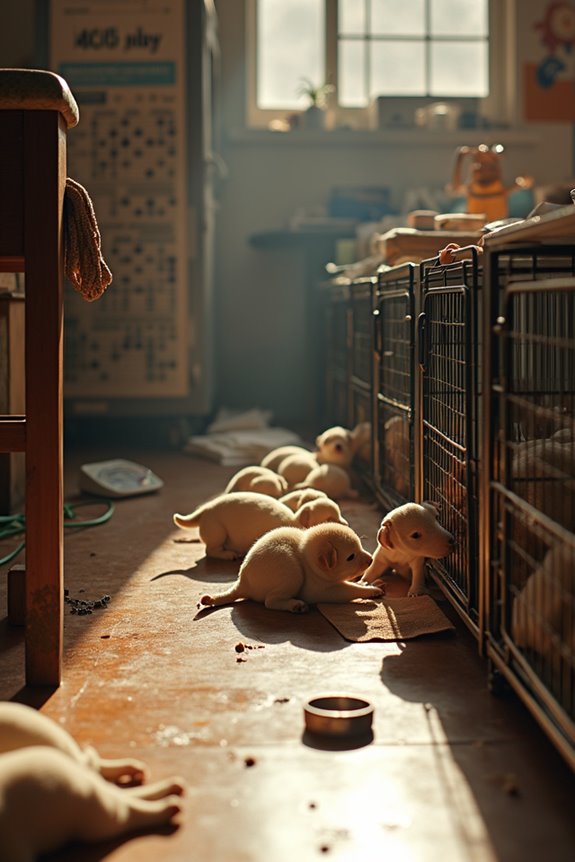
Reputable breeders keep puppies with their mothers until they reach 8 to 10 weeks old. During this time, puppies develop proper nutrition, learn bite inhibition, and gain social skills from littermates.
Backyard breeders often release puppies earlier than this recommended timeline. Their goal: breed the mother again sooner to increase profits. Early separation compromises the mother’s physical recovery and weakens the entire litter’s stability and behavior.
When you find a breeder offering puppies before 8 weeks, you’ve identified a significant red flag. This practice signals irresponsible breeding focused on quick sales rather than puppy welfare. Veterinarians and animal behaviorists consistently recommend waiting until the 8 to 10-week mark before bringing a puppy home.
Optimal Puppy Development Timeline
Reputable breeders wait until puppies reach 8 to 10 weeks old before adoption. Backyard breeders often release puppies much earlier to maximize profits. Understanding the optimal development timeline helps you identify irresponsible breeders.
Critical Experiences During Early Weeks
Puppies require specific developmental experiences in their first weeks:
Social learning from littermates and mother: Your puppy learns bite inhibition and communication skills through daily interaction with family members. This foundation shapes how your dog interacts with other dogs and people later.
Immune system development: Maternal antibodies protect puppies against illness and infection during their earliest weeks. Your puppy’s own immune system gradually takes over as maternal protection decreases.
Nutritional support: Proper weaning at 3 to 4 weeks ensures your puppy’s digestive system develops correctly. Gradually mixing puppy food with mother’s milk prevents stomach problems and supports healthy growth.
Behavioral foundation: Early weeks establish your puppy’s temperament and emotional stability. Puppies exposed to handling, sounds, and gentle play during weeks 3 through 8 adapt more easily to new environments.
Why Timing Matters
Backyard breeders prioritize quick turnaround over puppy welfare. When breeders rush the adoption process, you manage developmental delays and health issues throughout your dog’s life. Responsible breeders follow the optimal timeline because it produces healthier, better-adjusted dogs. Ask your breeder for documentation showing your puppy’s exact age and when it left its mother.
Early Weaning Health Consequences
When Puppies Need Their Mother
Puppies need to stay with their mother for 8–10 weeks. This time supports proper physical and behavioral development. Veterinarian Dr. Sarah Chen explains that this period allows puppies to build essential health foundations.
Digestive and Immune Problems
Early weaning disrupts your puppy’s developing digestive and immune systems. Puppies separated before 8 weeks lack enough passive immunity from their mother’s milk. Without this protection, your puppy faces increased risk of digestive issues and weakened vaccine response. These health gaps emerge because the puppy’s own immune system is not yet fully developed.
Behavioral and Developmental Issues
Premature separation from littermates creates behavioral problems as your puppy grows. You may observe increased fear, anxiety, inappropriate barking, and poor coping skills. Animal behaviorist Michael Torres notes that puppies learn bite inhibition and social skills during littermate interaction. Missing this critical socialization period leaves your puppy unprepared for normal dog interactions.
Long-Term Care Costs
Early weaning results in ongoing veterinary expenses throughout your dog’s life. You’ll treat preventable conditions that properly-timed weaning would have avoided. These costs accumulate significantly compared to the minimal expense of waiting the full 8–10 weeks with the mother.
Breeding Cycle Profit Motive
Backyard breeders often release puppies before 8–10 weeks to increase profits. This approach prioritizes income over puppy health and breed quality standards.
Warning Signs of Profit-Driven Breeding
When evaluating a breeder, watch for these patterns:
No waiting lists. Puppies available immediately signal the breeder focuses on rapid sales and turnover rather than careful placement.
Multiple litters per year. Female dogs bred more frequently than recommended indicate accelerated breeding cycles designed to maximize litters.
Minimal buyer screening. Breeders who ask few questions about your home or experience likely care more about completing the sale than puppy welfare.
Quick-purchase pressure. Urgency tactics—like claiming “only two puppies left” or setting short deadlines—push you toward hasty decisions without proper consideration.
Health and Behavioral Consequences
Early release prevents puppies from spending adequate time with their mothers and littermates. During weeks 8–10, puppies learn important social skills and behavioral patterns from these interactions. Puppies separated too early often develop increased health problems and behavioral issues as they mature.
Standard Practice Among Reputable Breeders
Established breeders maintain longer breeding cycles and extended placement timelines. These practices reflect a commitment to puppy development over accelerated revenue growth.
They Lack Breed-Specific Knowledge
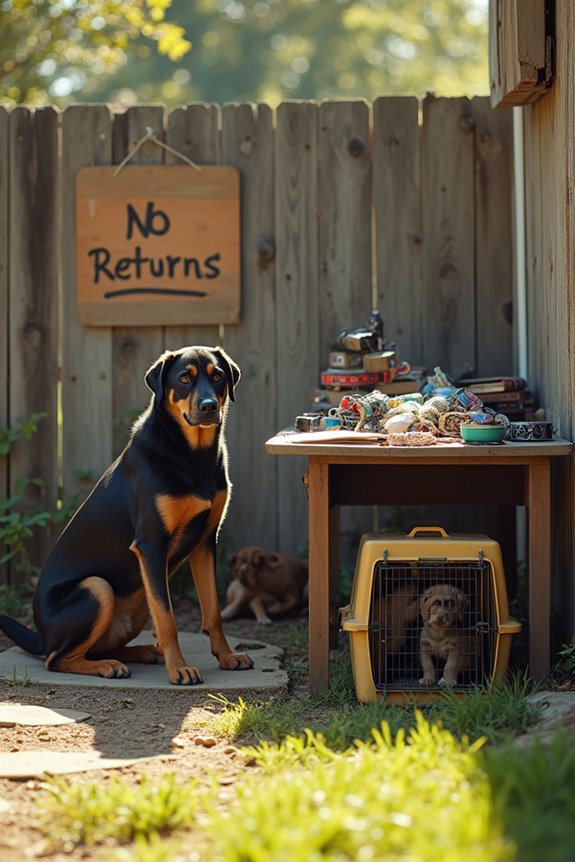
How can you tell if a breeder truly understands their breed? A backyard breeder often makes vague statements about temperament or health without supporting details.
What Real Breeders Know
Experienced breeders reference specific health data and concrete examples. They explain hip dysplasia in German Shepherds or heart conditions in Cavaliers with exact information. They discuss genetic diseases, typical age of onset, and breed-typical behaviors in detail. They can explain why their breeding choices matter to the breed’s future.
What Backyard Breeders Do Differently
Backyard breeders offer surface-level insights without evidence. They dodge questions about common breed issues. They can’t provide specifics about health problems common to the breed they’re selling.
How to Proceed
Consult experienced breeders or veterinarians for informed guidance. These professionals back their advice with knowledge and research. This approach protects you and supports ethical breeding practices in your community.
They Skip Health Testing or Rush the Sale
Responsible breeders prove their dogs’ health through documented testing. Backyard breeders often skip this step or pressure you to buy quickly.
What to watch for:
Breeders who claim health testing but won’t share documentation or OFA database verification are hiding something. Ask them directly about screenings performed on both parents. They should explain each test without hesitation.
Pressure to make an immediate purchase is a warning sign. Reputable breeders wait until puppies are at least eight weeks old and properly socialized before selling them.
CHIC numbers provide independent verification of health clearances. Responsible breeders offer these numbers freely and encourage you to verify results yourself. If a breeder refuses to provide CHIC numbers or avoids independent verification, that’s a major red flag.
Your role: Request written proof of current health clearances for both parents before you commit. Ask specific questions about which tests were done and when. Reputable breeders answer these questions directly and provide documentation without resistance. Take time to review all paperwork before making your decision.
What a Responsible Breeder Should Offer
When evaluating a breeder, check for transparent health testing results. Look for verification on the OFA website rather than relying on a CHIC number alone.
Responsible breeders provide several key services: lifetime support for your puppy, answers to questions about your lifestyle and living situation, and references from previous buyers with contact information you can actually use.
You should also request to meet both parents in person. This allows you to assess their health and temperament before you commit to purchasing a puppy.
Health Testing And Transparency
What separates responsible breeders from backyard breeders? Transparency about health testing. You need to verify that a breeder’s practices match their claims.
Responsible breeders provide these key items:
Verifiable health testing results. Ask to see test certificates directly on the OFA website rather than accepting just a CHIC number. A transparent breeder shares copies readily and explains what the results mean.
Full health clearances for both parents. You should receive documentation you can review yourself. This includes current test results covering breed-specific issues like hip dysplasia and degenerative myelopathy.
Willingness to explain their breeding decisions. A responsible breeder can discuss how health test results guide which dogs they choose to breed together.
Verify credentials yourself. Check the breeder’s CHIC number in the official OFA database on your own. Missing or incomplete health records are warning signs that you should take seriously.
This step-by-step approach protects your future pet’s wellbeing and supports responsible breeding practices in your community.
Lifetime Support And Accountability
Checking health records protects your puppy’s health right away. Responsible breeders also offer lifetime support by answering questions about behavior, nutrition, and training. You should receive a written contract that explains what the breeder will do if problems arise.
What accountability means
A reputable breeder will take your dog back or help rehome it at any point—for any reason. This protects you if your life circumstances change and you cannot keep the dog anymore.
Steps to verify accountability
Ask the breeder what happens if you cannot keep the dog. Request written details about their return policy. Contact previous buyers to learn about their experience with the breeder’s support. A responsible breeder views each dog as a lifelong responsibility, not a one-time sale.
Finding a Dog: Adoption and Rescue as Alternatives
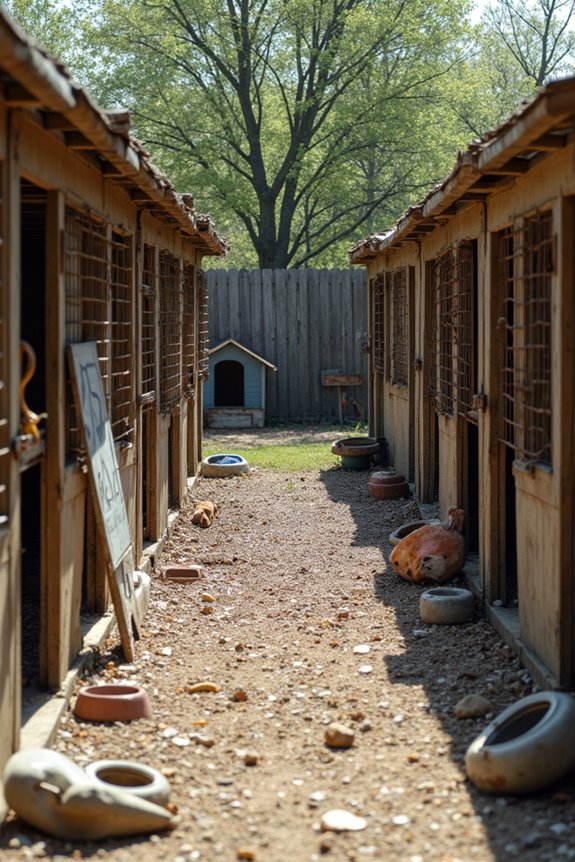
Instead of supporting backyard breeders, you have better options available to you: adoption and rescue.
Why Adoption Works
When you choose adoption, you create measurable benefits. You help reduce shelter overcrowding and decrease demand for irresponsible breeding operations. Animal welfare experts recommend adoption as the most effective way to counter backyard breeder problems.
What Adoption Provides
Adoption offers you several concrete advantages:
Health transparency: Rescue organizations document medical histories and behavioral assessments for each dog. You receive detailed records before making your decision.
Reduced shelter populations: Every adopted dog creates space for another animal in need. This direct impact matters for overcrowded facilities.
Lower breeding demand: Adoption directly counters backyard breeder operations by shifting demand away from irresponsible sources.
Support networks: Rescue groups typically offer ongoing guidance and resources after you bring your dog home. This support continues for weeks or months as needed.
The Adoption Process
Rescue organizations screen dogs thoroughly and ensure proper placements between dogs and families. You join a community committed to animal welfare. These trustworthy sources provide well-cared-for dogs with verified backgrounds and proper care histories.