
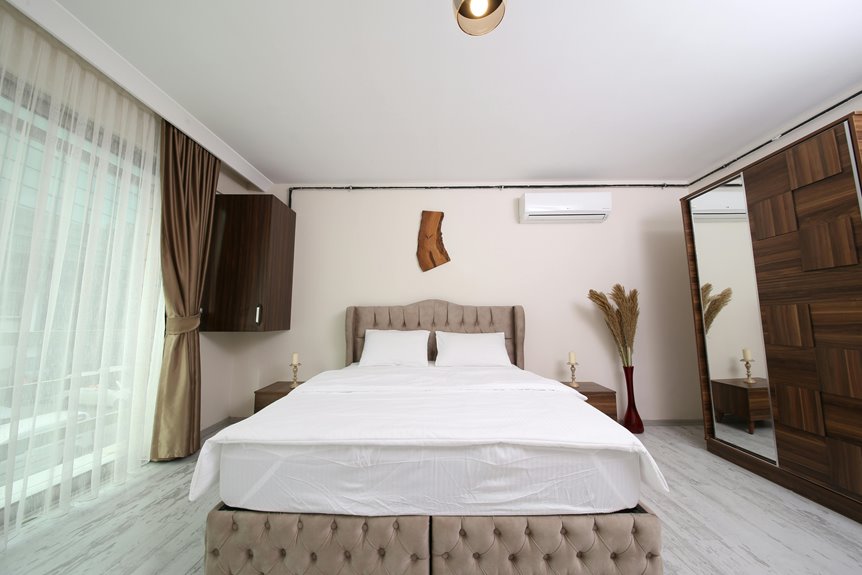
You might think your bedroom’s just a bedroom, but it could be breaking local building codes. A non-conforming bedroom doesn’t meet current standards for safety and livability. Missing egress windows, low ceilings, or absent closets create problems. Here’s what you need to know: identifying these issues affects your home’s value, legality, and your options moving forward—and the stakes matter more than you’d expect.
What Exactly Is a Non-Conforming Bedroom?
Why do some bedrooms fail to qualify as legal bedrooms? A non-conforming bedroom doesn’t meet current local building code compliance standards. You’ll find this issue frequently in basement spaces lacking proper egress—the required emergency exit route.
Common deficiencies include:
- Insufficient window size or ventilation for safe exit
- Missing closets
- Inadequate ceiling height
- Poor egress pathways
The labeling problem stems from marketing versus code requirements. Sellers might advertise a room as a bedroom, but code compliance determines its actual legal status. Your region’s specific building codes and adoption years affect these standards significantly.
This distinction matters because lenders and appraisers won’t classify non-conforming spaces as true bedrooms. Understanding these requirements protects your investment and prevents financing complications.
How Building Codes Define a Legal Bedroom?
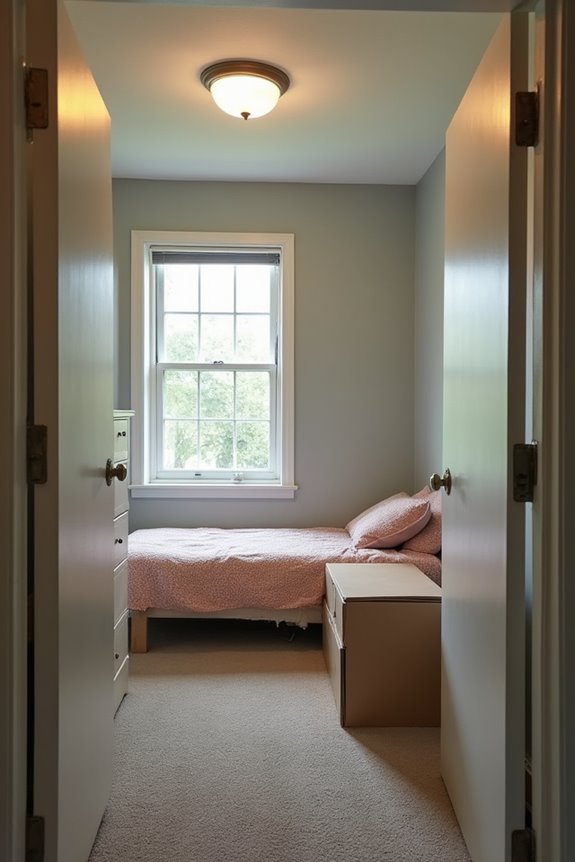
To determine if a room qualifies as a bedroom, you’ll need to check three critical building code requirements: an egress window for safe fire exits, adequate ceiling height (typically 7-8 feet), and proper dimensions meeting local standards. You must verify your jurisdiction’s specific rules, since egress windows commonly require minimum sizes around 3×4 feet for basement spaces, while closets aren’t universally mandated though many markets expect them. Your local building department can clarify whether recent code updates or amendments affect your room’s bedroom classification status.
Egress Window Requirements
When you’re evaluating whether a bedroom meets legal standards, one critical feature builders and inspectors check is the egress window. This window or exit provides a safe escape route during emergencies like fires.
Your egress window must meet specific size requirements: typically a minimum of 3 feet by 4 feet opening. The window needs to operate easily from inside without tools or special knowledge.
For a basement bedroom, you’ll need additional considerations: a properly sized window well, ladder, or permanent steps. These features ensure safe escape from below-ground spaces.
Non-conforming bedrooms often lack adequate egress solutions. Installing or upgrading an egress window costs between $750 and $1,500, sometimes reaching $2,500 with foundation work.
Meeting these requirements protects your safety and increases your home’s resale value and lending eligibility.
Ceiling Height and Dimensions
Beyond the egress window, your bedroom must meet another fundamental requirement: adequate ceiling height. Most building codes require a minimum of 7 feet throughout habitable space where you’ll spend time. Some jurisdictions allow 6 feet 8 inches for basement bedrooms or sloped ceilings. Here’s what makes this critical: rooms with ceilings significantly below these standards become non-conforming and don’t count as legal bedrooms. When part of your room has compliant height while other sections dip lower, codes may restrict that space from qualifying fully. This matters for appraisals and resale value. Always verify your local requirements, as jurisdiction-specific codes vary on minimum heights and measurement methods. Check whether your area measures gross floor area or net usable area only.
Closet and Storage Standards
Does your bedroom have a built-in closet? Most building codes require one for legal bedroom labeling. You can’t rely on an armoire or portable storage—codes demand permanent, accessible closet space built into the room itself.
Closet requirements vary by location, but they significantly impact your bedroom’s classification. Inadequate or missing storage can result in non-conforming bedroom designation, affecting appraisals, marketability, and lender approval.
| Closet Feature | Legal Requirement | Impact on Bedroom Status |
|---|---|---|
| Built-in closet | Required in most jurisdictions | Conforming |
| Armoire only | Does not satisfy codes | Non-conforming |
| No storage | Fails standards | Non-conforming |
| Inadequate size | Below code minimums | Non-conforming |
| Accessible location | Must be usable | Conforming |
Understanding these standards helps you identify non-conforming spaces before purchase or renovation.
The Five Requirements for a Legal Bedroom
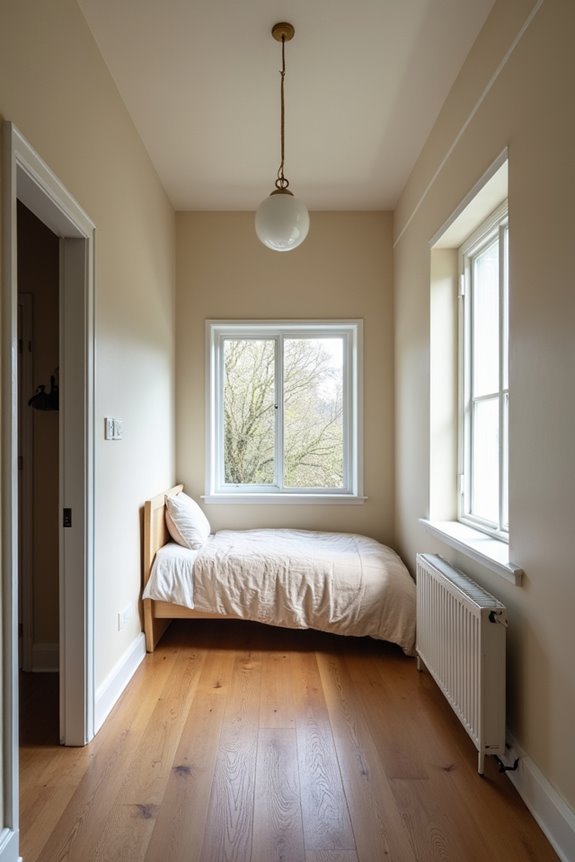
You’ll find that three critical standards separate legal bedrooms from non-conforming spaces: proper window egress for emergency escape, adequate ceiling height to prevent cramped conditions, and built-in closet space for storage. Your bedroom’s egress window must meet local codes—typically a 3×4 foot opening minimum—allowing safe exit during emergencies. You also need sufficient ceiling height, functional heating and ventilation, and compliant electrical outlets to satisfy building requirements in your jurisdiction.
Window Size And Egress
Why does egress matter so much for bedrooms? An egress window provides your emergency escape route during fires or other crises. You need proper window dimensions and accessibility to meet legality standards in your area.
Consider these critical egress factors:
- Minimum size requirements: Most codes require approximately 3 feet by 4 feet openings for safe escape
- Window wells: Basement installations need unobstructed wells with proper depth and ladder access
- Grade placement: Your window must sit at appropriate height above ground level for functionality
- Accessibility standards: The opening must allow realistic exit without obstruction or excessive difficulty
Even large windows fail if window wells are too shallow or deep. Poor placement above grade renders rooms non-conforming. Check your local building codes for exact egress window specifications. These requirements directly impact your bedroom’s legality status.
Ceiling Height Requirements
Adequate headroom isn’t just about comfort—it’s a legal necessity for bedroom classification. You’ll need to verify your space against local building code standards. Most jurisdictions require a minimum height of 7 feet throughout the room.
| Space Type | Minimum Height | Classification |
|---|---|---|
| Main bedroom | 7 feet | Conforming |
| Attic bedroom | 6.5-7 feet | May be non-conforming |
| Basement bedroom | 7 feet | Conforming if met |
Spaces below the minimum height requirement become non-conforming vs conforming bedrooms. You should measure your ceiling height at multiple points across the room. Sloped ceilings in attics present particular challenges for compliance. Check your local building code requirements before finalizing any bedroom designation. Low headroom significantly impacts usability and legal bedroom status.
Closet And Storage Standards
What counts as proper bedroom storage? You’ll need built-in closet storage that meets bedroom standards, not just freestanding furniture. Here’s what qualifies:
- Permanent closet space attached to the room’s wall
- Minimum depth and width dimensions (typically 24 inches deep)
- A functional rod or shelving for hanging clothes
- Direct access without passing through other rooms
Non-conforming bedrooms often lack adequate closet storage. A freestanding armoire doesn’t satisfy building codes. You must have integrated storage solutions within the bedroom itself.
Building officials inspect closet dimensions carefully during bedroom certification. This requirement works alongside egress window and ceiling height standards. Together, these elements determine whether your space meets legal bedroom standards or remains non-conforming. Proper closet storage protects your home’s resale value and safety compliance.
Why Egress Windows Matter Most
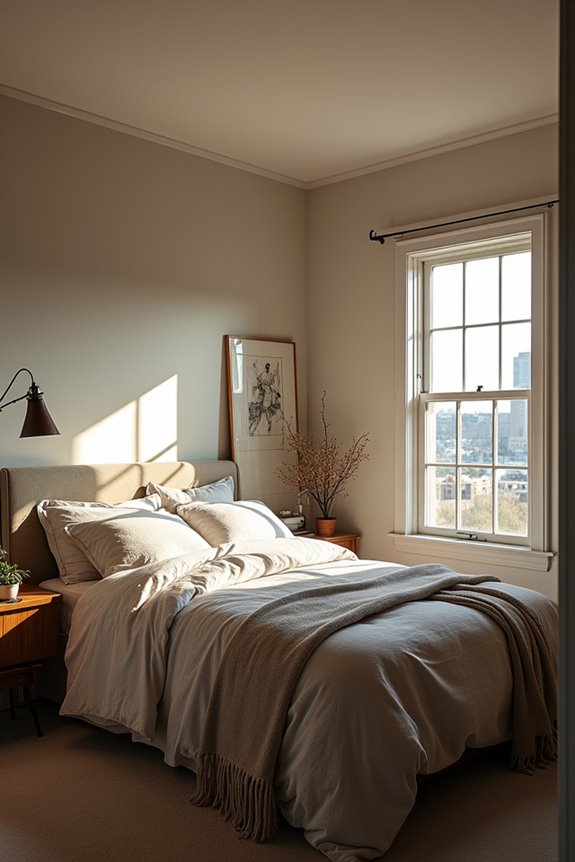
Ever wondered what separates a legal bedroom from a non-conforming space? Egress windows are the critical difference. You need them to create a legal basement bedroom under building codes.
These windows provide your only emergency exit during a fire. Without one, your bedroom doesn’t meet code requirements. You’ll face problems with financing, insurance, and home value.
| Requirement | Standard | Impact |
|---|---|---|
| Minimum size | 3 feet × 4 feet | Meets code compliance |
| Installation cost | $750–$1,500 | Budget consideration |
| Legal status | Required | Non-conforming without |
Your jurisdiction has specific egress window rules. You must verify local codes before installation. Meeting these standards protects your family and your investment. A proper egress window transforms your basement into a legally recognized bedroom space.
Ceiling Height, Closets, Windows, Heat, and Electrical: Full Checklist
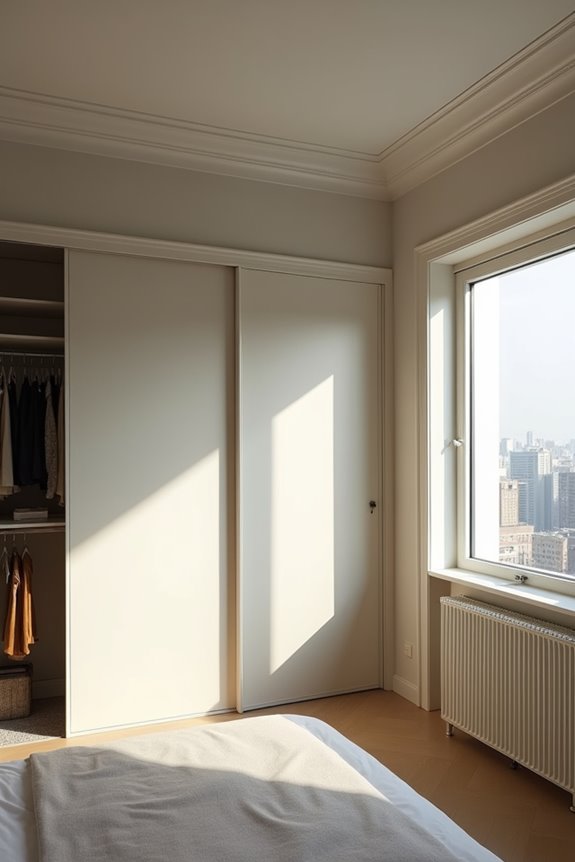
Beyond egress windows, you’ll need to check five more essential features to determine if a bedroom’s conforming or non-conforming.
Complete your evaluation using this checklist:
- Ceiling Height – Verify you’ve got at least 7 feet of clearance in most areas; sloped ceilings have limited exceptions under local codes.
- Closet or Storage – Confirm a built-in closet exists; armoires don’t satisfy code requirements in most jurisdictions.
- Windows and Ventilation – Ensure operable windows provide fresh air circulation beyond your egress windows.
- Heat and Electrical Outlets – Check that heating reaches the room and sufficient electrical outlets meet livability standards.
A room lacking even one element may qualify as non-conforming regardless of how functional it feels to you. Local codes establish these requirements for safety and livability.
Bedroom Standards Vary by Region?

You’ve now reviewed the core checklist—ceiling height, closets, windows, heat, and electrical outlets—that separates conforming bedrooms from non-conforming ones.
Here’s the critical reality: bedroom standards aren’t universal. Your region’s building codes determine what legally qualifies as a bedroom, meaning standards differ appreciably across locations.
Regional codes shape everything. Some jurisdictions require egress requirements like basement windows measuring 3×4 feet minimum. Others impose stricter closet rules or ceiling heights. Your area might allow non-conforming rooms that neighboring regions wouldn’t accept.
This creates practical challenges. Real estate professionals and inspectors sometimes disagree on whether a space qualifies as a bedroom. A room marketed as a bedroom in one jurisdiction might legally be labeled a non-conforming room elsewhere.
Your next step matters: consult your local building department. Current regional codes and a licensed professional ensure accurate bedroom classification for your specific property and location.
Red Flags That Signal a Non-Conforming Bedroom
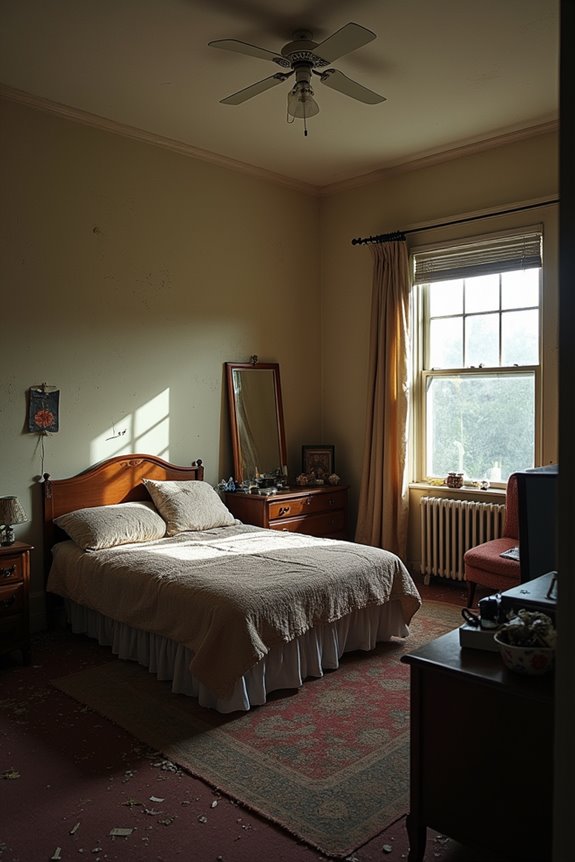
What makes a bedroom fail to meet code requirements? Several warning signs indicate your room doesn’t meet current code compliance standards. You’ll want to watch for these specific issues:
- Inadequate egress windows – Windows that are too small, positioned too high, or lack proper escape routes
- Basement locations – Below-grade rooms with limited natural light and challenging emergency exits
- Insufficient ceiling height – Spaces with low overhead clearance that restrict usability and safety
- Poor ventilation systems – Rooms lacking adequate heating, cooling, or air circulation
You should also notice awkwardly placed window wells, high sills preventing easy exit, and inadequate closet space. These issues create non-conforming bedroom designations that affect appraisals and financing options.
Inspectors and brokers may label rooms inconsistently, so understanding these markers helps you evaluate properties accurately and make informed decisions.
Basement Bedrooms and Non-Conformity: What’s the Connection?
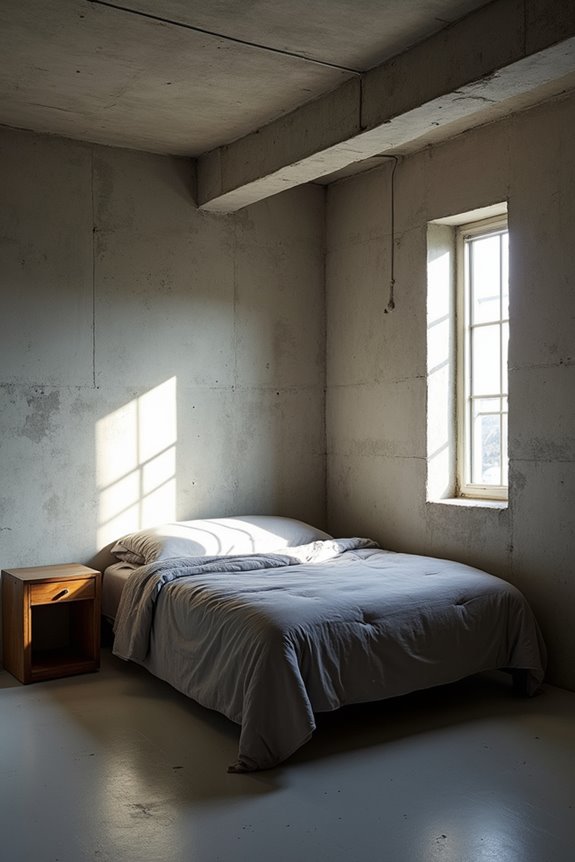
Why do basement bedrooms so often fail code requirements? The primary culprit: inadequate egress. Your basement bedroom needs a proper escape route—typically a window measuring at least 3 feet by 4 feet that you can open quickly during emergencies.
The Egress Challenge
Small, high-placed windows don’t cut it. They violate code compliance standards in most jurisdictions. Installing proper egress windows costs $750 to $2,500, transforming non-conforming spaces into legal bedrooms.
Beyond Windows
Egress alone won’t suffice. Your basement bedroom requires adequate ceiling height, working ventilation, heating access, and proper electrical systems. Real estate appraisers flag basement rooms lacking these features as non-conforming, affecting your home’s marketability and value significantly.
What Does It Actually Cost to Fix a Non-Conforming Bedroom?
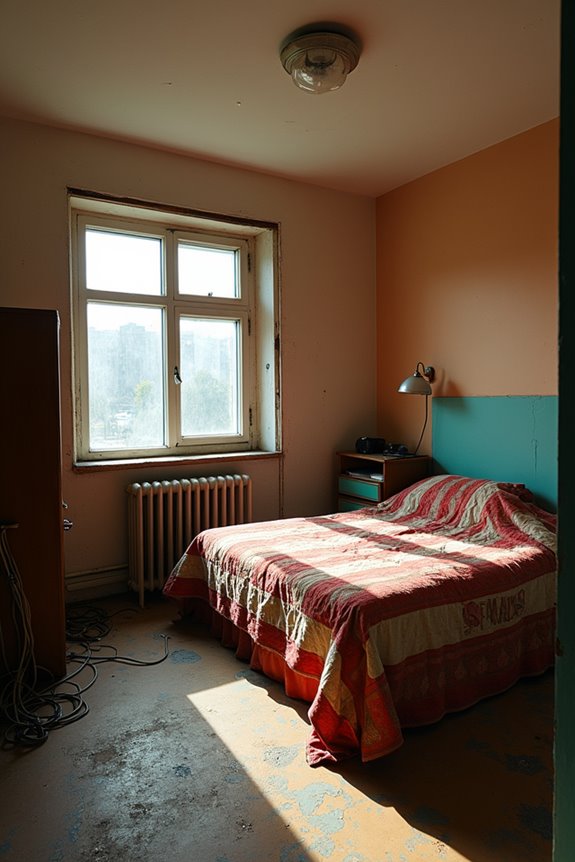
You’ll face two major expense categories when fixing a non-conforming bedroom: egress window installation and full renovation costs. Egress windows alone typically run $750 to $1,500, though larger installations can reach $2,500 with structural work included. Complete conversions—adding closets, finishing work, permits, and inspections—generally cost several thousand dollars to $10,000+, depending on your specific requirements and market conditions.
Egress Window Installation Expenses
If you’re fixing a non-conforming bedroom, an egress window isn’t optional—it’s a code requirement that comes with a real price tag.
Installation Cost Breakdown
You’ll typically spend between $750 and $1,500 for a basement bedroom egress window. Some projects reach $2,500 depending on your situation. Here’s what influences your final cost:
- Foundation type (concrete, stone, or brick)
- Window well depth and drainage requirements
- Accessibility and trimming needs
- Permits and finishing work inside
What You’re Actually Paying For
The price covers cutting a new opening, installing the window well, grading properly, and ensuring drainage meets code. You’ll need permits to proceed legally. Hiring a licensed contractor ensures your installation passes inspection and remains eligible for resale or financing later.
Full Conversion and Renovation Costs
Converting a non-conforming bedroom into a legal, code-compliant space costs substantially more than installing an egress window alone. You’re looking at $5,000 to $15,000+ for all-encompassing renovation costs.
Your project includes several components: egress window installation ($750–$2,500), room reconfiguration, ventilation upgrades, heating systems, and structural work. Permits and labor vary by region, adding significant expenses.
Additional considerations expand your budget:
- Dedicated bathroom or separate living area enhancements
- Sewer or drainage improvements
- Framing, drywall, and flooring finishes
- Window wells and foundation access work
Timeline expectations: basic upgrades take 1–4 weeks; larger non-conforming bedroom conversions require 6–12+ weeks due to permits and complex code compliance.
Budget strategically. Plan for regional variations and permit requirements before starting your renovation.
How Non-Conforming Status Affects Property Value
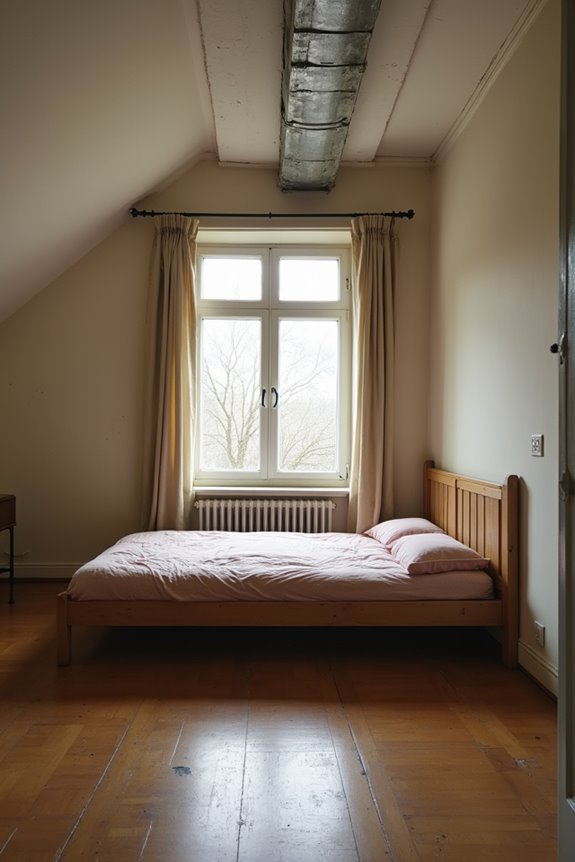
Why does a non-conforming bedroom matter so much to your home’s worth? Your property’s value depends on what buyers and lenders accept as legitimate bedrooms. Non-conforming spaces create measurable financial consequences:
- Reduced comparable values—appraisers adjust prices downward for non-conforming bedrooms
- Lower financing terms—lenders treat these rooms as separate living areas, affecting loan-to-value ratios
- Limited marketability—buyers hesitate due to legality and safety concerns
- Decreased resale price—non-conforming status compounds market perception issues
Converting a non-conforming bedroom requires adding an egress window or proper closet. These improvements restore value and marketability. However, weigh renovation costs against anticipated gains carefully.
Disclosure of non-conforming status remains essential. Misrepresentation risks legal penalties and erodes buyer confidence, ultimately impacting your sale velocity and achievable price significantly.
Disclosure Requirements for Buyers and Renters
When you’re selling a home or renting out a property, you’ll need to disclose non-conforming bedroom status to protect yourself legally. Most jurisdictions require clear disclosures about rooms that don’t meet current building codes.
Disclose non-conforming bedrooms when selling or renting to meet legal requirements and building code standards in your jurisdiction.
Your disclosures should address key safety issues: proper egress (emergency exits), functioning smoke detectors, and adequate ceiling height. These factors determine whether a room qualifies as a conforming bedroom.
Be specific in your documentation. Note which bedrooms are non-conforming and why. Include potential implications for financing and renovation costs to convert the space into a conforming bedroom.
Agents and sellers who fail to disclose face serious legal liability and penalties. Transparent communication protects everyone involved and builds trust with buyers and renters seeking complete property information.
Repurpose: Home Office, Gym, or Flex Space
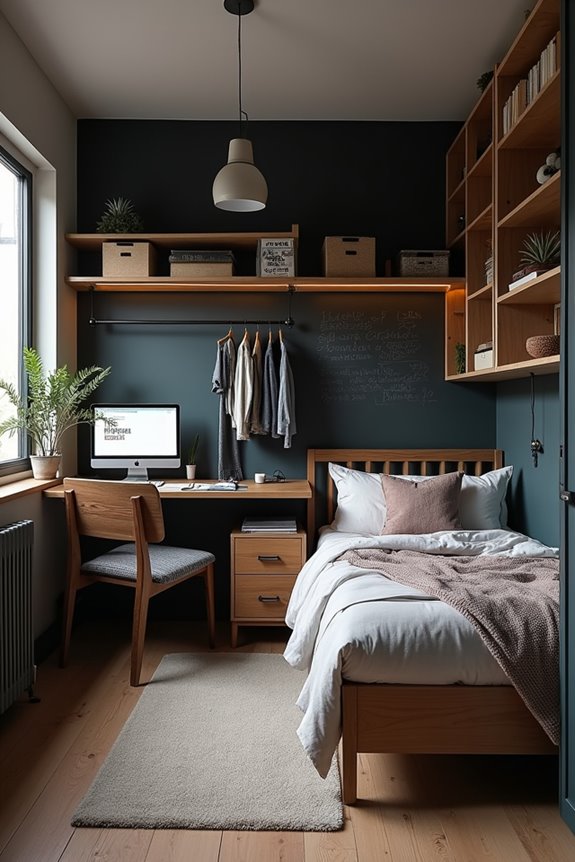
Rather than pursuing expensive bedroom compliance upgrades, you can strategically convert your non-conforming bedroom into a home office, gym, or flexible multipurpose space that maximizes your existing square footage. This approach lets you capitalize on the room’s current layout—adding features like built-in storage, dedicated outlets, and improved lighting—while sidestepping full bedroom code requirements. You’ll need to assess egress, ventilation, and safety constraints first, then document all renovations with permits to support your home’s value during resale.
Converting Space Strategically
How can you transform a non-conforming bedroom into a room that works harder for your home?
Strategic conversion maximizes your space’s potential without requiring expensive structural changes. Focus on these upgrades:
- Install proper egress windows or doors meeting local codes
- Upgrade lighting with layered fixtures and task lighting
- Improve climate control through better insulation and ventilation
- Add electrical outlets and safety features like smoke detectors
A basement conversion benefits from similar priorities. You’re creating functional flexibility rather than chasing bedroom status.
Document all work with licensed contractors. Post-renovation inspections establish compliance and support future appraisals.
Market your space honestly as a bonus room or home office. Strong egress, adequate lighting, and safety upgrades build buyer confidence. This approach preserves value while meeting realistic expectations for your non-conforming space.
Adding Value Without Compliance
If you’re not ready to invest in bedroom compliance upgrades, repurposing your non-conforming space offers a practical alternative.
Strategic Repurposing Options
Convert your basement or extra room into a home office, gym, or flex space. This approach preserves usable square footage while avoiding immediate egress and code-compliance costs. You’ll maintain functionality without expensive renovations.
Enhancing Perceived Value
Upgrade the area strategically: install improved lighting, add insulation, and finish surfaces professionally. These enhancements boost appeal without addressing non-conforming status directly.
Marketing Your Flexibility
Advertise the space’s versatility to attract tenants or buyers seeking adaptability. Emphasize potential uses: workspace, workout room, hobby area. Clearly disclose the non-conforming status and explain any safety or egress limitations. Transparent communication manages expectations while showcasing the space’s genuine value as a flexible, functional room.
Convert, Repurpose, or Sell: Your Options
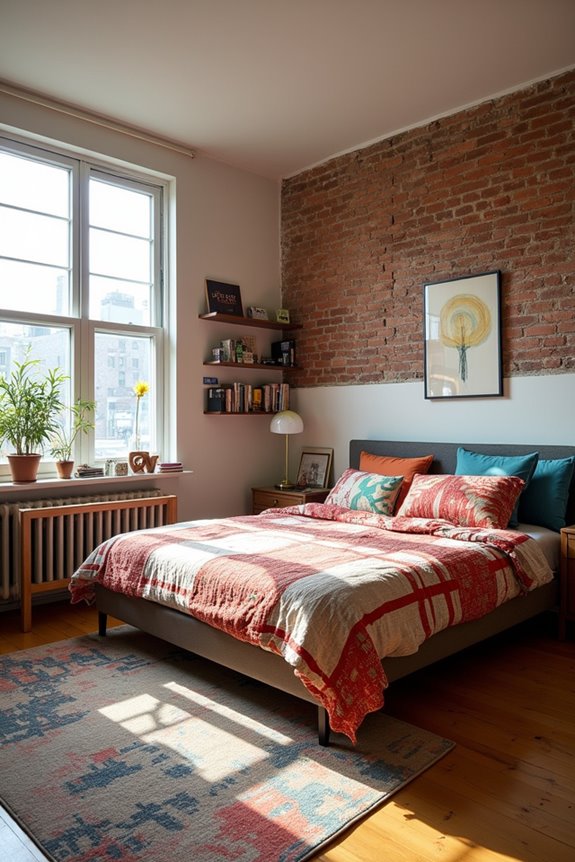
Once you’ve identified a non-conforming bedroom, you’re facing three distinct paths forward: convert it to meet code, repurpose it for a different use, or sell the property as-is.
Your Three Main Options:
- Convert to compliance: Install egress windows ($750–$2,500), adjust ceiling height, and add proper closets. This path requires contractor coordination and code verification.
- Repurpose the space: Transform it into a home office, gym, den, or storage area. This maximizes utility without conversion costs.
- Sell with disclosure: Highlight existing features like separate entrances or nearby bathrooms. Buyers seeking flexibility often value properties honestly marketed.
Critical step: Full disclosure documentation notes current non-conformity and potential appraisal impacts. This transparency builds trust and protects you legally while helping buyers make informed decisions about their investment.
When to Hire an Inspector vs. a Contractor
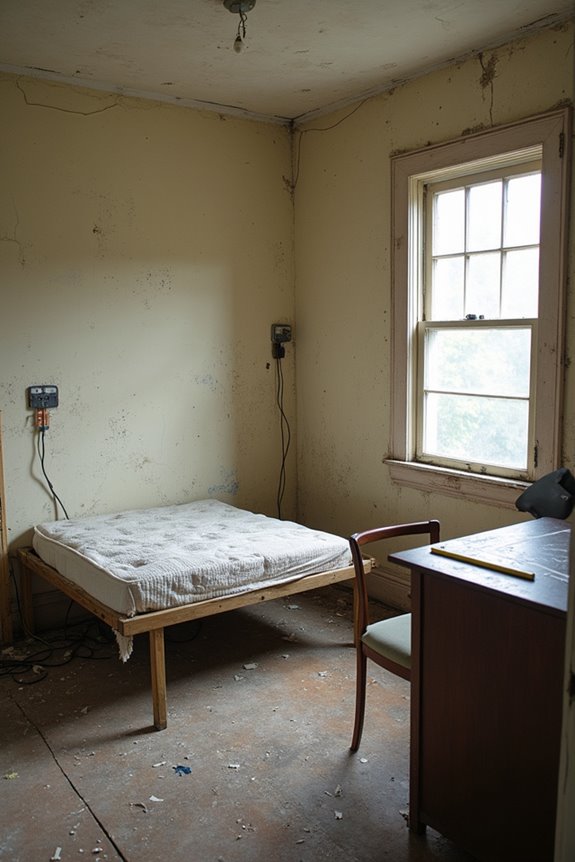
The practical sequence: Start with an inspector to establish your baseline compliance status. Use their findings to budget repairs. Then engage a contractor to bring your non-conforming bedroom into code compliance.