
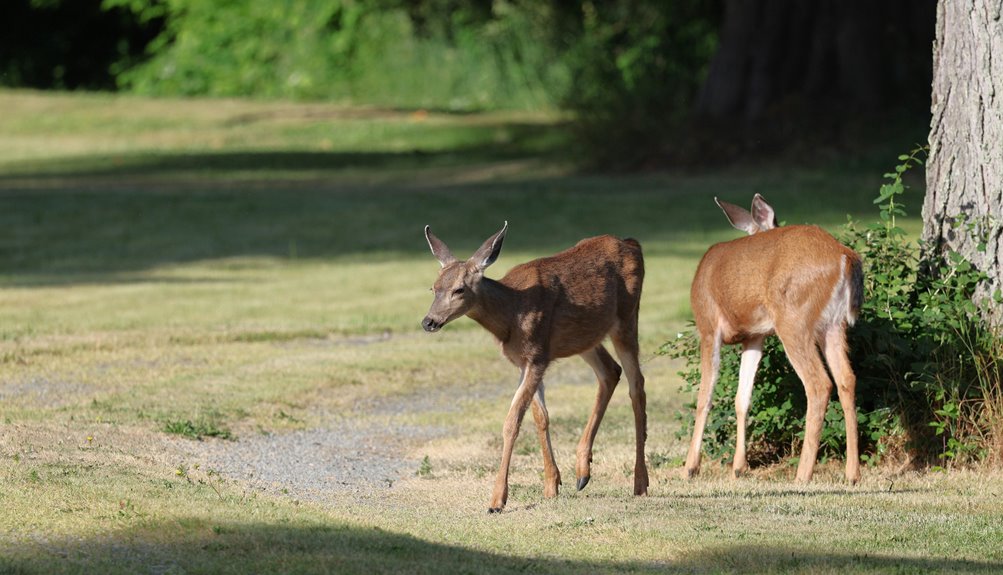
Check Local Laws Before Feeding
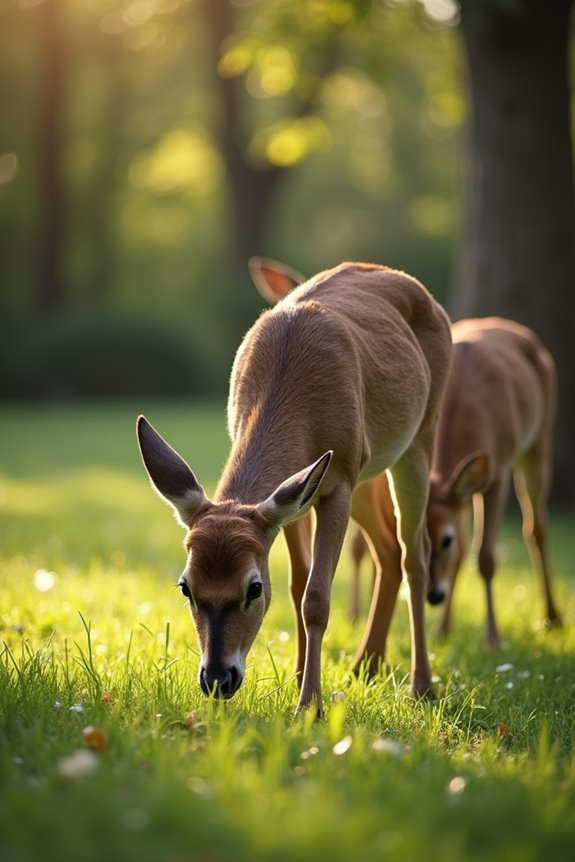
Why Local Laws Matter for Deer Feeding
Wildlife feeding regulations vary significantly between cities, counties, and states. Your area’s rules may differ completely from a neighboring region’s approach.
Wildlife feeding regulations vary significantly between cities, counties, and states—your area’s rules may differ completely from neighboring regions.
Some jurisdictions prohibit all wildlife feeding. Others allow feeding only during certain months or cap the amount you can provide. These restrictions exist to prevent ecological damage and community safety problems.
Finding Your Local Requirements
Start by researching your specific area’s wildlife feeding rules online. Contact your local wildlife agency directly for complete information. Ask about: permit requirements, allowed feeding seasons, quantity limits, and approved food types.
Wildlife biologist Sarah Chen recommends calling during business hours to speak with an official. This ensures you receive accurate, current information rather than relying on outdated guidelines.
Document everything your local agency tells you. Write down the specific restrictions that apply to your property and situation.
Following the Rules
Compliance protects you from fines and penalties in your community. It also reduces unintended changes to deer behavior and local ecosystems. Your feeding practices will align with your community’s broader wildlife management strategy.
Natural Woody Browse: The Best Winter Feed for Deer
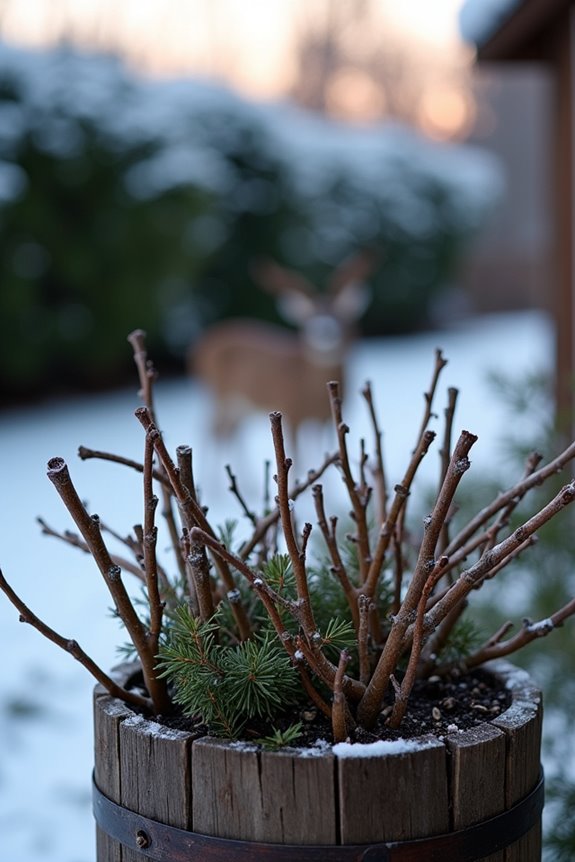
Deer have evolved to survive winter on natural vegetation found in their environment. Woody browse—the buds and twigs from shrubs and trees—remains their ideal winter food source. This browse provides high-fiber, low-energy nutrition that deer need during cold months.
Making Browse Accessible
You can make woody browse more accessible through breaker-cutting methods. The two main techniques are hinge-cutting and limb dropping. Both methods place buds and twigs within reach without changing deer’s natural diet. These techniques support deer’s digestive systems better than introducing unfamiliar foods.
Wildlife biologist recommendations suggest using hinge-cutting on trees between 2 and 6 inches in diameter. This creates a bent stem that continues living while lowering branches. Limb dropping involves cutting branches 6 to 8 feet long and placing them on the ground. Space your cuts about 20 feet apart to avoid over-harvesting one area.
Supplemental Feeding During Severe Winters
If supplementing becomes necessary during severe conditions, prioritize woody browse over high-energy feeds. Deer’s digestive systems function best with their traditional diet, which minimizes stress. Should you introduce new foods, do so gradually and in small amounts over two to three weeks. This approach keeps your local deer population healthy and naturally adapted to their environment.
When Deer Need Supplemental Feeding
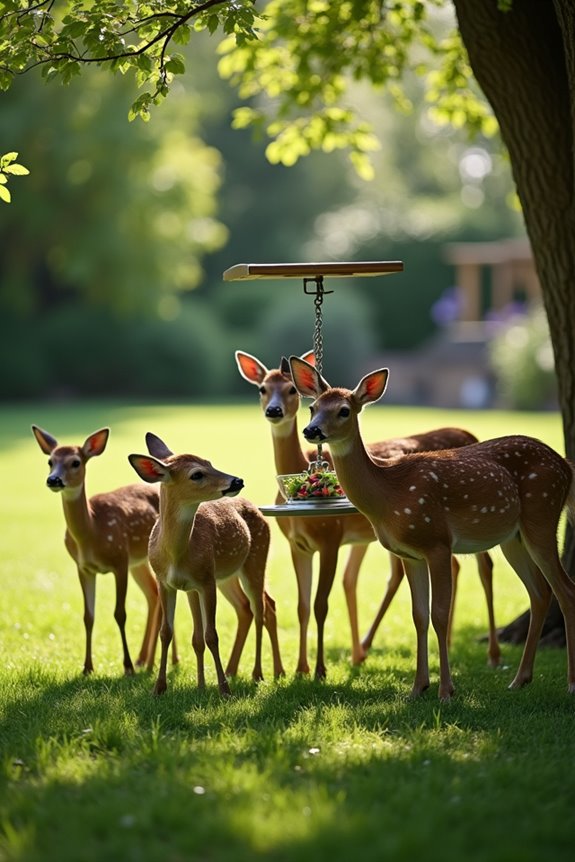
You’ll need supplemental feeding when severe winter conditions eliminate natural food sources in your area. Deep snow, ice, and frozen vegetation make adequate nutrition difficult for deer during late winter months.
Introduce high-fiber, low-protein supplements gradually to prevent digestive upset. Wildlife biologists recommend starting with small amounts mixed into their existing diet over a two-week period. This transition allows their digestive systems to adapt to the new food source without stress or illness.
Your supplement choices should include hay, alfalfa pellets, or specialized deer pellets available at farm supply stores. Avoid corn and other high-protein grains, which can cause serious digestive problems during winter feeding. The solution: stick to roughage-based products that match what deer naturally eat in winter months.
Set up feeding stations in consistent locations where deer can access food safely. Place supplements on the ground or in low troughs, keeping feeding areas at least 150 feet from your home to maintain natural behavior patterns.
Severe Winter Conditions
When harsh weather arrives, deer lose access to natural food sources and face nutritional stress. You’ll need to provide supplemental feed to support their health.
What to Feed Deer in Winter
Woody browse—buds and twigs from trees and shrubs—should be your primary supplemental feed. Deer naturally digest this food during cold months, making it ideal for winter nutrition.
How to Provide Woody Browse
Break branches from accessible trees or prune limbs strategically from your property. Leave pruned branches in scattered piles around your land to encourage natural foraging behavior.
Where to Place Feed
Distribute supplemental feed across multiple distant locations on your property. Wildlife biologist recommendations suggest spacing feeding sites at least 100 to 200 yards apart. This approach reduces predation risk from coyotes and prevents dangerous deer congregation in single areas.
Feeding Consistency
Maintain winter browse quality throughout the cold season rather than introducing high-energy feeds suddenly. The key strategy: transition deer gradually to new feed types. Gradual supplementation prevents digestive upset and supports deer health through winter conditions.
Natural Food Scarcity
Recognizing When Deer Need Help
Deer need assistance when winter eliminates local plants and natural food sources. You’ll see deer visiting your property more often, looking for food. This signals that natural vegetation has become too scarce to sustain them.
Choosing the Right Feed
Select energy sources that match what deer find in nature. Acorns, grasses, and shrubs are foods deer naturally prefer and seek out. Wildlife biologist David Hewitt recommends hay and plant-based supplements when local vegetation runs low. Introduce new feed types gradually over 7 to 10 days to prevent digestive problems in deer.
Setting Up Feeding Stations
Space multiple feeding locations at least 50 feet apart across your property. This separation reduces conflict between deer and decreases predator attraction to concentrated areas. Place stations near natural cover such as trees or brush for deer security. Check on your deer every 3 to 5 days and adjust feed types based on their condition and what they’re actually eating.
Skip the Corn: Why It’s Junk Food for Deer
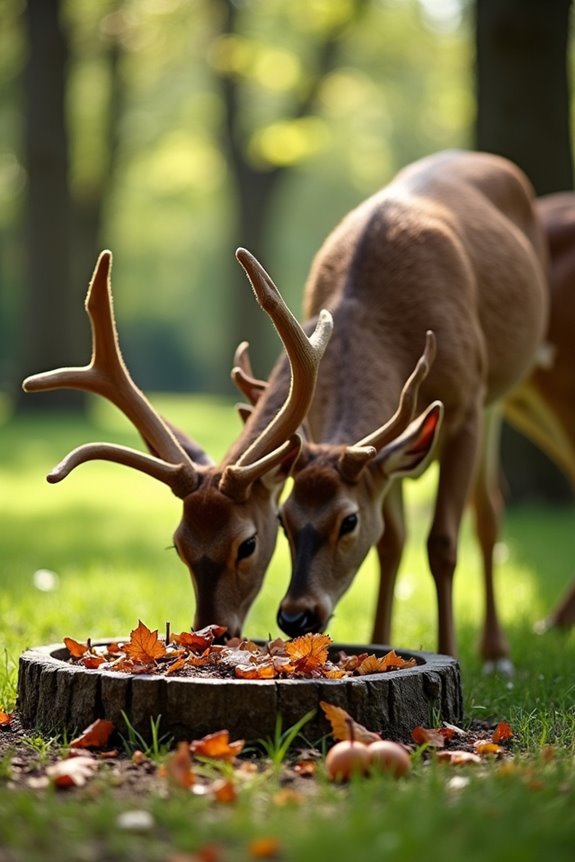
Corn might seem like a good choice for feeding deer, but it creates real problems. When deer eat corn, it disrupts the microbes living in their rumen, which is part of their stomach. This disruption causes serious digestive issues, including severe diarrhea that weakens the animal.
Wildlife biologist Dr. James Patterson explains that deer stomachs evolved to process fibrous plants, not grain. The solution: offer foods that match what deer naturally eat in the wild. Better feeding options include browse (leaves and twigs), nuts, and specially formulated high-protein feeds designed for deer nutrition.
Your local deer population benefits from this approach. High-quality alternatives support their digestive health and prevent malnutrition that can occur when deer rely on improper foods. By choosing appropriate feeds, you contribute to stronger, healthier deer in your area.
Corn Disrupts Rumen Health
Why Corn Creates Digestive Problems for Deer
Corn damages deer digestive systems because it doesn’t match their natural diet. Deer rely on specialized rumen microbes to break down plants they eat naturally. Corn is high in carbohydrates and low in fiber, which disrupts this balance.
How Corn Causes Specific Problems
When you feed corn to deer, you create these issues:
- Rumen microbes cannot process corn efficiently, causing fermentation problems inside the stomach.
- The microbe imbalance leads to severe diarrhea and dehydration in the animal.
- Corn provides quick energy but lacks nutrients for long-term health and survival.
Wildlife nutrition specialist Daniel Baker explains that sustained corn feeding causes malnutrition even when food appears available.
Better Feeding Approaches
Your backyard deer need food matching their natural diet: browse plants, acorns, and native vegetation. If you must use corn, limit it to no more than 10 percent of their daily food intake. Introduce any new food gradually over 7 to 10 days to allow rumen microbes to adjust.
The solution: switch to deer-appropriate alternatives like alfalfa hay, clover, or specially formulated deer pellets designed for rumen health.
Natural Diet Alternatives Available
Rather than feeding your backyard deer corn, you should encourage natural food sources on your property instead.
Browse and Mast Options
You’ll find two main natural food types for deer: browse and mast. Browse consists of leafy woody plant parts that provide essential fiber for digestion. Mast includes acorns, hickory nuts, and black walnuts, which offer protein supporting rumen health and winter survival. These foods match what deer naturally consume in the wild.
Seasonal Feeding Approach
Wildlife biologist recommendations suggest adjusting food availability by season. During spring and summer, provide high-fiber forage like clover and native grasses. In fall, shift toward energy-dense mast and woody browse to help deer build fat reserves before winter.
Creating a Sustainable Feeding Environment
You can plant native trees and shrubs on your property: oak varieties for acorns, hickory for nuts, and dogwood for browse. Avoid processed supplements that can disrupt deer digestion. Native plantings create year-round natural food sources without requiring ongoing intervention or additional feeding.
Protein-Rich Supplemental Options Instead
Corn doesn’t belong in a deer’s diet, despite its popularity at backyard feeding stations. You’ll find better alternatives that support rumen health and winter preparation.
Protein-rich supplements at 12–16% optimal levels help deer build muscle and maintain digestion. Wildlife nutritionists recommend choosing feeds specifically formulated without shelled corn or sugar. These options prevent severe diarrhea and dehydration that can harm deer during winter months.
Your best feeding choices include:
Acorns and hickory nuts: Natural, fiber-rich protein sources that deer consume seasonally in the wild.
High-protein commercial feeds: Products formulated to support rumen function without starch-heavy grains causing digestive upset.
Scattered nuts at designated stations: This approach encourages natural foraging behavior while providing essential nutrients.
Establish feeding stations throughout your yard with appropriate items spread across the area. Position stations at least 50 feet apart to reduce competition and stress among deer. This setup supports rumen function while helping deer prepare for harsh winter months.
High-Protein Nuts and Seeds: Safe Feeds for Backyard Deer
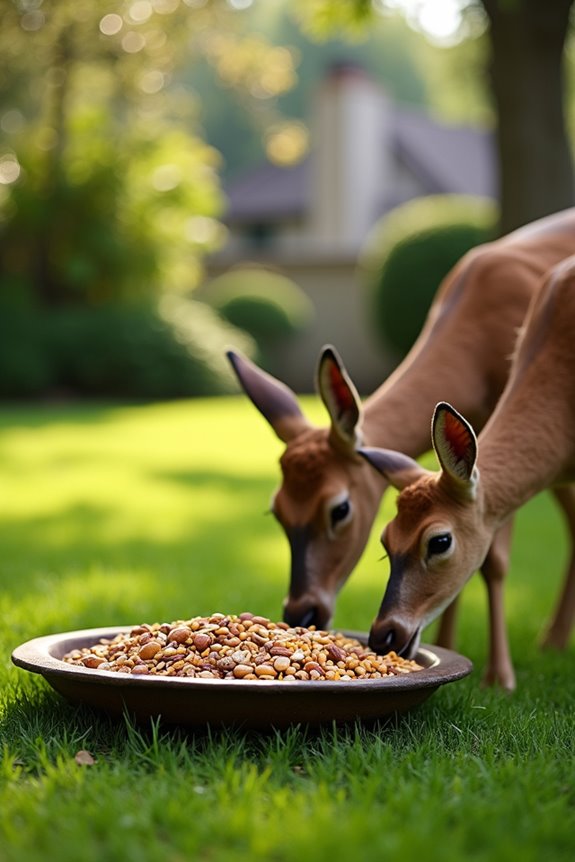
Deer need extra protein during winter months to maintain body condition. Nuts and seeds provide this essential nutrition when natural food sources become scarce. Acorns and hickory nuts deliver excellent natural nutrition for winter feeding.
Choose the right feed options. You should avoid shelled corn and human-grade nut mixes with additives. Wildlife nutritionists recommend peanut-based feeds like “Peanut Pickouts” for lower chemical content. These products support fat reserves and muscle development when temperatures drop.
Set up feeding stations properly. Position your stations strategically so deer access nutrient options easily. The goal: minimize waste and prevent competition among animals. Space multiple stations at least 50 feet apart to reduce crowding.
Create balanced winter nutrition. Seeds and nuts should supplement your feeding program rather than serve as the only food source. Combine nuts with hay and other supplements to meet your deer’s complete nutritional needs. This balanced approach keeps your herd healthy throughout the cold season.
Hardy Produce Options: Apples, Root Vegetables, and Long-Lasting Fruits
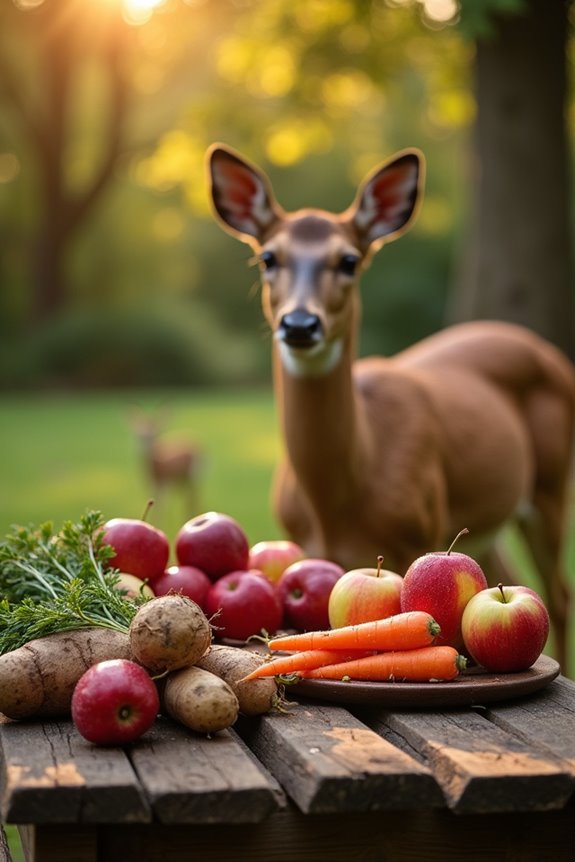
Winter Deer Feeding with Hardy Produce
How to Choose the Right Foods
Supplementing winter deer diets requires careful produce selection. You should focus on hardy options that support nutrition without causing digestive problems.
Wildlife nutritionists recommend offering apples only as occasional supplements, not primary food sources. Limit apple quantities to prevent overfeeding, which can upset a deer’s digestive system.
Root vegetables like carrots, beets, and turnips attract deer effectively. These foods last longer than soft fruits, reducing spoilage during winter storage and feeding.
Implementing Your Feeding Strategy
Dried or stored fruits extend your feeding periods when fresh food becomes scarce. You can prepare these in advance for winter months.
The key to preventing digestive upset: introduce any new food gradually over two to three weeks. Start with small amounts, then slowly increase portions as the deer adjust.
Combine hardy produce with natural forage available in your area. This approach balances your deer’s nutritional needs while maintaining their rumen health.
Mineral Blocks and Safe Feeding Station Setup
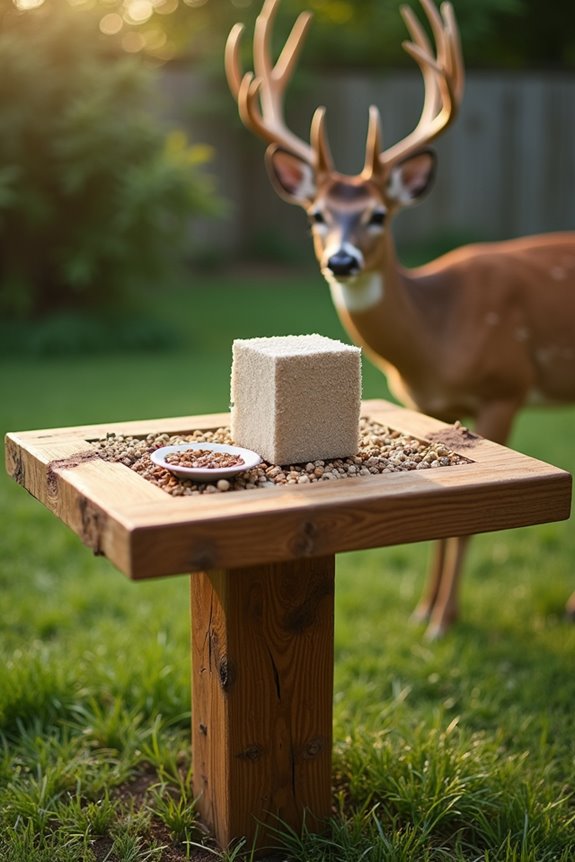
Mineral Blocks and Safe Feeding Station Setup
Essential nutrients become scarce during winter months, making mineral supplementation necessary for deer health. You’ll want to scatter mineral blocks throughout your yard strategically.
Winter depletes essential nutrients for deer, making strategic mineral block placement throughout your yard necessary for herd health.
Placement Strategy: Position feeding stations at multiple locations to prevent deer from concentrating in single areas. This reduces predator attraction risks. Space blocks at least 50 yards apart across your property.
Block Selection: Choose compressed mineral blocks designed specifically for deer. These provide essential salts, phosphorus, and trace minerals your local herd needs.
Integration Approach: Combine mineral blocks with natural plants nearby. The solution: this creates balanced nutrition without relying solely on supplements.
What to Avoid: Don’t use loose feed or corn-based products. Starch-heavy foods cause digestive problems in deer, so mineral blocks remain your best option.