
You’ll want to know five standard living room dimensions: the 3.6 × 4.2 meter starter size, medium 4.5 × 5.5 meter layouts, and larger 5.4 × 6.0 meter spaces. Each aligns with 60-centimeter tile grids, reducing cuts and costs.
Apartments work best at 170–215 square feet; family homes need 270–320 square feet; luxury spaces stretch beyond 350 square feet. Match your dimensions to daily activities and traffic patterns.
Understanding how ceiling height and furniture scale interact within these standards reveals why specific proportions improve function.
The 3.6 × 4.2 Meter Standard: Why This Dimension Works for Most Homes
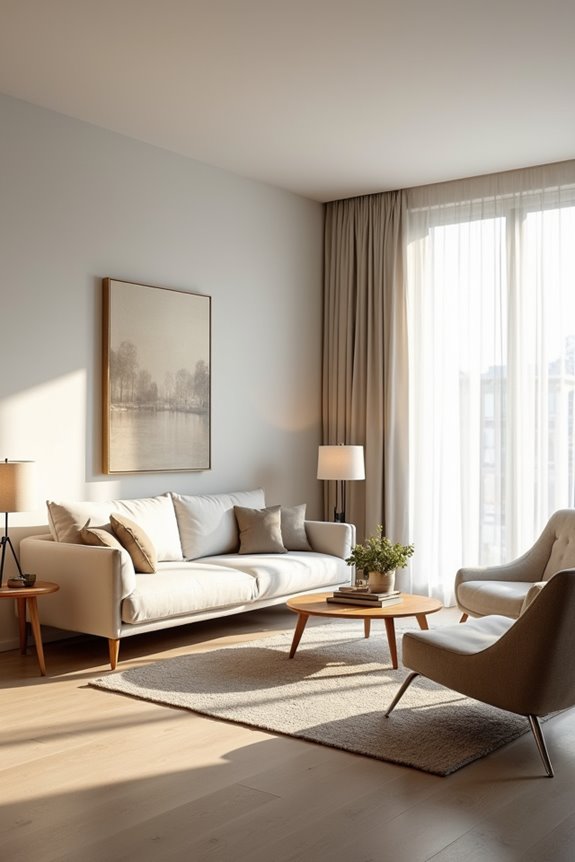
Why do architects keep suggesting the same room dimensions? The 3.6 × 4.2 meter standard dimension offers practical benefits for your living room size and space planning needs.
This measurement aligns with tiling grids, allowing you to install neat tile lines without awkward cuts. You’ll find furniture placement becomes straightforward with these proportions. The standard dimension accommodates typical seating arrangements, entertainment centers, and traffic flow patterns effectively.
You can expand this layout in 60-centimeter increments while maintaining tiling consistency. This flexibility lets you scale up for larger homes without losing the organizational advantages.
Architects recommend this 3.6 × 4.2 meter approach as your starting point. It balances functionality with construction efficiency, though site-specific measurements always require professional consultation for your particular project.
Medium Living Rooms: 4.5 × 5.5 Meters for Comfortable Seating and Flow
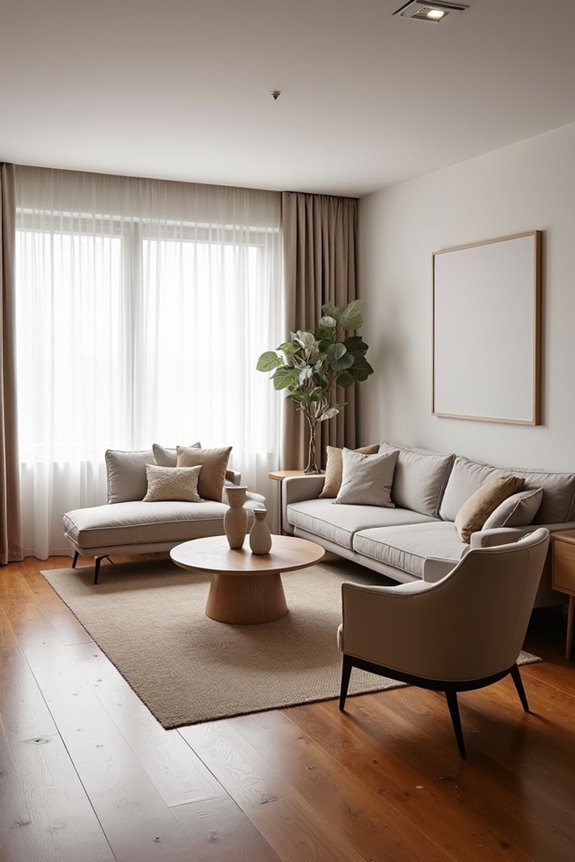
Once you’ve outgrown the standard 3.6 × 4.2 meter layout, a 4.5 × 5.5 meter room becomes your next practical option. This medium living room size gives you roughly 20–25 square meters of usable space. You’ll comfortably fit a sofa plus chairs without cramping your seating arrangement.
Your circulation space matters here. Maintain 80–100 cm walkways and 40–50 cm spacing between your coffee table and seating. This spacing keeps movement natural and prevents your layout from feeling cluttered.
Ceiling height enhances this footprint substantially. Standard 8–9 ft (2.4–2.7 m) ceilings work well, though taller heights increase perceived spaciousness. This medium living room dimension supports multiple functional zones while preserving clear pathways throughout your space.
Larger Living Rooms: 5.4 × 6.0 Meters for Multiple Activity Zones
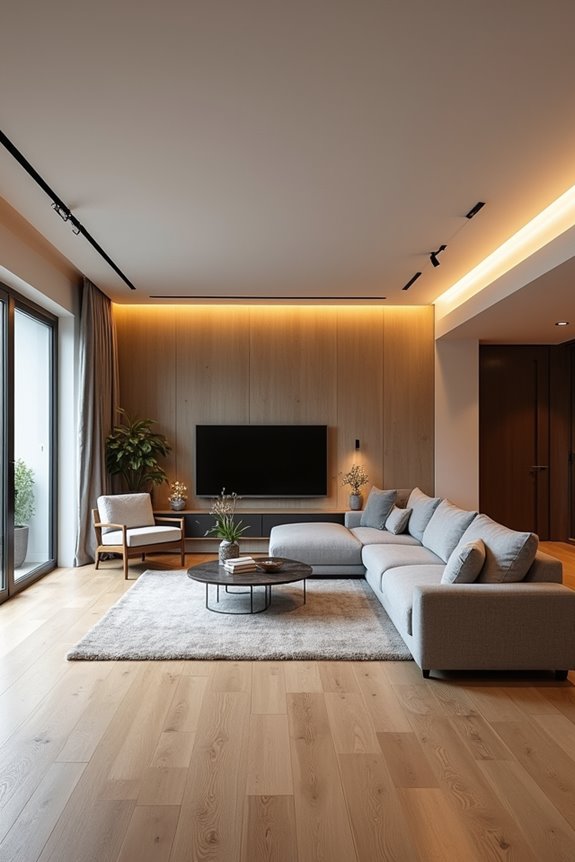
How do you organize 32.4 square meters into distinct, functional spaces without sacrificing comfort? This larger living room size accommodates three separate zones effectively.
Zone Planning Strategy
You’ll create a social seating area, media zone, and work nook within one cohesive room. Each activity zone functions independently yet connects naturally.
Furniture Layout Essentials
At 5.4 meters wide, you can position a standard sofa set comfortably. Maintain 80–100 centimeters of walking circulation around all furniture pieces. This spacing prevents crowding while supporting natural movement patterns.
Design Considerations
The rectangular dimensions work well with standard tile grids. You’ll achieve orderly layouts with minimal cutting. Balance ceiling height and furniture scale appropriately—this prevents the space from feeling disproportionate or overwhelming.
Why 60 Cm Increments Matter: the Tiling Advantage Explained
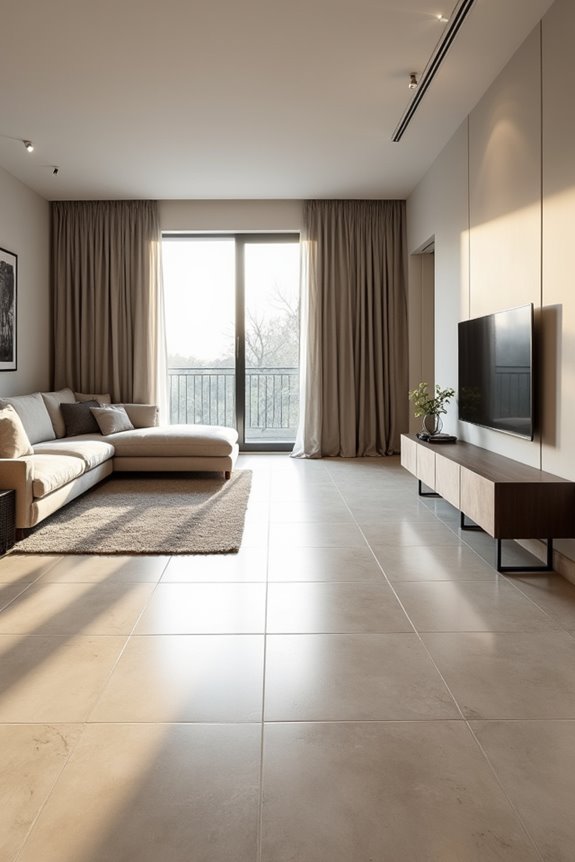
Standard tile sizes align perfectly with room dimensions measured in 60-centimeter increments. Modular sizing reduces custom cuts considerably. When you design rectangular layouts using 60 cm steps, several practical benefits emerge:
Waste Minimization and Cost Savings
Moving in 60 cm steps minimizes leftover tile pieces, directly lowering material costs through consistent cut sizes.
Moving in 60 cm steps maintains consistent cut sizes across your entire floor plan. You minimize leftover tile pieces that contractors typically discard. This approach directly lowers material costs.
Stock Alignment Benefits
Architects reference tile grids when planning room dimensions. You gain access to standard inventory readily available from suppliers. Your project timeline improves because special orders become unnecessary.
Professional Results
You maintain neat, repeatable grout lines throughout your living space. The alignment between tile grids and architectural plans creates visually cohesive rooms that appear deliberately designed and professionally executed.
Choosing Your Size: Apartments, Family Homes, and Luxury Layouts
What living room size actually fits your lifestyle? Your space needs depend on how you’ll use your room layout and what activities matter most.
Consider these three living room size categories:
- Apartment living room (170–215 sq ft): Emphasizes multifunctionality through smart zoning and scaled furniture
- Family home living room (270–320 sq ft): Accommodates multiple activities with dedicated zones for various uses
- Luxury living room (350+ sq ft): Features open-plan concepts with ceiling height of 10+ feet
Your apartment living room requires strategic furniture placement. Family home living room designs support varied gatherings. Luxury living room layouts prioritize openness and verticality. Higher ceiling height creates perceived spaciousness regardless of square footage. Match your living room size to your household’s daily activities and traffic patterns for optimal comfort and functionality.